
How Fleet Vehicles Benefit From Scheduled Brake Inspections
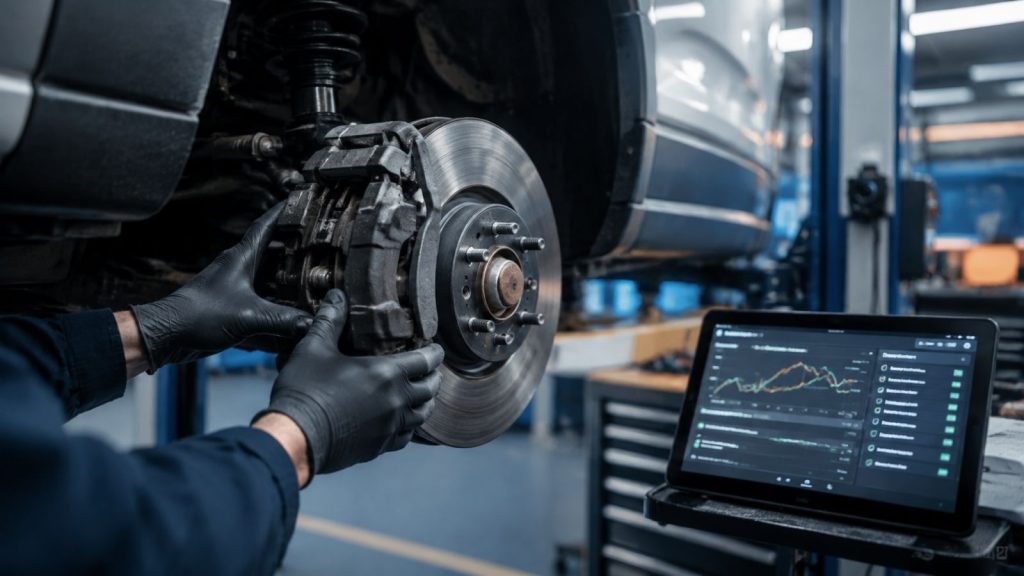
Scheduled brake inspections turn fleet brake problems from surprises into planned maintenance. Because work vehicles run hard and on predictable routes, their brake wear follows patterns you can track. Regular inspections catch that wear early, so a vehicle comes in on your schedule instead of breaking down on a job. For a fleet, that protects […]
Northwest San Antonio Driving Patterns That Affect Brake Wear
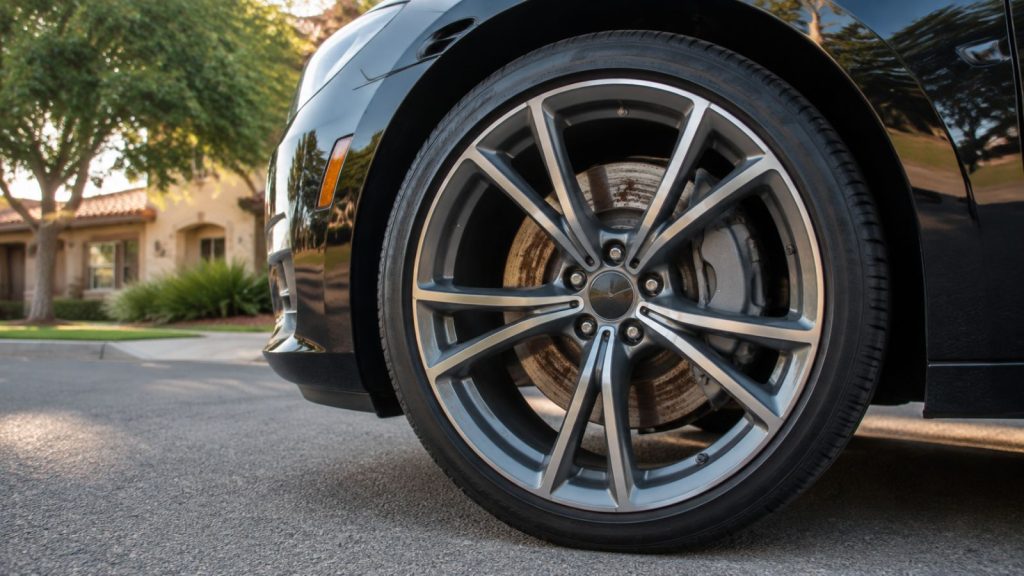
Brakes wear based on how you brake, not just how many miles you drive. In Northwest San Antonio, stop-and-go neighborhood traffic, heavy Loop 410 and 1604 commuting, summer heat, and hilly stretches all add braking events and heat. Two cars with the same mileage can wear very differently. That is why we tie brake inspection […]
How Suspension Problems Can Create Brake Complaints
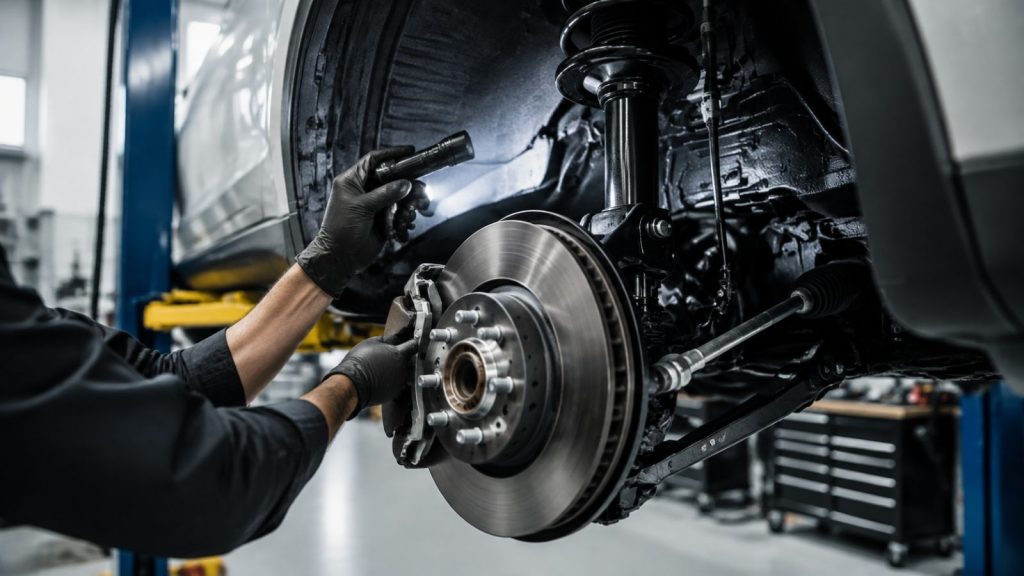
Your brakes do not work alone. They rely on the suspension, steering, tires, and alignment to put stopping force to the road, so when those parts wear, they can create shaking, pulling, clunks, or unstable stops that feel exactly like brake problems. That is why replacing brake parts alone does not always fix the complaint, […]
Fleet Brake Repair Decisions Based on Vehicle Usage
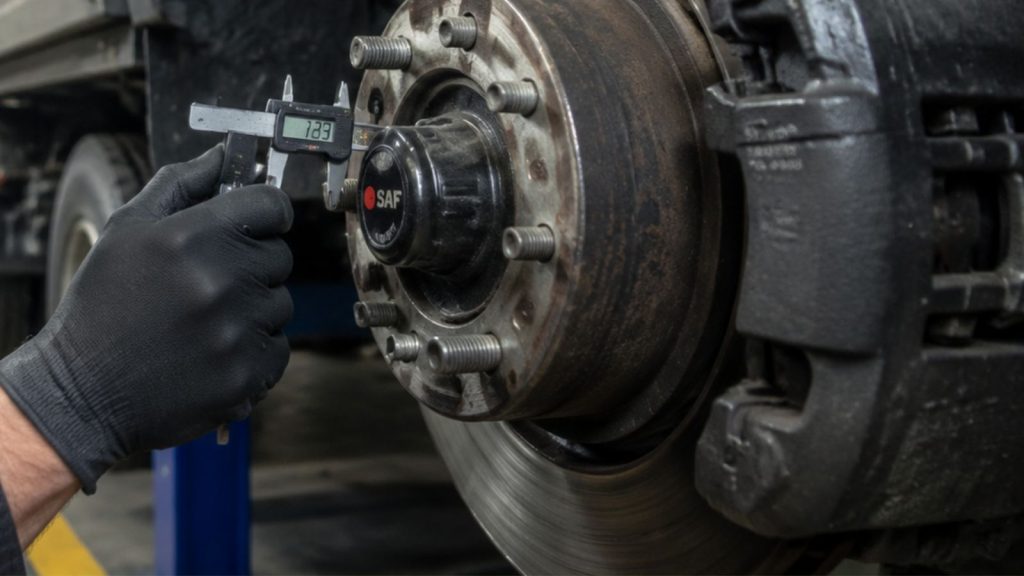
For a fleet, mileage is a weak way to decide brake repairs. A loaded truck running hilly stop-and-go routes wears brakes far faster than a light van on highway miles, even at the same odometer reading. That is why we base fleet brake decisions on how each vehicle is actually used, its weight, route, cargo, […]
How Heavy Rain Changes Brake Performance in San Antonio
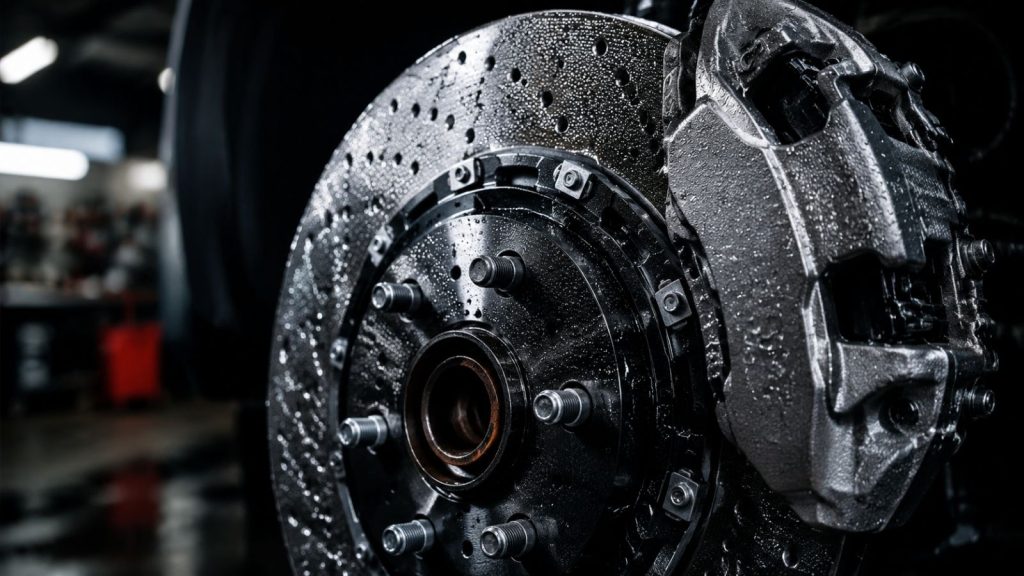
Heavy rain changes braking in normal ways. A thin film of water on the rotors can make the first stop feel slightly less sharp until the pads wipe it off, and wet roads cut tire traction. That much is expected. What we would want to look at is braking that stays off after the roads […]
Leon Valley Commuters and Stop-and-Go Brake Wear
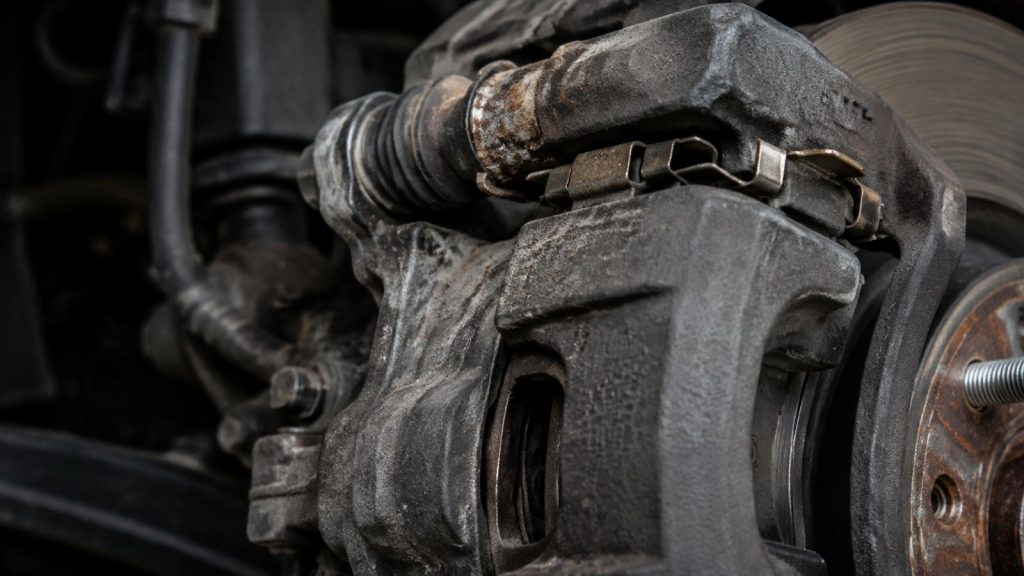
Short commutes can be surprisingly hard on brakes, and not from friction. When trips are short, the brakes never fully heat up and dry out, so moisture stays on the rotors and in the hardware. That promotes surface rust and corrosion, which shows up as noise, sticking, and uneven wear at low mileage. That is […]
How ABS Sensors Affect Modern Brake Performance
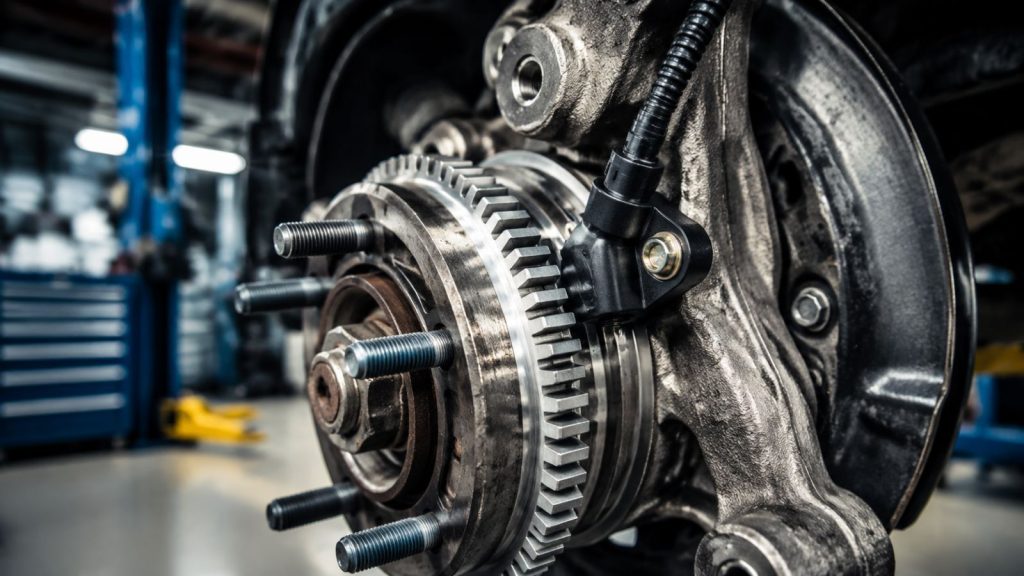
Wheel-speed sensors tell the ABS module how fast each wheel is turning. The module uses that data to prevent lockup during hard or slippery stops. When a sensor fails or sends a bad signal, the system usually shuts ABS off for safety, so the car still brakes but without anti-lock protection. That is why we […]
Complete Guide to Car AC Repair in San Antonio
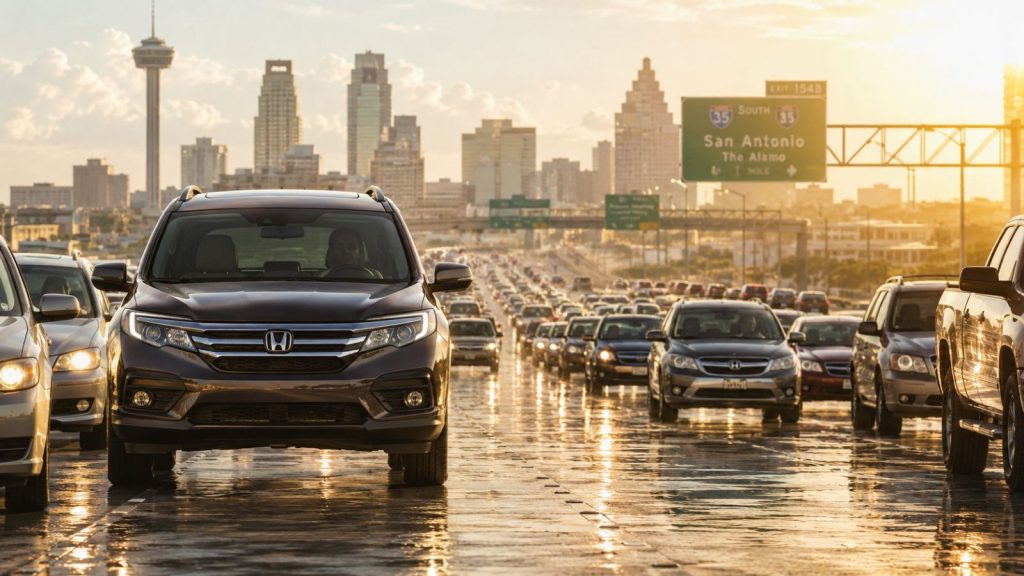
San Antonio summers put a specific kind of strain on a vehicle’s AC system that milder climates never see. Stop and go traffic on Loop 1604, sustained highway heat soak on Highway 281, and months of triple digit afternoons all push compressors, condensers, and refrigerant systems past what they were designed to comfortably handle. Ruben’s […]
Family SUV Brake Maintenance Around Alamo Ranch
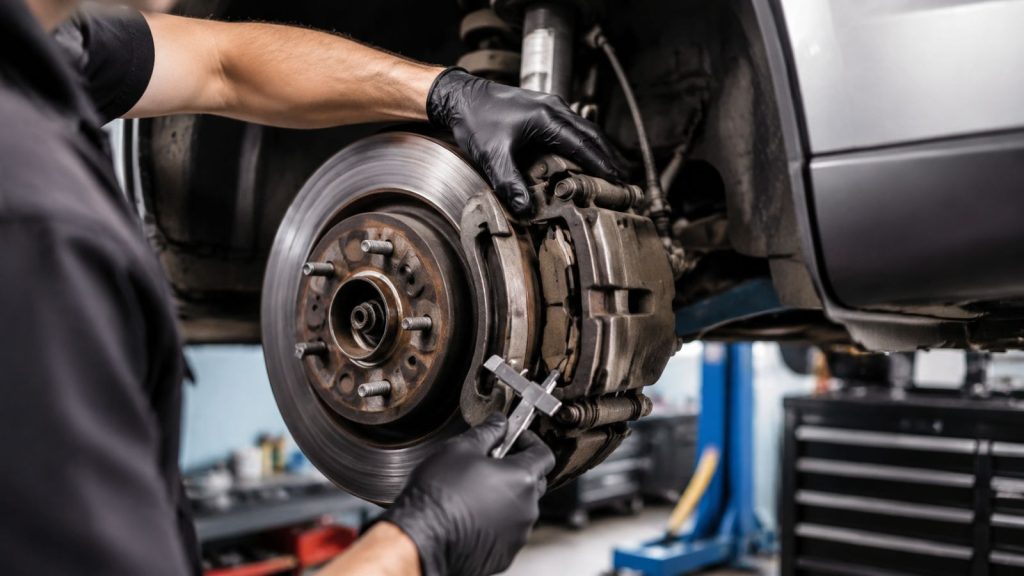
A family SUV asks more of its brakes than a small car does. It weighs more, and it often carries passengers and cargo, so every stop turns more energy into heat. That added load wears pads and rotors faster and works the calipers and fluid harder. That is why we lean on condition-based inspection for […]
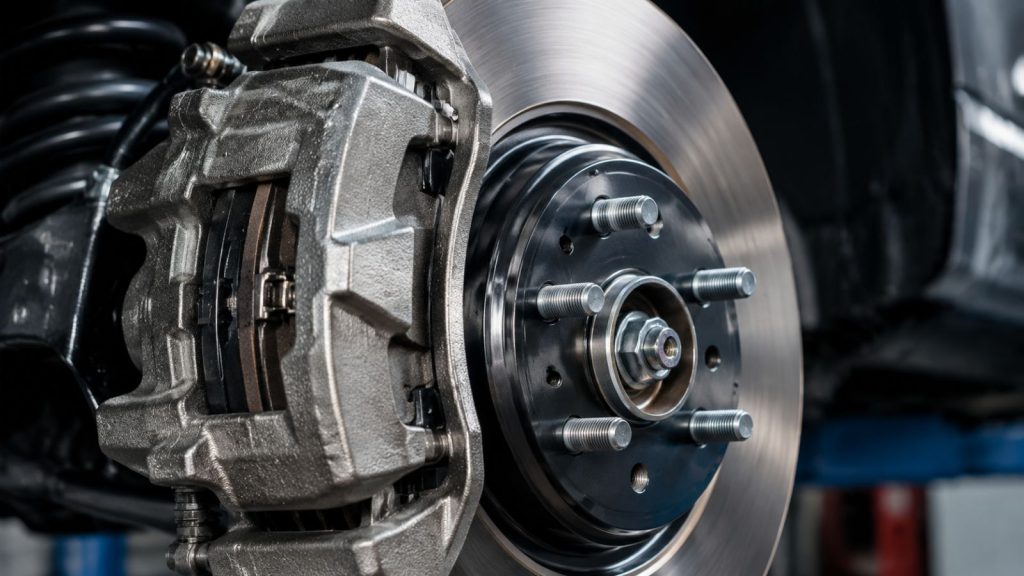
A brake inspection looks at the whole system, pads, rotors, calipers, hardware, fluid, and the warning systems, but a good one starts with how you drive. If your commute means constant merging and speed changes on Loop 1604, that shapes what your brakes go through. Knowing your own driving pattern and what you have noticed […]