
Why Brake Calipers Fail on High Mileage Vehicles
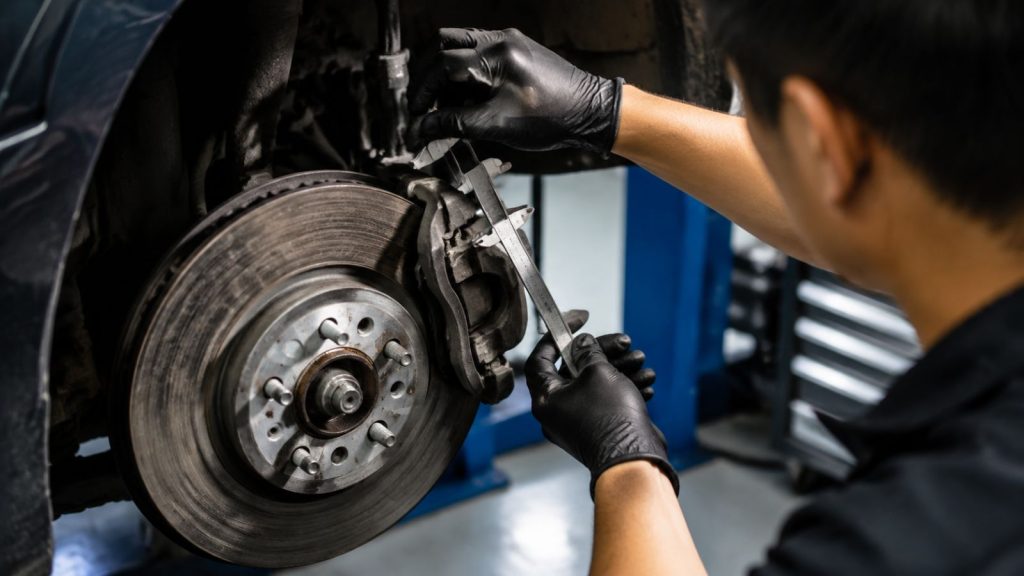
Brake calipers fail with age and mileage for a few common reasons, seized slide pins, a piston that no longer moves freely, torn dust boots that let in moisture, and worn internal seals. Any of these can make a caliper stick, drag, or leak. That is why we verify a caliper by checking how it […]
Brake Warning Lights and Electronic Testing Explained
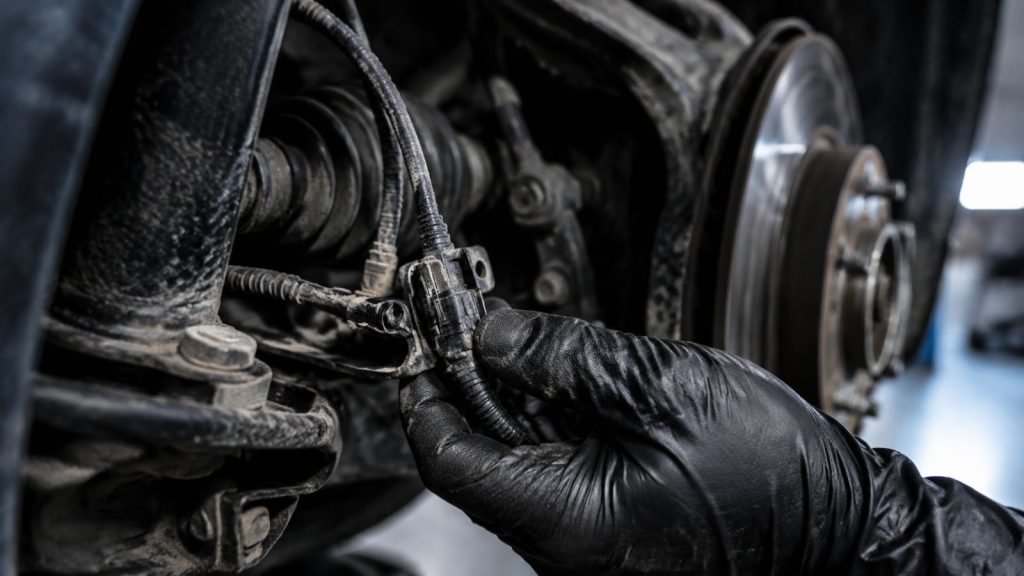
A brake warning light tells us the system found a problem, but it does not tell us which part failed. Modern brakes pair mechanical components with electronic monitoring, so the light could mean low fluid, a worn-pad sensor, or an ABS or wheel-speed sensor fault. That is why we scan for the stored fault data […]
What Uneven Brake Pad Wear Reveals About Your Vehicle
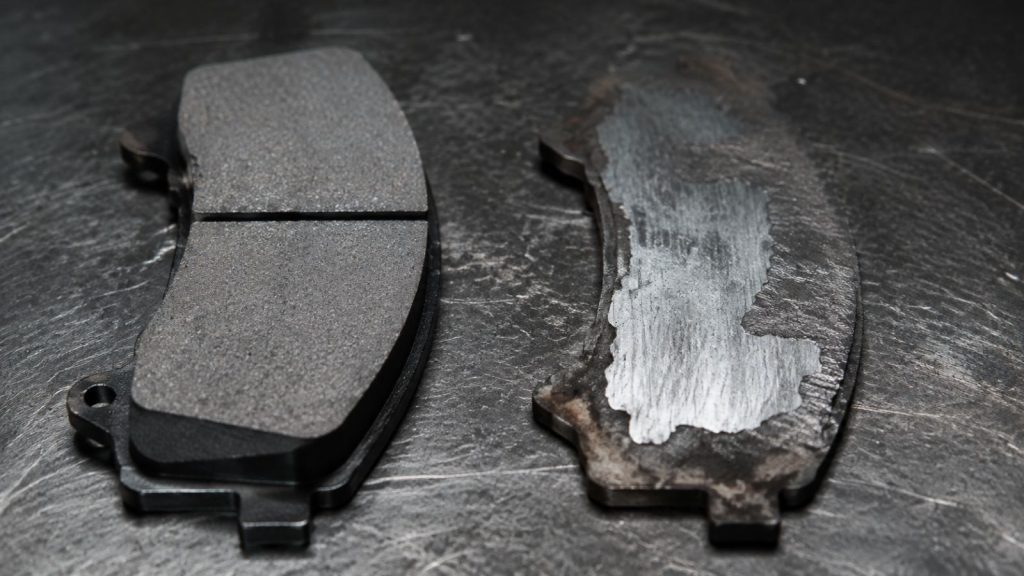
Uneven brake pad wear is a symptom, not the root problem. When one pad wears faster than its partner, or the inner wears differently than the outer, the pad is usually pointing at something else, a sticking caliper, seized slide pins, dry hardware, or a hydraulic imbalance. That is why we read the pads as […]
Why a Vehicle Pulls When Braking and How Its Tested
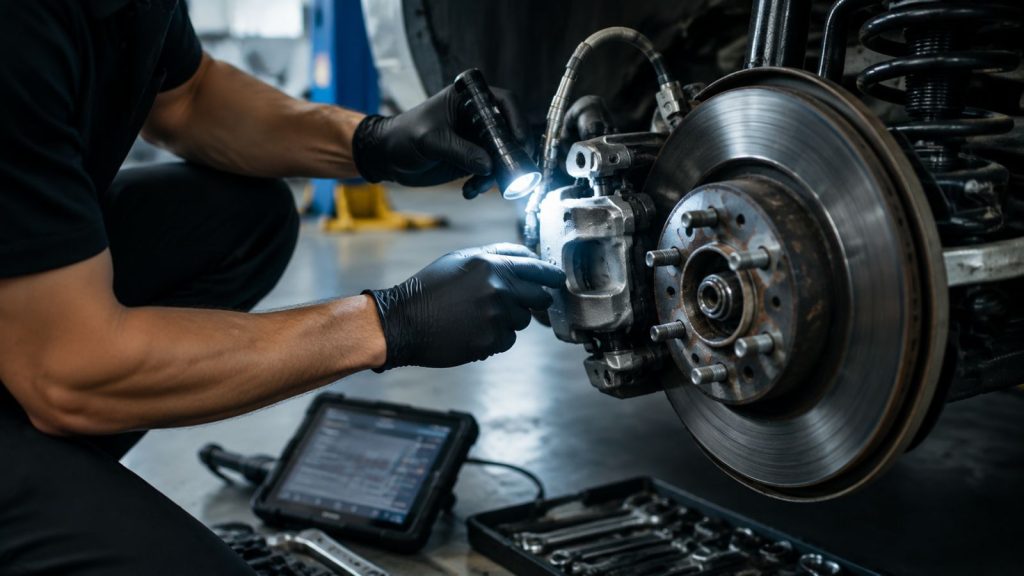
A vehicle that pulls to one side when braking is telling us the two sides are not braking evenly. That can come from a sticking caliper, a restricted brake hose, uneven pads, a tire or pressure difference, or an alignment issue. The direction of the pull is a clue, not a diagnosis. We test each […]
What Causes Brake Pedal Vibration Besides Warped Rotors
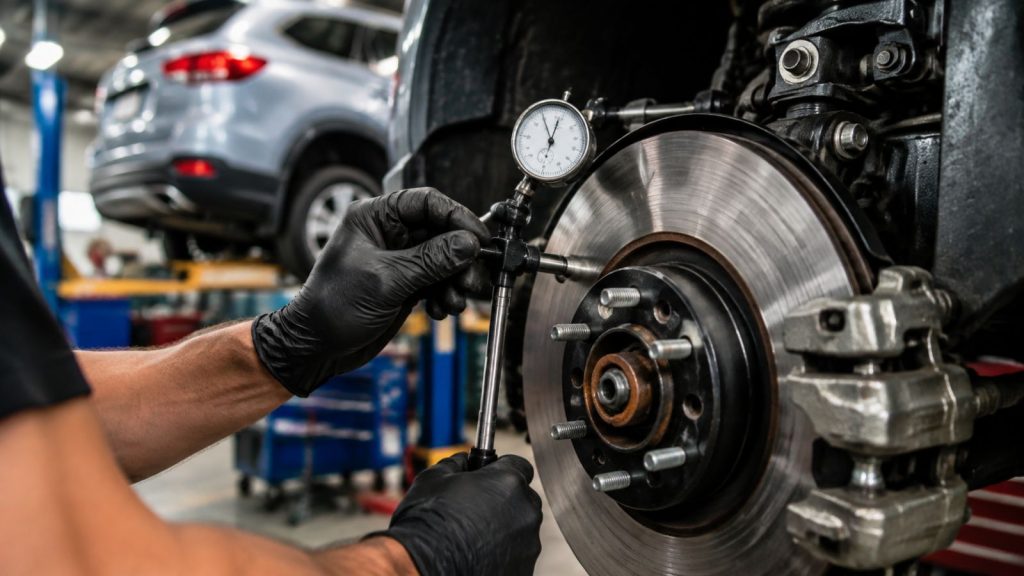
Warped rotors are a common cause of brake pedal vibration, but they are not the only one. Wheel bearings, tires, worn suspension parts, and alignment problems can all create a similar feel. That is why we do not condemn rotors on the symptom alone. We want to confirm where the vibration actually comes from before […]
Why San Antonio Heat Worsens Brake Fluid Problems
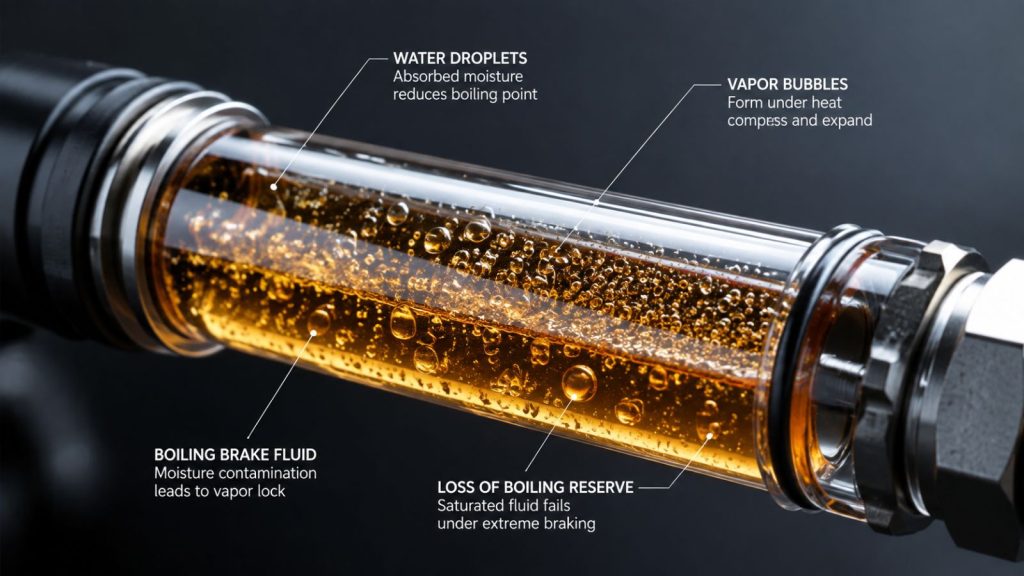
San Antonio heat by itself does not ruin brake fluid. The bigger issue is moisture. Brake fluid slowly absorbs water, and that lowers its boiling point. When your brakes generate their own heat in stop and go traffic, fluid that is already saturated can boil sooner. That is why we look at fluid conditions and […]
Understanding Subaru Repair Needs in San Antonio Heat
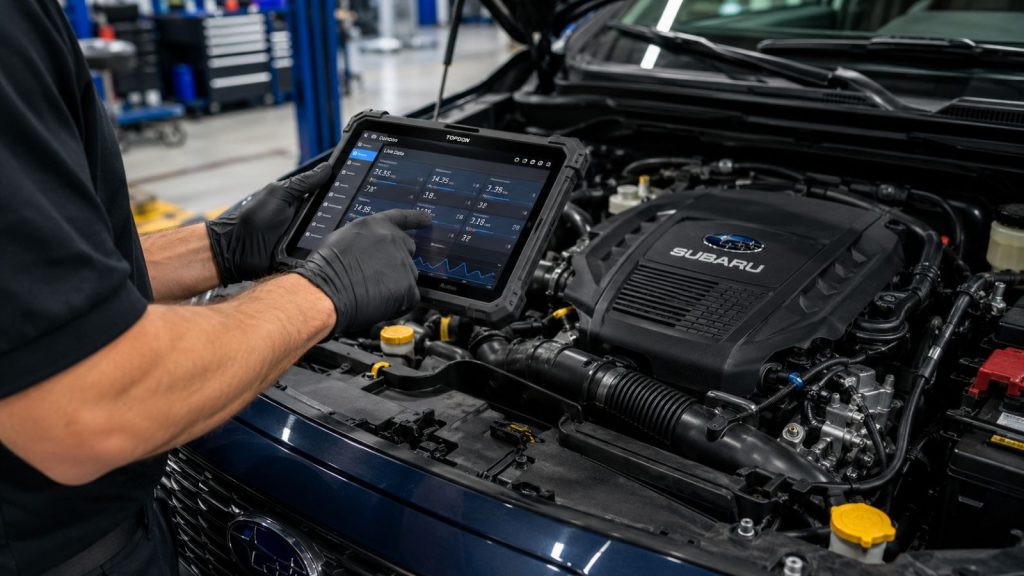
Subaru owners in San Antonio deal with a specific mix of stress on their vehicles. Sustained South Texas heat, stop and go traffic on corridors like Loop 1604 and Interstate 410, and suburban short trip driving in neighborhoods like Alamo Ranch all wear on a Subaru differently than they would in a milder climate. Ruben’s […]
Euro Make Touchless HVAC Sensor Failure Diagnosed San Antonio
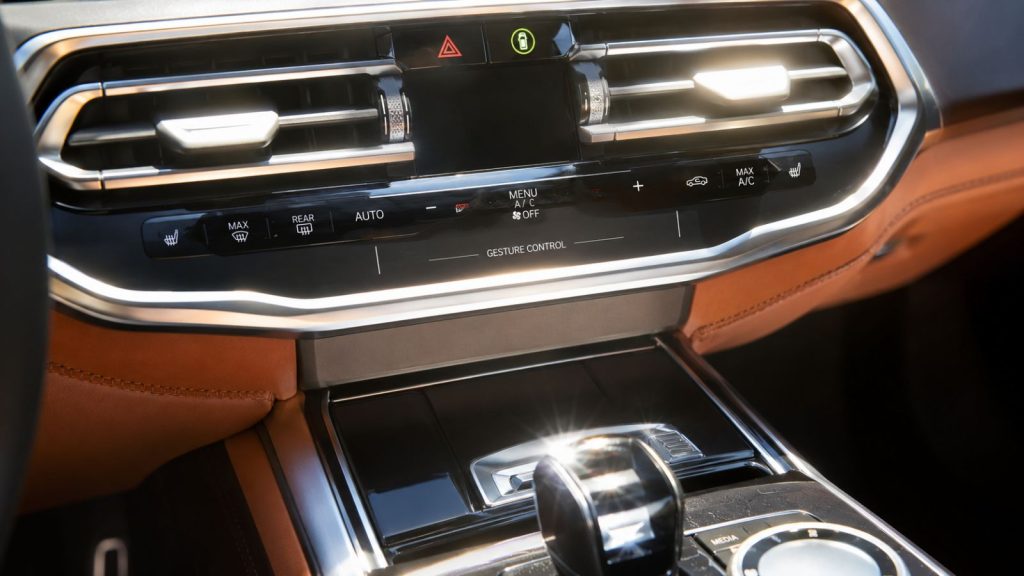
Touchless HVAC gesture interface failures on 2024 to 2026 BMW, Mercedes-Benz, and Audi platforms trace to four distinct failure pathways: IR proximity sensor signal loss, LIN bus communication dropout, thermal soak baseline drift, and supply voltage sag under compressor load. In San Antonio July heat, each pathway produces overlapping symptoms that require scan tool live […]
Cabin Preconditioning in San Antonio Heat Explained for Drivers
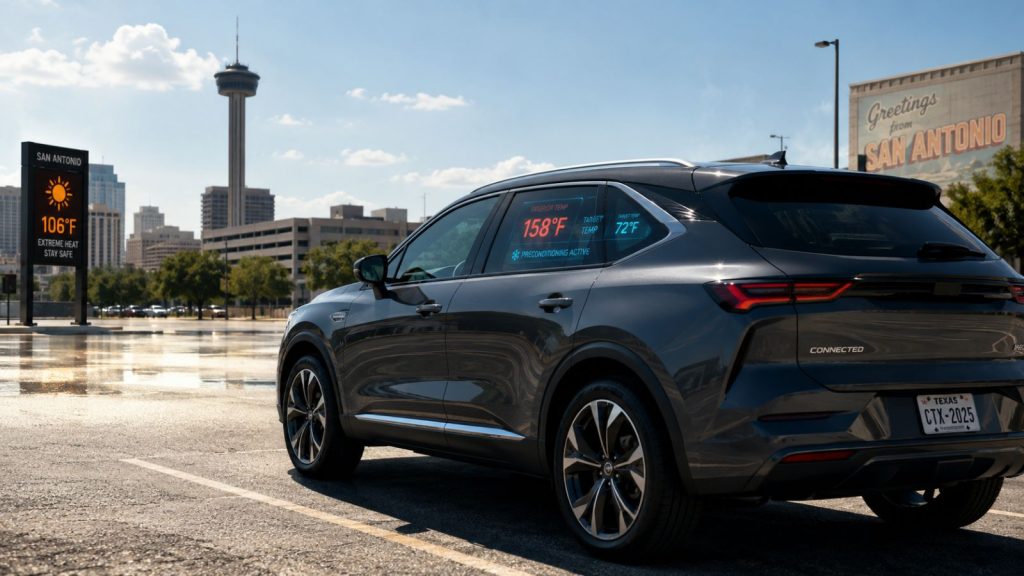
Scheduled cabin preconditioning on 2024 to 2026 connected vehicles targets a 70°F interior before driver entry. In San Antonio July ambient of 102°F to 108°F, a vehicle parked in direct sun reaches 145°F to 160°F inside within 60 minutes. A fully charged system needs 15 to 20 minutes to complete that pull-down. A borderline refrigerant […]
Real Time AWD Monitoring in Subaru Drivetrain Diagnostics
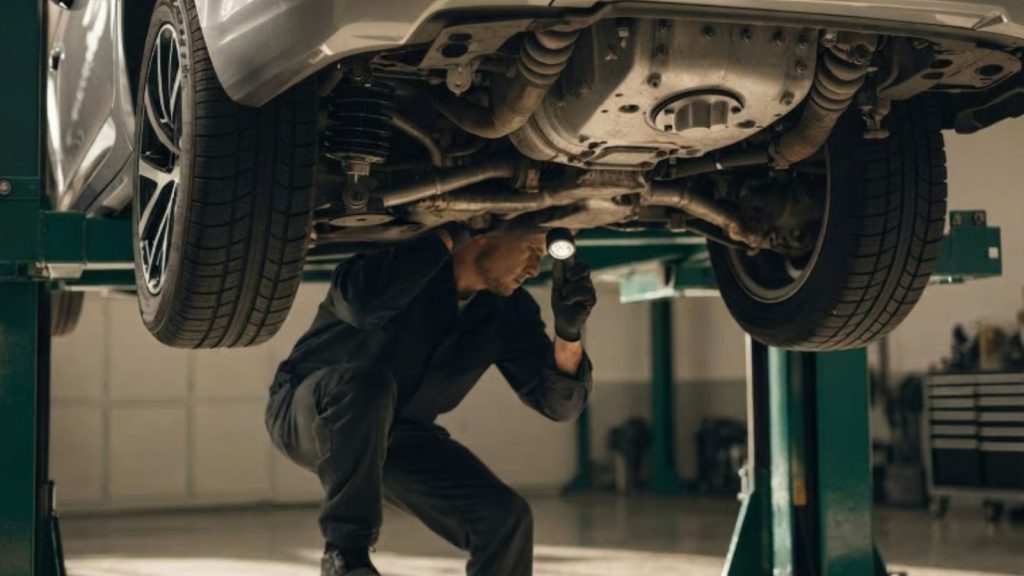
Symmetrical AWD holds a documented torque split range under normal driving, but real-time scan data reveals whether that distribution stays steady or drifts during an active drive cycle. Sustained heat exposure causes measurable drift compared to cold-start baseline. Testing while stationary only shows basic operation. It fails to catch the subtle slipping or drifting that […]