
Is a Preventive AC Inspection Worth It Before Peak Season

Preventive AC inspection before Loop 1604 peak traffic season offers a measurable return on investment, since emergency repairs during summer heat waves typically cost 30 to 50 percent more than the same repair scheduled calmly beforehand. Breakdown probability for systems with unaddressed marginal issues rises meaningfully once sustained summer heat begins. We get asked this […]
Why San Antonio Humidity Raises Leak Repair Costs
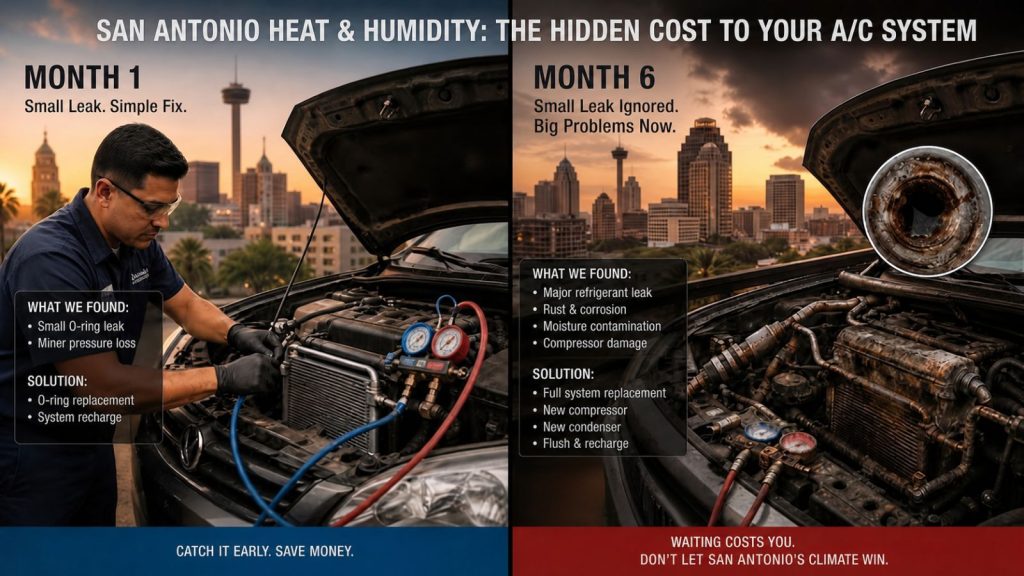
Slow refrigerant leaks escalate in cost faster in San Antonio than in drier climates, since humidity introduces moisture through the same opening refrigerant escapes from. Moisture contamination and compressor strain compound each other over months. A leak caught within the first month typically costs a fraction of the same leak left active for six months. […]
Thermal Imaging Detects HVAC Micro-Leaks in San Antonio Heat
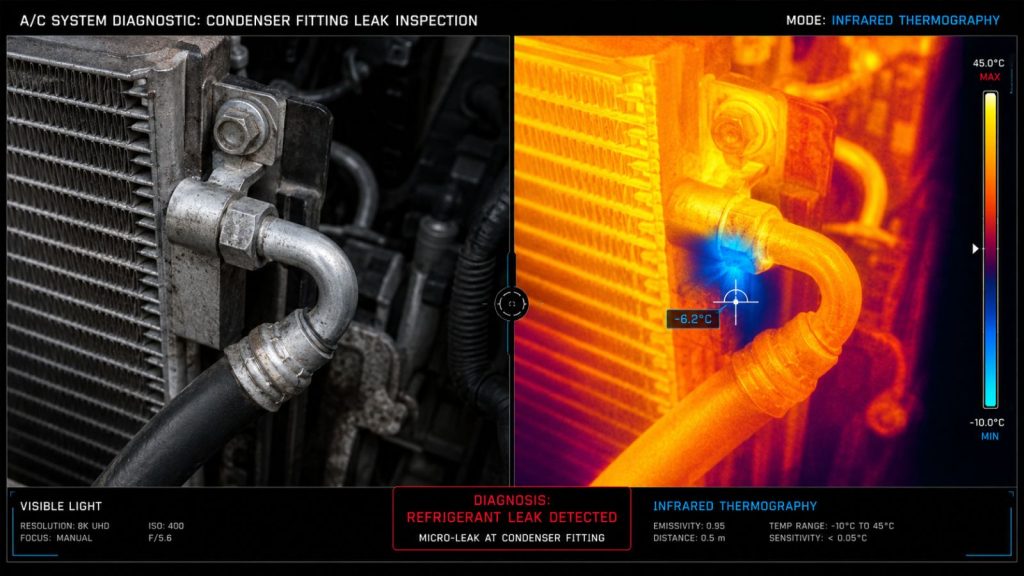
Automotive thermal imaging detects refrigerant micro-leaks and blend door seal failures using infrared temperature differentials. In San Antonio July heat, a 2 to 4 oz refrigerant loss raises evaporator outlet temperature 8°F to 14°F above baseline before pressure gauges register a fault. Infrared diagnostics confirm the failure source in a single visit, without UV dye […]
Why AC Failure Hurts Resale Value More in NW San Antonio
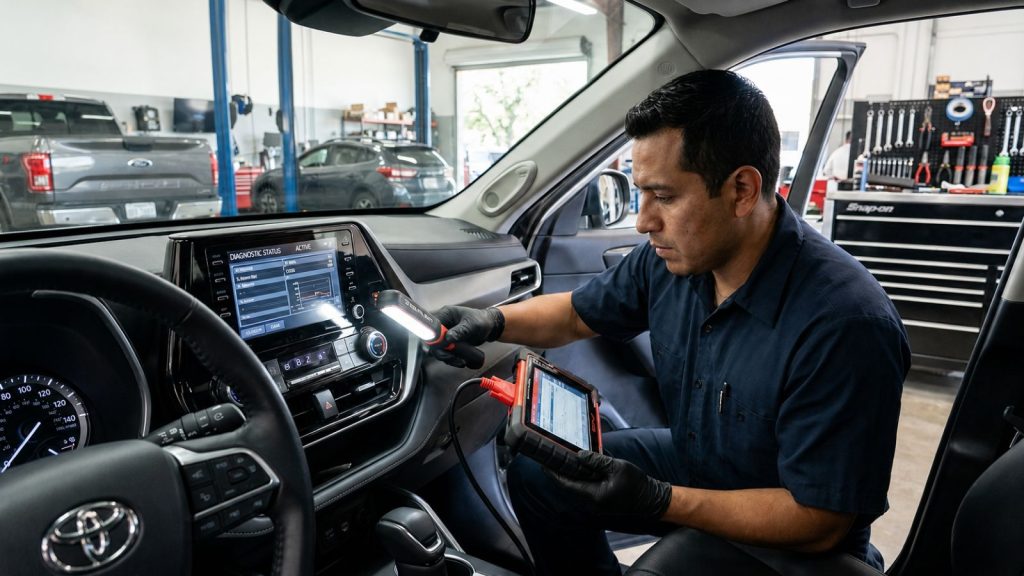
Non functional AC systems reduce resale value more significantly in Northwest San Antonio than in milder climates, since buyers plan around months of extreme heat commuting. Listings with AC issues typically see larger price discounts and longer time on market. A pre sale repair estimate usually costs less than the buyer discount an unrepaired issue […]
Loop 410 Idle Traffic Triggers AC Overheating
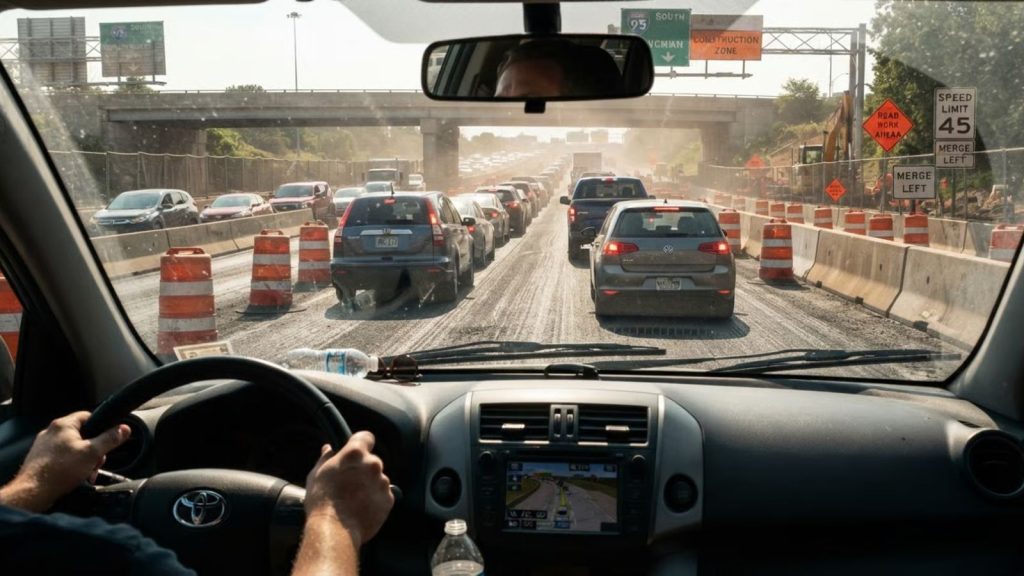
AC that weakens the longer you sit in Loop 410 West construction traffic points to compressor thermal overload from restricted airflow and extended idle. Barriers block airflow the fan needs while congestion stretches idle time well past normal. High side pressure past 300 psi or compressor temps above 250°F after 10 minutes confirms overload needing […]
Shavano Park Morning AC Lag From Overnight Heat Soak
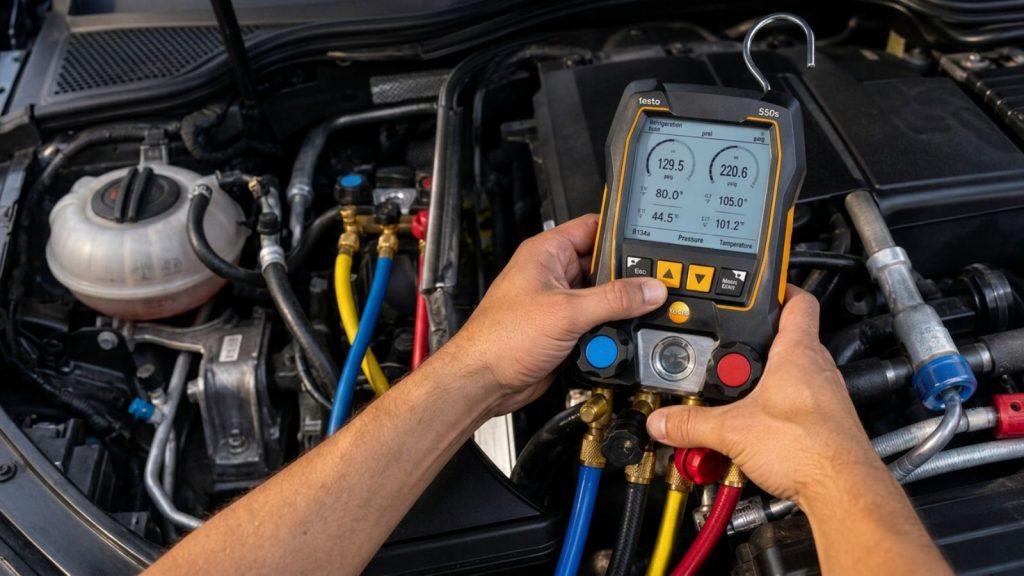
AC that takes noticeably longer to cool on the first Shavano Park drive of the day, but recovers fast later, points to elevated cold start heat baseline from overnight heat soak. A startup time past 9 to 10 minutes, or a gap more than double the midday restart time, signals inefficiency beyond normal heat soak […]
SeaWorld Area AC Odor Buildup From Coastal Humidity
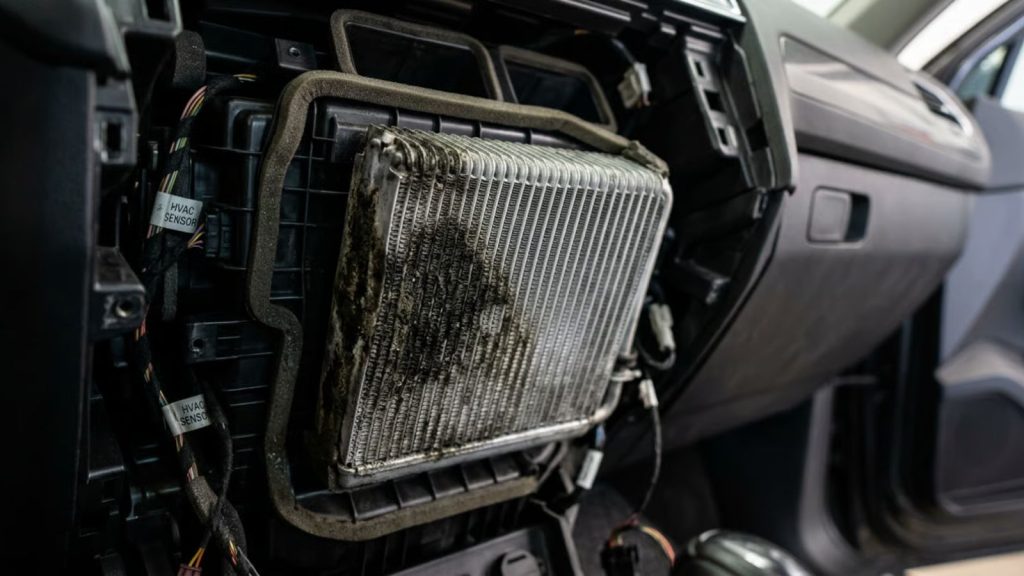
Musty AC odor on startup near SeaWorld San Antonio points to microbial growth on the evaporator surface, not a refrigerant issue. Coastal humidity combined with stagnant airflow during parking lets moisture sit on the coil long enough for mold and bacteria to colonize it. Discoloration past 15 to 20 percent of the coil surface, or […]
UTSA Commuter AC Inefficiency Short Trip Heat Cycles
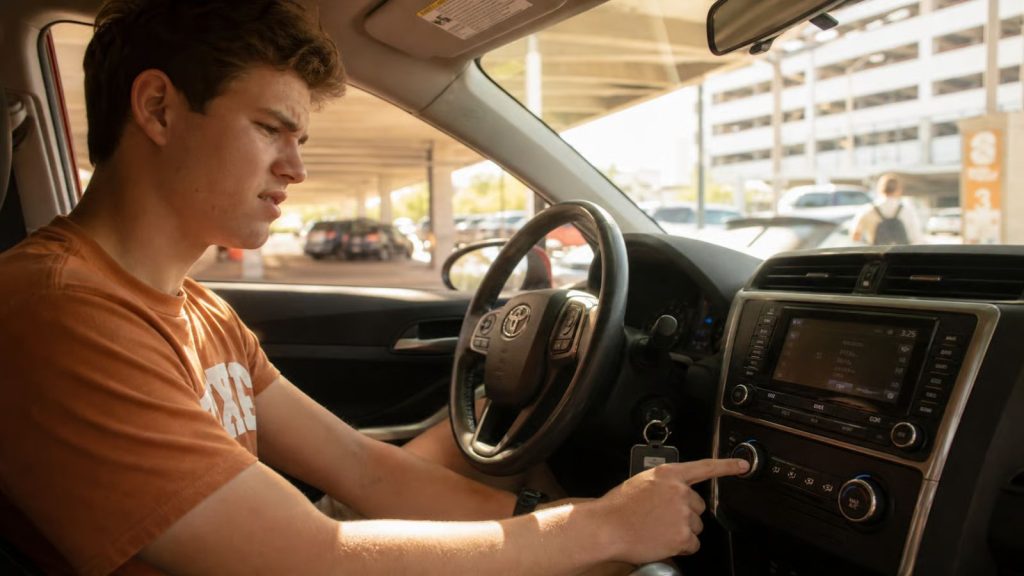
If your cabin never gets properly cold across a day of short UTSA trips, the culprit is usually restarting cycling, not a failing part. Each engine shutdown interrupts the compressor’s pressure climb before it reaches steady state, and parking lot heat soaks adds to the load on the next start. Four back to back short […]
SUV Cooling Delay Near The Rim and La Cantera

SUVs taking longer than usual to cool after retail parking near The Rim or La Cantera, especially with a full passenger load, point to reduced cooling capacity rather than a hot day being normal. A recovery time more than double the baseline, or times past 8 to 10 minutes under heavy heat soak, signals a […]
Fleet AC Wear From Culebra Road Delivery Routes
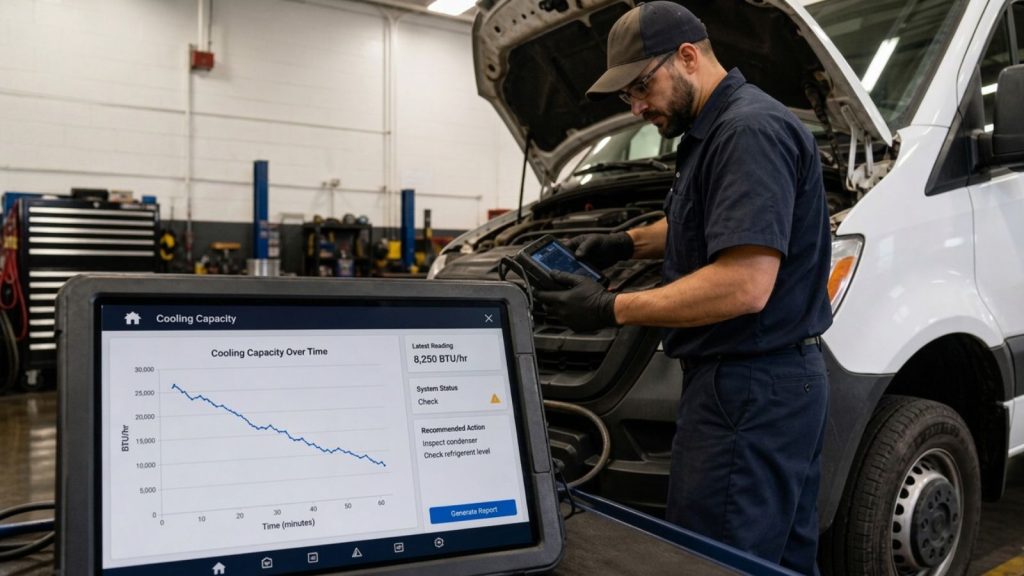
Fleet vehicles showing gradual cooling loss on Culebra Road delivery routes point to compressor fatigue from sustained duty cycle stress, not a single failure. Frequent stops and daily heat exposure push compressors past their rated rest cycle. Capacity below 85 percent of spec or a 3 to 5 degree vent temp rise over 90 days […]