
Subaru CVT Overheating on Highway 151 San Antonio
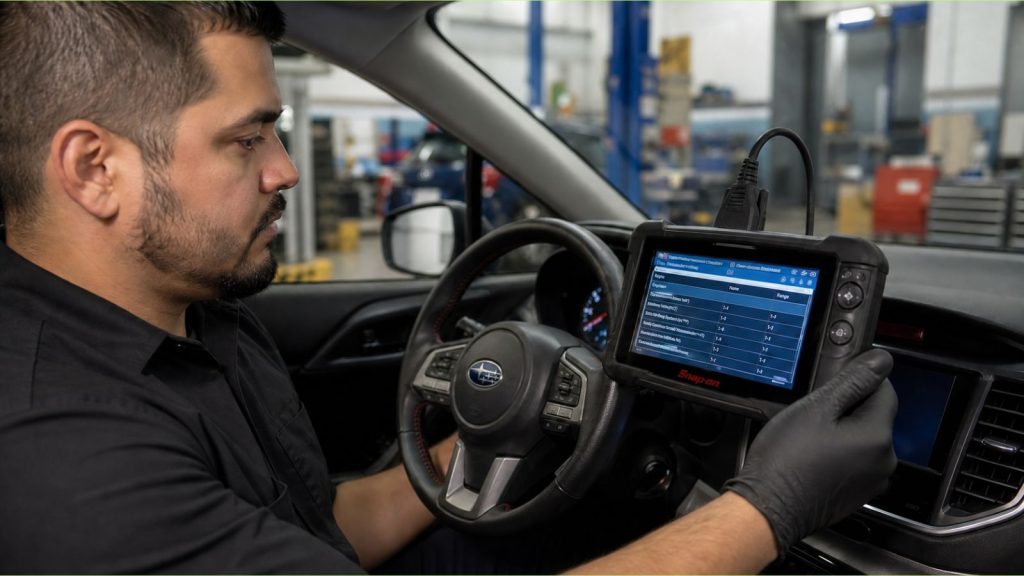
Subaru CVTs commuting through Highway 151 and Loop 410 congestion run 15 to 20°F above normal fluid temperature. Frequent throttle modulation and reduced airflow below 15 mph prevent proper cooling. Sustained heat accelerates fluid breakdown, sometimes appearing by 22,000 to 25,000 miles instead of the standard 30,000-mile interval, straining the belt and pulley system over […]
Digital HVAC Thermal Records San Antonio Drivers Can Track
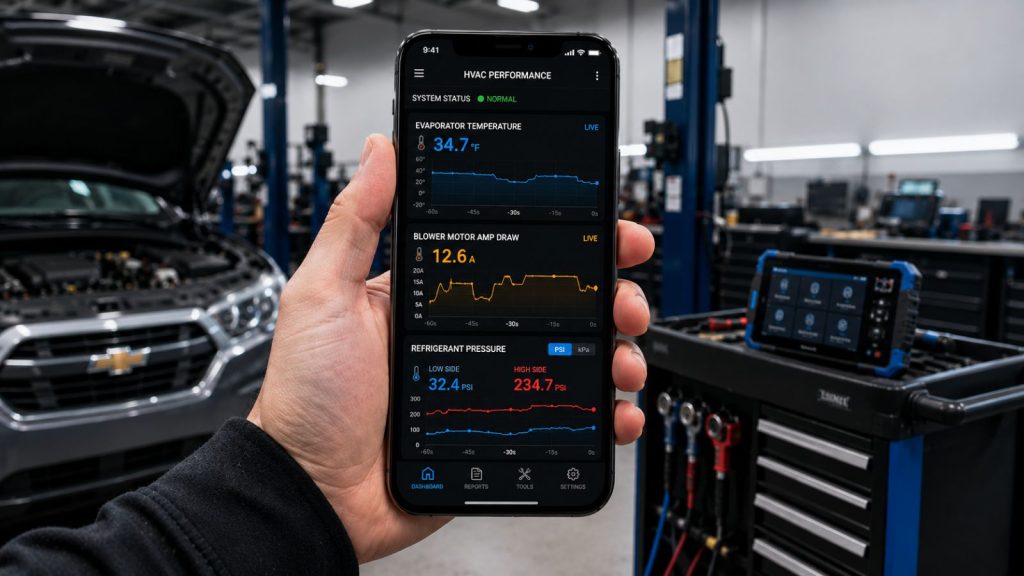
Digital HVAC service records capture evaporator outlet temperature, blower motor amp draw, cabin filter static pressure, and refrigerant charge at each visit. In San Antonio July heat, a documented baseline reading from a prior visit compresses diagnostic time and confirms system drift before the driver notices reduced cooling. What Does a Digital HVAC Service Record […]
Evaporator Freeze Cycles on UTSA Commuter Mixed Traffic
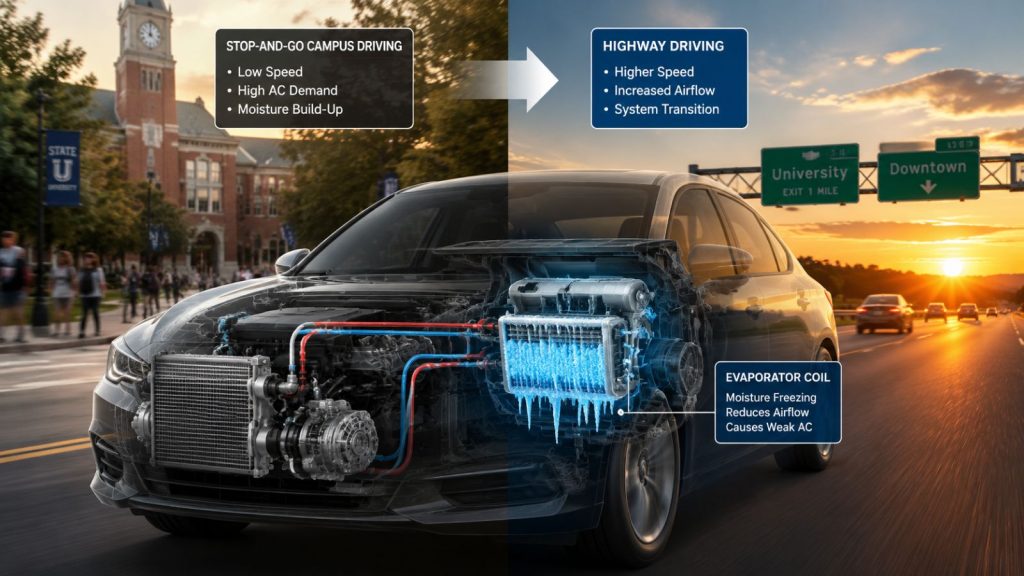
Airflow cutting out for several minutes then returning during UTSA commutes points to evaporator icing, not compressor failure. Mixed city and highway speed changes combined with humidity cause refrigerants to over expand, dropping coil temperature below freezing. Low side pressure under 20 psi or evaporator temp at or below 32°F confirms icing needing inspection. Your […]
Future Refrigerant Rules Impact On San Antonio AC Repair
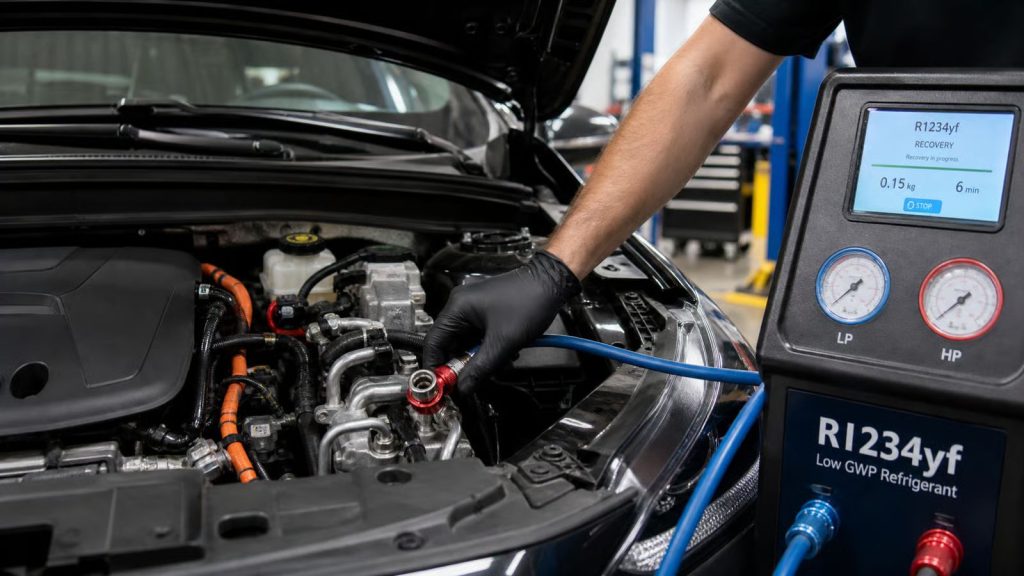
Federal refrigerant regulations are reshaping automotive AC repair nationwide. R134a is under a mandated phasedown while R1234yf has been required in new vehicles since 2021. San Antonio’s long cooling season means local shops and drivers feel this shift sooner, with recharge costs rising and equipment requirements changing for older vehicles still running R134a systems. We […]
Connected Vehicle Computing Optimizes AC for Texas Heat
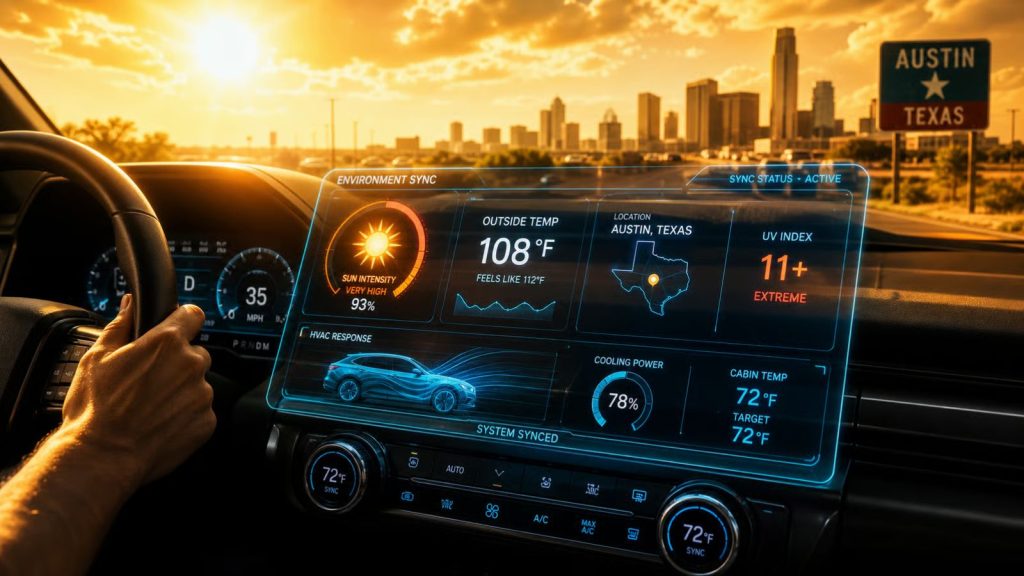
Traditional HVAC systems react to cabin temperature alone, without factoring in broader environmental data. Connected vehicle computing integrates real time weather and environmental data alongside cabin sensors to adjust compressor load and cooling proactively, particularly valuable in Texas extreme heat. Properly functioning systems typically show a 10 to 15 percent efficiency improvement over reactive only […]
Why Predictive AC Alerts Matter More on High Mileage Vehicles
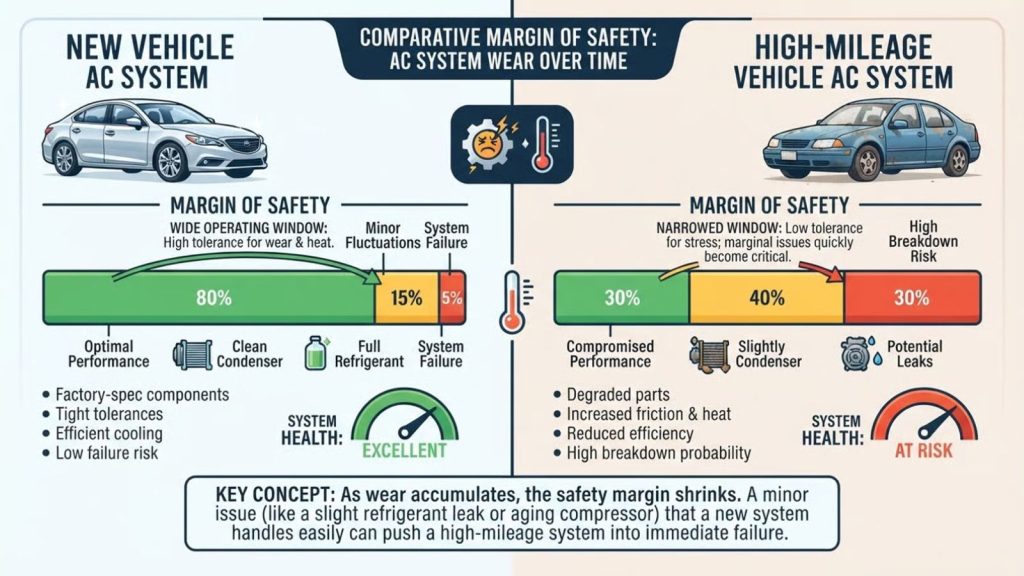
High mileage vehicles have less remaining margin before a marginal AC issue becomes an actual failure compared to newer vehicles. Machine learning models trained on historical failure data can recognize early warning patterns in compressor cycling and refrigerant efficiency that preceded failure in similar high mileage vehicles. A pattern match above 70 to 75 percent […]
Digital Service Records Make AC Diagnosis More Accurate
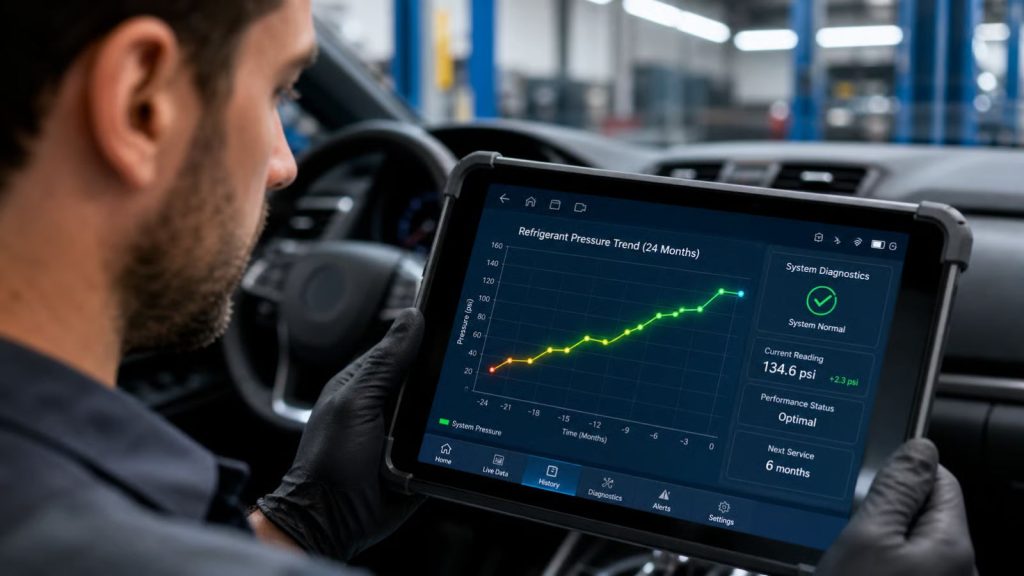
AC diagnosis traditionally relies on a single visit’s findings plus whatever the owner remembers or a paper file contains. Complete digital service records enable trend analysis of refrigerant charge, repair history, and component wear across a vehicle’s lifespan. This matters especially in San Antonio, where sustained heat accelerates wear on a predictable but only trackable […]
Adaptive HVAC Systems Handle Loop 1604 Stop and Go Traffic
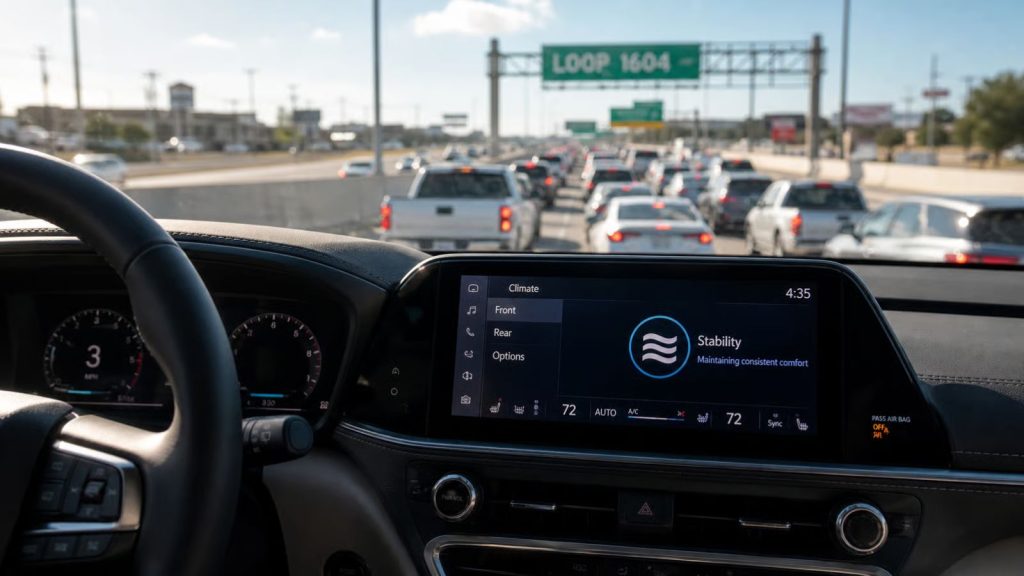
Traditional AC systems apply a relatively fixed cooling response regardless of driving conditions. Adaptive HVAC systems use real time sensor input, cabin temperature, engine load, and airflow data, to adjust compressor output and blend door position dynamically, which handles fluctuating conditions like Loop 1604 stop and go traffic more effectively than a fixed response. A […]
Telematics Reshapes Fleet AC Maintenance Scheduling
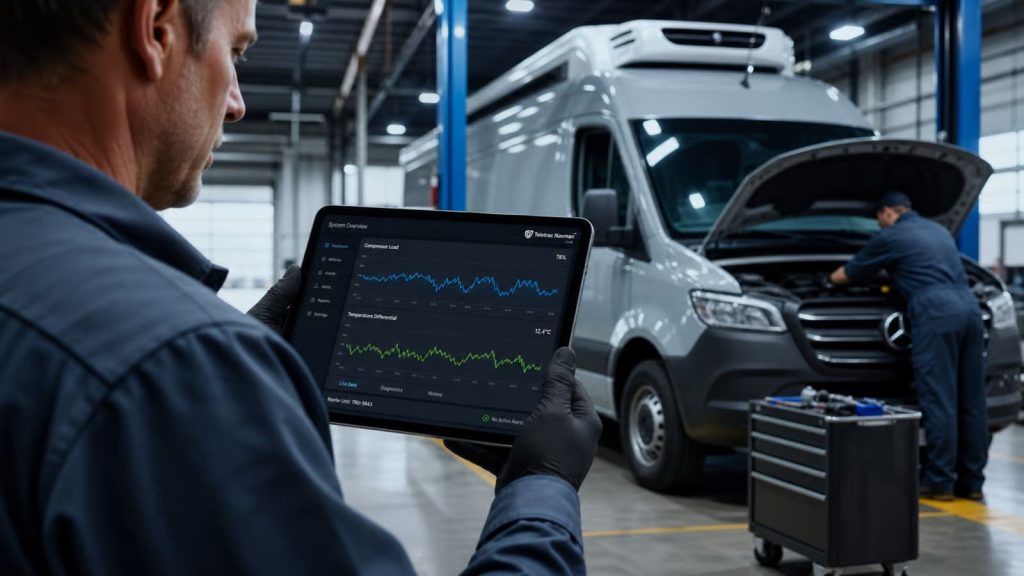
Fleet AC maintenance traditionally runs on a calendar, servicing every vehicle at the same interval regardless of actual condition. Telematics data tracking compressor load, cycling frequency, and temperature differential per vehicle is starting to replace that with condition based scheduling. A 10 to 15 percent shift in a vehicle’s own baseline over several weeks is […]
AI AC Failure Prediction For San Antonio Heat Cycles
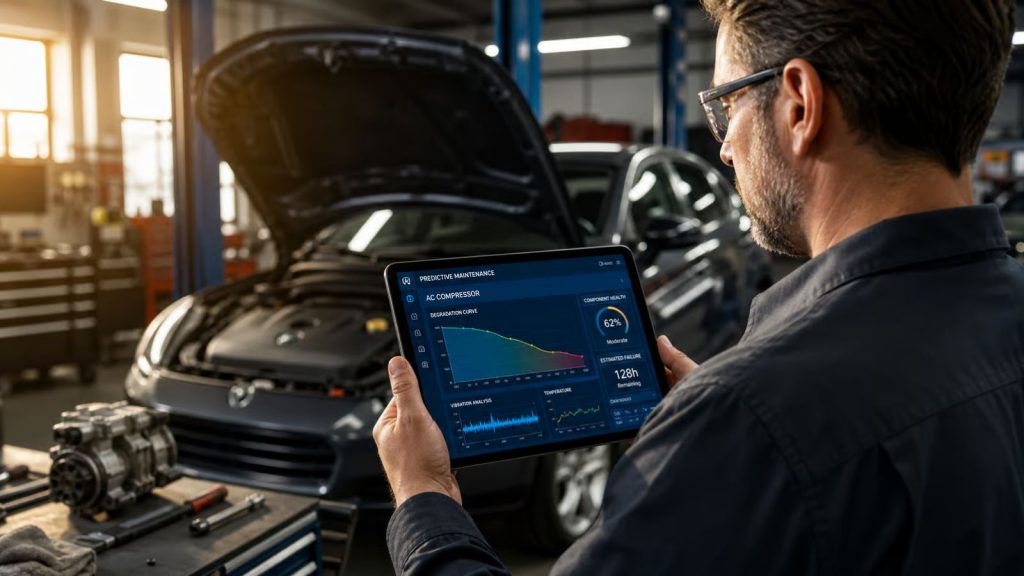
AI based predictive maintenance now tracks early AC system degradation before a full breakdown happens. In San Antonio’s repeated heat cycles, sensor data logs compressor strain, refrigerant pressure drift, and clutch engagement patterns over time. Shops use these trends to catch problems weeks ahead, preventing cascading damage and cutting repair costs significantly for drivers. We […]