
When to Schedule Subaru CVT Service to Avoid Big Repairs
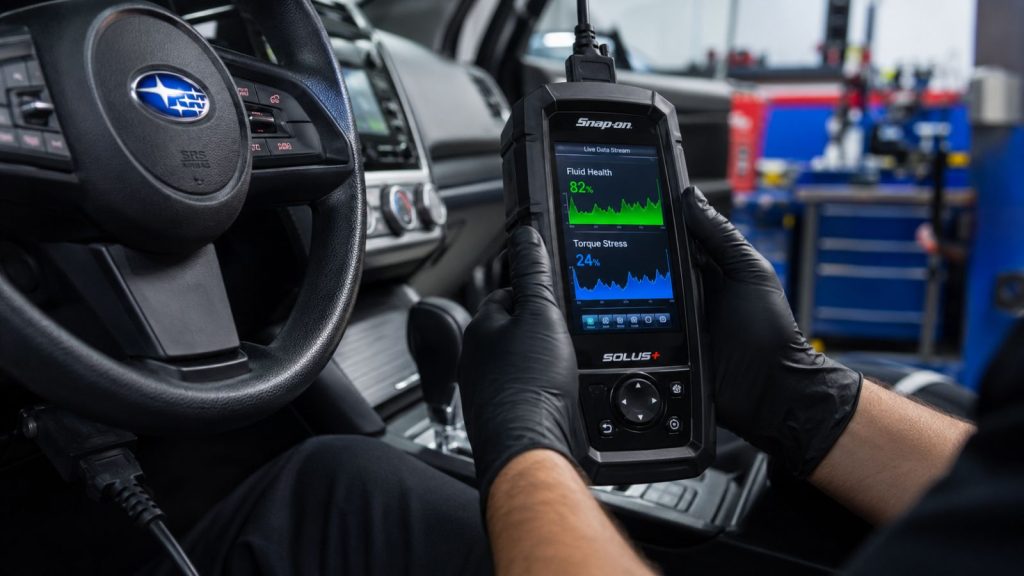
CVT fluid degrades gradually, and scan monitoring during scheduled service catches fluid and torque trend issues several thousand miles before symptoms appear. A scheduled service visit costs a small fraction of belt and pulley repair, which itself costs far less than full CVT replacement. Condition-based monitoring catches vehicles degrading faster than a fixed mileage interval […]
Subaru Cooling Repair Now vs. Engine Rebuild Later
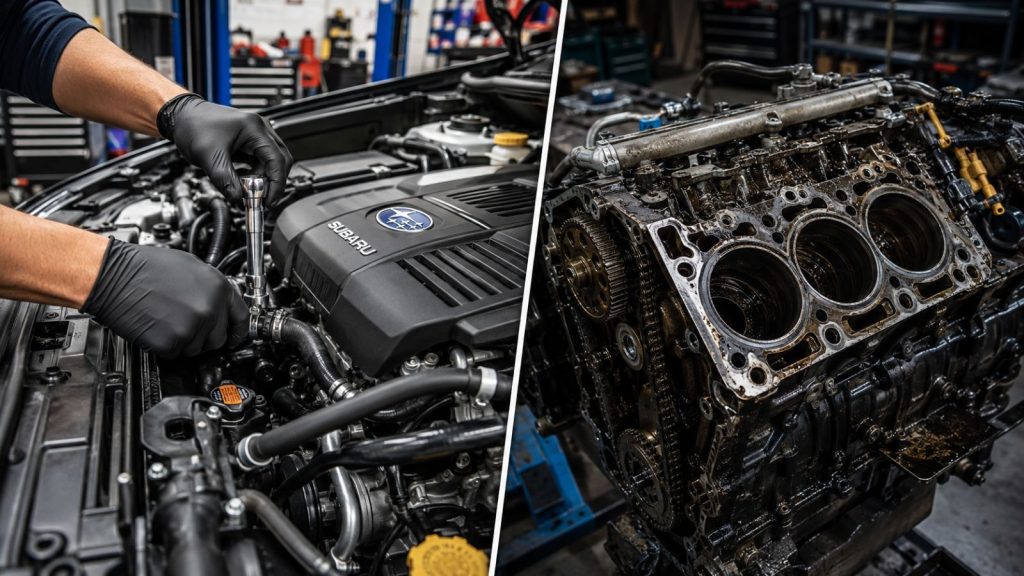
Catching a Subaru cooling issue early is much cheaper than paying for a full engine rebuild later. South Texas heat accelerates how fast a cooling issue moves from elevated to critical. Vehicles arriving with head gasket failure almost always have a documented earlier warning sign that went unaddressed while the vehicle still seemed to run […]
EV Heat Pump Systems Leon Valley Humidity Conditions Explained
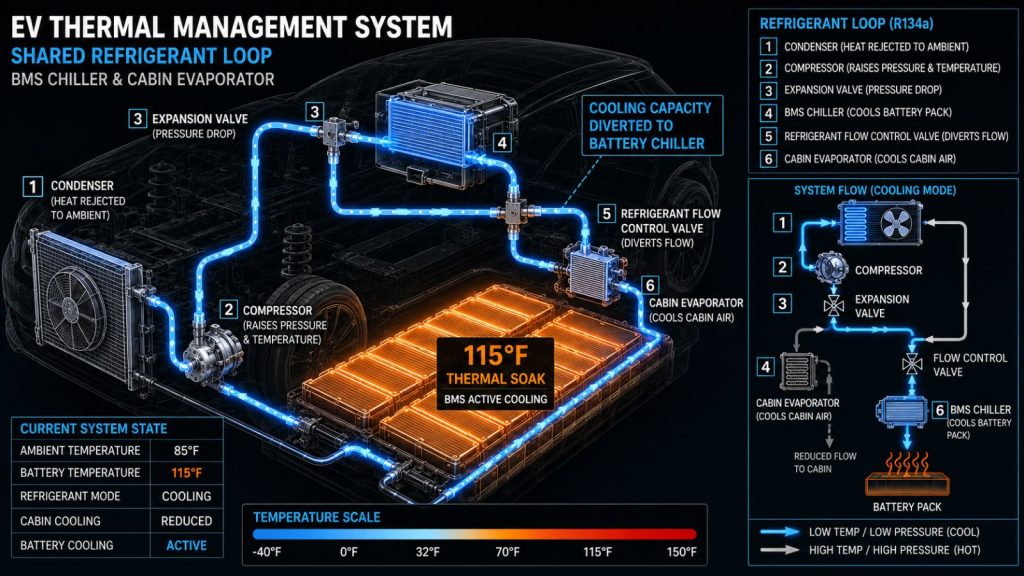
EV heat pump refrigerant loop switching valves manage pressure transitions between heating and cooling modes while sharing loop capacity with the BMS chiller circuit. In San Antonio July ambient of 102°F to 108°F, battery thermal soak triggers BMS chiller activation before the first drive cycle ends, reducing available cabin cooling capacity by 15% to 25% […]
Subaru Service Records That Preserve Resale Value
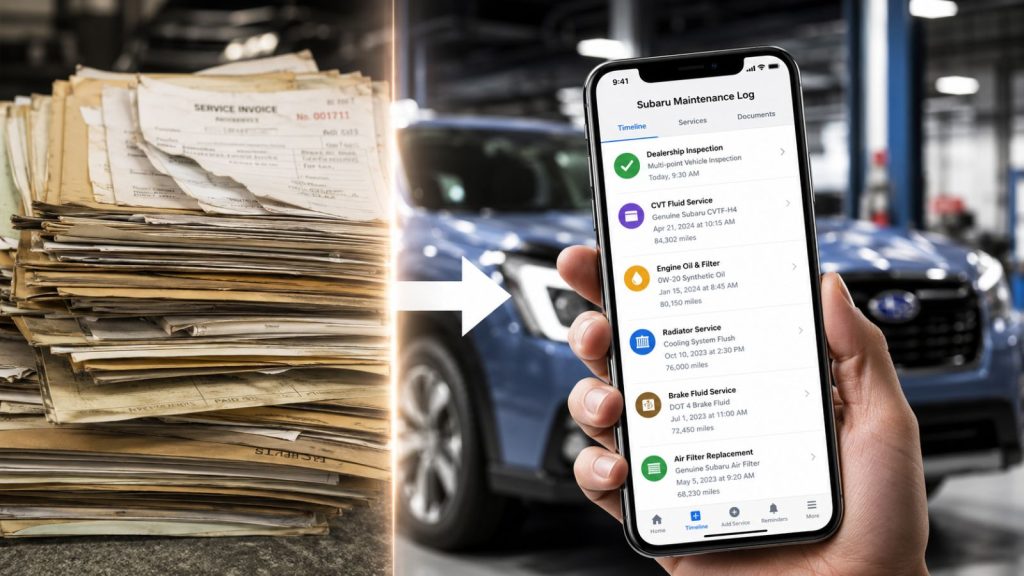
San Antonio car buyers stop haggling over prices when they see a complete digital repair log. Keeping these records helps you skip the usual back and forth during a sale. Dealership appraisers place measurable weight on consistent, dated records independent of mechanical condition. Digital records catch the small details that paper files usually miss. When […]
How to Prep Your Subaru for a Road Trip From Helotes
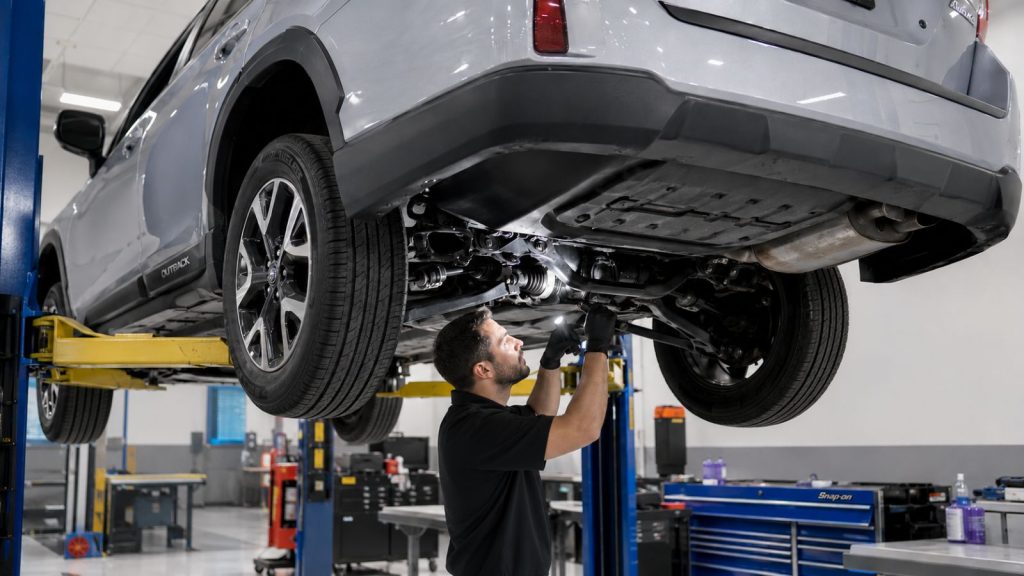
Before a Hill Country or long-distance highway trip, Helotes Subaru drivers should confirm brake pad margin, coolant system pressure, tire heat rating, and drivetrain condition. Sustained highway speed and heat test these systems differently than local driving does. A pressure test and drivetrain inspection catch issues before that a smooth local commute would never reveal. […]
Subaru A/C Performance Loss Near SeaWorld San Antonio
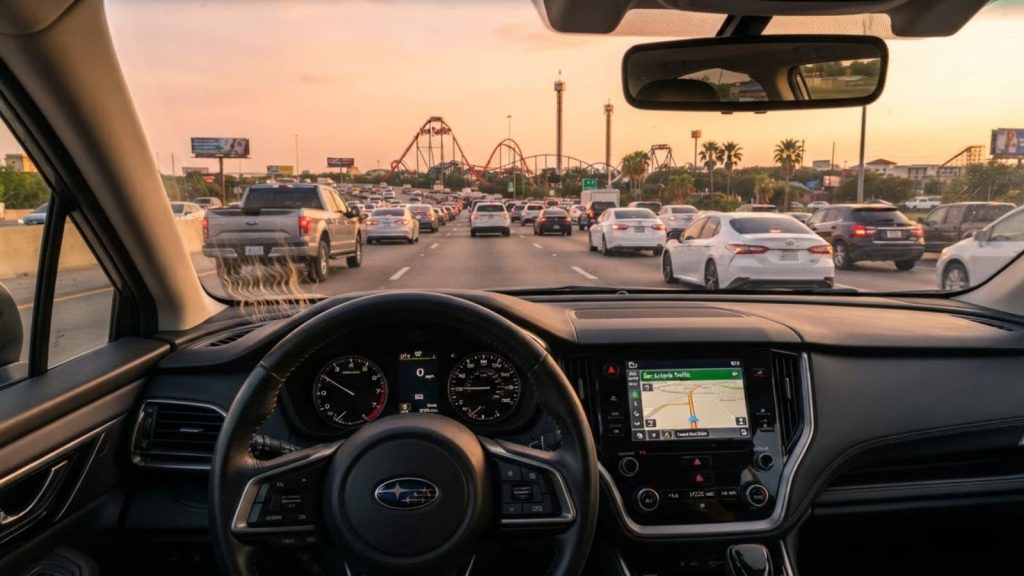
Sustained idle in the SeaWorld area summer congestion raises A/C compressor load and refrigerant pressure while reducing condenser airflow. Damp conditions strain the machinery because it has to strip water from the air while cooling. Vent temperature can measure several degrees above the expected range under this combined load, even with a properly charged system. […]
How to Maximize Subaru CVT Longevity Near Braun’s Farm
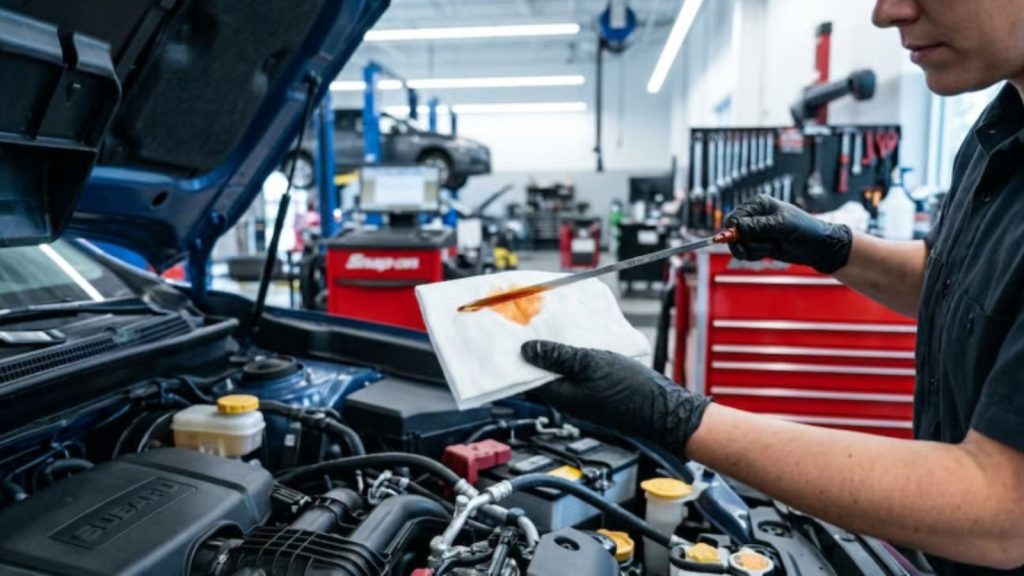
Braun’s Farm Subaru owners can extend CVT life through a proactive fluid interval of 22,000 to 25,000 miles, smoother throttle habits, and thermal load management on mixed suburban and highway trips. Aggressive acceleration raises fluid temperature measurably. Early warning signs, like subtle shudders at low speed, often show up on inspection before a driver notices […]
Subaru Maintenance Timing for Daily Loop 1604 Traffic

Daily Loop 1604 commuting produces a distinct combined wear signature across CVT, brakes, and cooling systems. Merge cycling raises rotor temperature nearly every trip, CVT fluid degrades faster than the standard 30,000-mile interval assumes, and cooling load compounds with South Texas summer heat. Ruben’s Auto Repair times combined inspections around this specific merge-heavy pattern. Why […]
How to Check Subaru AWD Before Government Canyon Trips
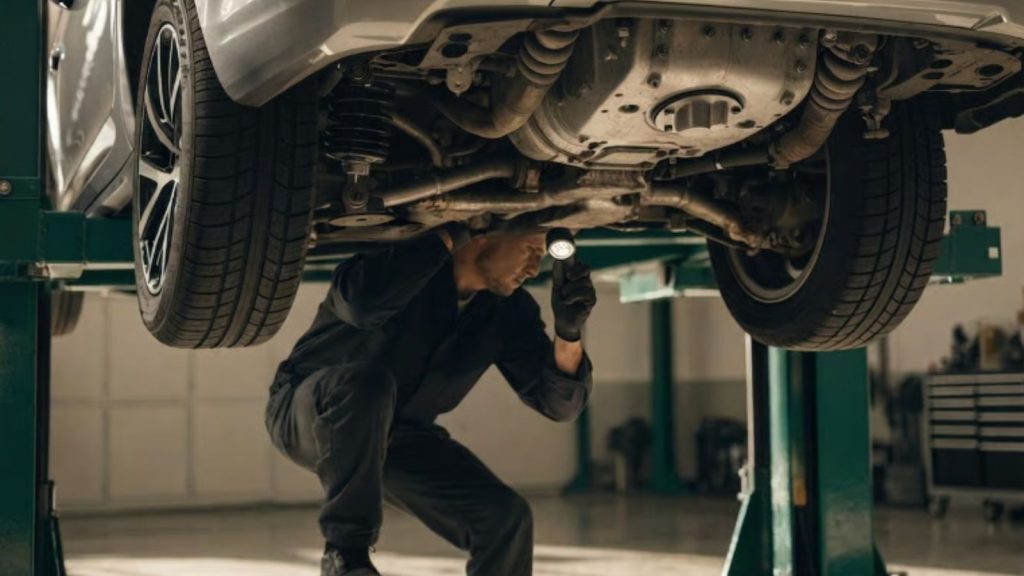
Before driving unpaved Government Canyon trailhead access roads, Subaru owners should confirm differential fluid condition, traction response, tire wear balance, and undercarriage condition. South Texas heat compounds trail load stress on the differential. A lift inspection catches CV joint and mount issues before they progress. Ruben’s Auto Repair recommends this four-step readiness check before any […]
Reliable Subaru Ownership for Leon Valley School Zones
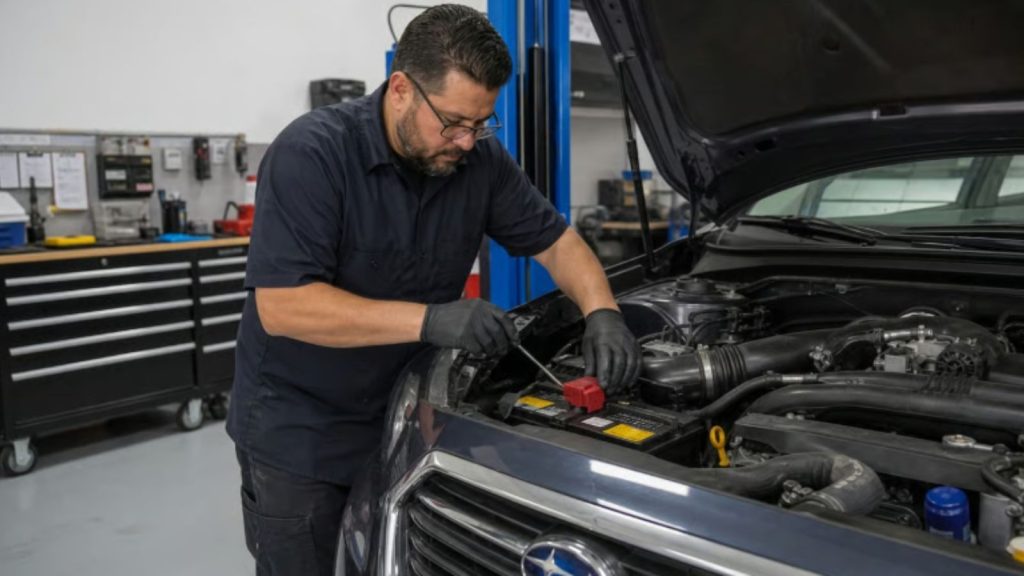
Leon Valley school zone driving concentrates cold starts and low-speed braking into twice-daily windows. Battery voltage often reads below resting range from frequent short trips, condensation builds inside the engine when it never reaches full operating temperature, and brake pads wear from repeated drop-off cycling. Ruben’s Auto Repair adjusts inspection timing to match this specific […]