
Mold inside a car’s AC system is more than a bad smell. It affects air quality, cooling strength, and the long-term health of the evaporator and ducts. In San Antonio, warm weather and high humidity create perfect conditions for mold to grow quickly inside the AC housing. Drivers often ignore the early signs until the smell becomes impossible to overlook.
This guide explains why mold forms, how to prevent it, and what steps protect your AC system from long-term damage.
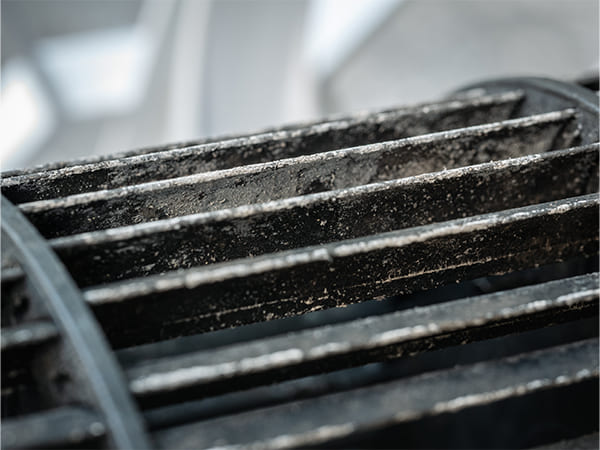
What Causes Mold Growth Inside a Car’s AC System?
Mold grows inside a car AC system because moisture collects on the evaporator and stays trapped in the housing, allowing bacteria and fungus to multiply.
Moist air condenses on the evaporator every time the AC runs. If that moisture can’t drain fast enough—or if the system stays damp after shutdown—it becomes a breeding ground for mold. San Antonio’s humidity makes this problem worse because warm, wet air contains more moisture for the evaporator to catch.
Common causes include:
- A clogged cabin air filter
- Low airflow across the evaporator
- Short drives that never dry the system
- Parking in heat, which speeds microbial growth
- A blocked evaporator drain tube
Mold starts small but spreads fast once the evaporator stays wet for long periods.
Why Does Mold Form Faster in San Antonio’s Climate?
Mold forms faster in San Antonio because warm, humid air produces heavy condensation inside the AC system.
San Antonio has long stretches of warm, moist weather. When humid air hits cold evaporator fins, condensation multiplies. If that moisture does not evaporate before the system shuts off, the evaporator stays damp for hours.
Key local factors:
- Gulf air masses that raise humidity
Heat waves that speed mold growth - Sudden thunderstorms that saturate the air
- Frequent AC use that increases condensation
This climate creates the ideal environment for mold inside AC housings across the city.
How Do You Know If Your Car AC Has Mold?
You know your AC has mold when you smell a musty odor, airflow feels humid, or the air hits your face with a damp, earthy smell.
Other signs include:
- Foggy windows even when the AC runs
- Eyes or throat feeling irritated when the vents blow
- Weak cooling that returns after the AC dries out
- Dampness around the vents after long drives
A moldy AC is not subtle. Once you smell it, spores are already spreading through the ducts.
How Does Mold Affect AC Performance and Cooling Strength?
Mold compromises AC performance because it clogs the evaporator fins and restricts airflow, making the system work harder while cooling less.
The evaporator has narrow pathways that must stay clean so air can flow across the cold fins. When mold grows in this space:
- Air cannot reach the evaporator evenly
- Cooling becomes uneven and slow
- Heat transfer weakens
- Moisture stays trapped inside the housing
A mold-covered evaporator works harder but produces weaker cooling, especially in high humidity.
What Steps Prevent Mold in a Car’s AC System?
You prevent mold by reducing moisture, increasing airflow, and keeping the evaporator and cabin filter clean.
These are the most effective prevention methods:
Run the Fan Before Shutting Off the Engine
Let the fan run for 1–2 minutes after turning off the AC. This helps dry the evaporator.
Replace the Cabin Air Filter Regularly
A clogged filter traps moisture and dark buildup, making mold grow faster.
Clean the Evaporator Periodically
Professional evaporator cleaning removes mold before it spreads deeper into the housing.
Use Recirculation Only When Needed
Recirculation traps moisture if used too long in humid weather.
Ensure the Drain Tube Stays Clear
A blocked drain keeps water inside the AC housing, feeding mold growth.
Avoid Parking With the AC Just Recently Turned Off
If you shut the AC off and immediately park in the heat, mold grows faster.
These steps slow or stop mold even in humid climates.
Why Is Evaporator Cleaning Essential for Mold Prevention?
Evaporator cleaning removes the mold colonies directly from the cold fins, restoring airflow and stopping the odor at its source.
Sprays and cabin filters help, but they do not reach deep inside the evaporator core. Mold hides in narrow channels where airflow is strongest and moisture collects.
Evaporator cleaning:
- Removes the mold biofilm
- Clears debris blocking airflow
- Stops odor immediately
- Improves cooling strength
- Reduces moisture pockets
A clean evaporator is the foundation of mold prevention.
Can Mold Damage the AC System If You Ignore It?
Mold can damage the AC system by corroding the evaporator, reducing airflow, and forcing the blower motor to work harder.
Over time, mold:
- Weakens evaporator fins
- Increases pressure on the compressor
- Causes blower motor wear
- Blocks drain tubes
- Reduces AC lifespan
Ignoring mold shortens the life of your AC system and increases repair costs.
Case Study: How Ruben’s Auto Repair Removed Mold From a Fleet Car and Restored Cooling Strength
A San Antonio courier business depends on its fleet to deliver packages across the city every day. One of its vehicles developed a strong musty smell that worsened each week. Drivers reported headaches, sticky air, and weak cooling on humid days.
They feared the AC system was failing.
What Ruben’s Team Found
After a full inspection, the technicians discovered:
- A heavily clogged cabin air filter
- Mold covering the evaporator fins
- A partially blocked drain tube
- Debris inside the blower housing
The problem was not mechanical. Mold had restricted airflow and trapped moisture inside the AC housing.
The Repairs
Ruben’s Auto Repair:
- Cleaned the evaporator with a foaming treatment
- Replaced the cabin air filter
- Cleared the drain tube
- Treated the ducts with an anti-microbial solution
- Restored airflow to factory levels
The Result
Within the first drive:
- The musty odor disappeared
- Cooling improved dramatically
- Humidity inside the cabin dropped
- Drivers reported clean, crisp airflow
- The vehicle ran cooler during long routes
The company avoided a costly compressor or evaporator replacement. Mold was the true culprit, and cleaning solved the problem.
When Should You Get Your AC Inspected for Mold?
You should get your AC inspected when you smell a musty odor, cooling feels damp, or the system struggles after humid weather.
You also need an inspection when:
- The cabin feels sticky even with AC on
- The air takes long to cool
- Vent airflow becomes weak
- Windows fog up more than normal
These symptoms appear early and get worse fast.
Restore Clean Airflow in Your Car Today
If your AC smells musty, blows damp air, or feels weak during humid weather, mold may be spreading inside the system. Book an AC inspection and cleaning today with Ruben’s Auto Repair to restore clean, strong, fresh airflow.
Frequently Asked Questions
Does mold affect car AC performance?
Yes. Mold blocks airflow and coats the evaporator, reducing cooling strength and slowing heat transfer.
Why does my car AC smell musty?
A musty smell means moisture is trapped in the evaporator housing, allowing mold and bacteria to grow.
How do I stop mold from growing in my car AC?
Replace the cabin filter, dry the system before shutdown, and keep the evaporator and drain tube clean.
Can mold make my AC weaker?
Yes. Mold restricts airflow and forces the AC to cool through a wet, blocked evaporator.
How often should I clean my AC to prevent mold?
Most cars need evaporator cleaning every 1–2 years, especially in humid climates like San Antonio.