TL;DR: A dirty cabin air filter blocks airflow, strains your AC, increases allergies, fogs up windows, and forces your car’s ventilation system to work harder. Replacing it protects your comfort and your vehicle.
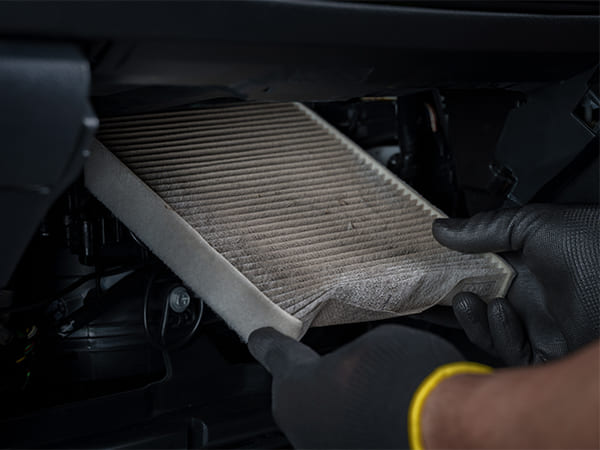
What Does a Cabin Air Filter Actually Do in Your Car?
A cabin air filter removes dust, pollen, soot, mold, and road debris from the air entering your vehicle’s ventilation system. It protects your lungs and your AC. Every time you switch on the AC, choose recirculation, or use the heater, air travels through this filter before reaching your cabin.
In San Antonio, the filter works even harder. The city’s dust, construction debris, oak pollen, cedar allergies, and summer heat cause more buildup than most U.S. regions. Because of this, drivers in the South Texas area often need to replace filters more often.
A clean filter keeps airflow strong, prevents musty odor, reduces allergens, and supports the AC system. A dirty one does the opposite — slowly creating issues that drivers typically blame on the AC, not the filter.
Why Does a Dirty Cabin Air Filter Reduce AC Cooling?
A dirty cabin air filter reduces AC cooling because it restricts airflow. When air can’t move freely through the filter, the AC system becomes strained. You may feel weak airflow, uneven cooling, or no cooling at all at low speeds.
Your AC depends on steady air movement. When the filter is clogged:
- The blower motor works harder
- Air pressure drops
- Cooling slows down
- The AC has to run longer to reach the same temperature
- In extreme cases, the system overheats
Many San Antonio drivers think their AC is losing refrigerant, but the real problem is the filter choking the system.
How Can You Tell Your Cabin Air Filter Is Dirty?
You can tell your cabin air filter is dirty when airflow weakens, windows fog up easily, the cabin smells dusty, or the AC no longer cools as fast as before.
Signs include:
- Weak airflow from vents
- Musty, dusty, or sour smells
- Increased allergy symptoms
- AC struggles at stoplights
- Lower cooling performance on hot days
- Loud fan noise with little air output
- Visibility issues when defogging
- Dark debris falling out when removing the filter
Because San Antonio’s air contains heavy pollen and frequent dust, these symptoms often appear sooner than drivers expect.
Why Do Windows Fog Up More with a Dirty Cabin Filter?
Windows fog up more because restricted airflow prevents humidity from leaving the interior. Your car’s defogger depends on fast air movement. Without it, moisture stays trapped on the glass.
A dirty filter affects:
- Defrost speed
- Moisture control
- Visibility during rain
- Safety when driving in early mornings or at night
This is especially noticeable during San Antonio’s humid months or when cold fronts move through the Hill Country.
How Does a Dirty Cabin Air Filter Affect Your Health?
A dirty cabin air filter affects your health by increasing allergens, dust, and pollutants inside your car. The filter is your vehicle’s first line of defense against airborne irritants.
When the filter is clogged, you inhale:
- Pollen
- Dust
- Mold spores
- Soot from traffic
- Road debris
- Bacteria trapped inside the filter material
San Antonio’s allergy seasons — cedar fever, oak pollen, and ragweed — make a clean filter essential. Drivers with asthma or children in the car notice symptoms more quickly.
Why Does a Dirty Filter Damage the Blower Motor?
A dirty filter forces the blower motor to work harder, drawing more power and heating the electrical components. Over time, this burns out the blower motor resistor or the motor itself.
When airflow is blocked, the motor overheats. This leads to:
- Loud fan noise
- Burning smell from vents
- Only one fan speed working
- Total blower failure
Replacing a filter costs far less than replacing a blower motor. Many San Antonio drivers end up paying for motor replacements because the filter was never changed until too late.
How Often Should You Replace a Cabin Air Filter in San Antonio?
Drivers should replace their cabin air filters every 12,000 to 15,000 miles, but in San Antonio, it’s often necessary to replace them sooner — around 8,000 to 10,000 miles because of:
- High heat
- Construction zones
- Oak and cedar pollen
- Dust from rural roads
- Heavy traffic on Loop 410, I-35, and Highway 90
Some drivers in South Texas replace their filters two or three times a year for maximum comfort and performance.
What Happens If You Ignore a Dirty Cabin Air Filter?
If you ignore a dirty cabin air filter, you may face:
- AC strain and reduced cooling
- Blower motor failure
- Persistent odors
- Stronger allergy symptoms
- Poor defogging performance
- Higher AC repair costs
- Mold growth in the air ducts
The filter doesn’t only protect you — it protects the HVAC system from clogging. When the system becomes overworked, it can fail during the hottest days of the year, which is common in San Antonio’s long summers.
Case Study: How Ruben’s Auto Repair Helped a Local HVAC Company Reduce AC Downtime
A fleet of service vans struggled with weak AC airflow. The cause wasn’t the AC system — it was neglected cabin air filters. Replacing them improved cooling and reduced repair expenses.
A San Antonio HVAC company brought in four service vans with severe AC complaints:
- Weak airflow
- Slow cooling
- Complaints from technicians working long hours in heat
- Windows fogging up during morning jobs
- Lingering dusty smell inside the cabin
The company worried their AC units were failing again after multiple refrigerant top-offs.
Diagnosis from Ruben’s Team
Ruben’s Auto Repair inspected each van and discovered:
- All vans had extremely clogged cabin air filters
- One blower motor was overheating
- Two filters contained mold spots
- All filters were overdue by more than 20,000 miles
The issue wasn’t refrigerant — it was airflow obstruction.
Repair Performed
Ruben’s team:
- Replaced all cabin air filters
- Cleaned the air ducts
- Tested blower motors for overheating
- Flushed out odors using ozone treatment
- Set up a preventive maintenance schedule
The Result
The business saw immediate improvements:
- Faster cooling in all vans
- No more fogging issue
- Better worker comfort during service calls
- Reduced AC downtime during summer jobs
- Prevention of future blower motor failures
This case shows how neglected cabin filters can mimic expensive AC problems — but the fix is simple and inexpensive.
When Is the Best Time to Replace Your Cabin Air Filter in San Antonio?
The best time is:
- Early spring, before oak and cedar pollen
- Late summer, after heavy AC use
- After road trips
- After driving through construction zones
- When you notice airflow weakening
Drivers who suffer from allergies often replace their filters before peak cedar season in December and January.
How Do You Check a Cabin Air Filter Yourself?
You check the cabin air filter by opening the compartment behind the glove box or under the dashboard (depending on your vehicle), then sliding out the filter to inspect it.
A filter needs replacement if:
- It looks dark or black
- Debris falls out
- It smells musty
- It has visible mold spots
- Airflow is noticeably weak
While some vehicles make this process simple, others hide the filter behind panels or tight spaces. Many San Antonio drivers prefer having a shop handle it to avoid breaking clips or bending the filter housing.
Call for Better Air and Cooling in Your Car
If your AC feels weak, windows fog easily, or dust builds up in your cabin, your filter may be overdue for replacement. Call or book your appointment online today with Ruben’s Auto Repair for cleaner air and stronger cooling.
Frequently Asked Questions
What happens if the cabin air filter is dirty?
A dirty cabin air filter reduces airflow, weakens AC cooling, increases allergens, and strains the blower motor.
Can a dirty cabin filter affect AC cooling?
Yes. When airflow is restricted, the AC struggles to cool the cabin and may overheat or run longer than normal.
What does a bad cabin air filter smell like?
It can smell musty, dusty, sour, or moldy because trapped debris, moisture, and bacteria remain inside the filter material.
Can a dirty cabin filter cause AC to not blow hard?
Yes. A clogged filter blocks airflow, causing weak or barely noticeable air output even when the fan is on high.
Is it OK to drive without a cabin air filter?
You can drive, but you’ll breathe unfiltered air, and dust will enter your AC system. This can lead to odors, allergies, and HVAC damage.