
San Antonio drivers expect cold air the moment they hit the AC button—especially as 2026 begins with warmer weather patterns and longer traffic delays across Loop 1604, I-10, and downtown routes. Yet one of the most common complaints shops hear in early spring is this:
“I recharged my AC, but it’s still not cold.”
A recharge is supposed to fix cooling problems, but it often doesn’t. In many cases, it makes the problem worse or exposes issues that were hidden months earlier.
This guide explains why AC systems fail after a recharge, what hidden problems San Antonio drivers face, and how proper diagnostics prevent expensive mistakes. Written with clear, direct language for local readers, this is Ruben’s Auto Repair’s first official blog of 2026—built to help car owners understand the real causes behind weak AC performance and avoid guesswork repairs.
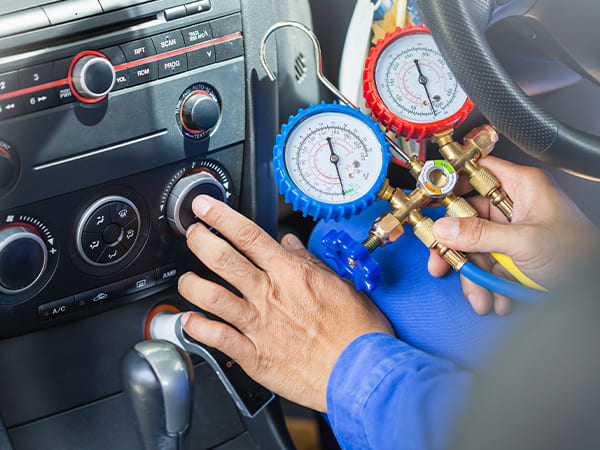
Why Does a Car AC Still Blow Warm After a Recharge?
Your AC still blows warm after being recharged because adding refrigerant only restores pressure—it doesn’t repair the underlying issue. AC systems rely on airflow, sensors, valves, electrical components, and pressure balance. When any of these fail, cooling stops even if the refrigerant is full.
The biggest misconception is this:
“If my AC isn’t cold, it just needs more refrigerant.”
In reality, San Antonio vehicles often lose cooling due to worn compressors, clogged cabin filters, damaged cooling fans, and small leaks caused by long summers and stop-and-go traffic. Adding refrigerant may help for a day, a week, or not at all—but without diagnosis, the problem returns.
What Are the Real Causes of AC Problems After a Recharge in 2026?
A recharge can fail for many reasons, but most drivers in San Antonio encounter the same hidden issues.
What Happens When the AC Has a Leak Before the Recharge?
A leak allows refrigerant to escape again—sometimes within hours.
Recharging a leaking system is like inflating a tire with a nail in it. It gives temporary relief, but pressure drops quickly. San Antonio’s heat accelerates leakage because high temperatures increase system pressure, forcing weak seals to fail faster.
Signs of a leak:
- AC gets cold, then warm days later
- Oily residue on lines or connections
- Hissing near the evaporator or condenser
- Compressor cycles rapidly
A proper repair requires finding and fixing the leak—not refilling refrigerant repeatedly.
Why Does Overcharging the System Cause AC Failure?
Shops that use “quick fill” cans or generic equipment may add too much refrigerant. When the system is overcharged, pressure spikes and the AC becomes weaker than before.
Overcharging leads to:
- Warm air at idle
- Compressor strain
- High-pressure shutdowns
- Premature compressor failure
San Antonio drivers often face overcharge problems because summer pressure already runs higher than average. One extra ounce can push the system past its safe range.
How Does a Weak Compressor Affect AC After a Recharge?
A compressor nearing failure cannot build enough pressure—even with a fresh recharge.
Refrigerant doesn’t fix:
- Slipping compressor clutches
- Worn internal valves
- Heat-soaked bearings
- Electrical faults in compressor control circuits
San Antonio’s long summers cause compressors to run harder than in cooler regions, so drivers frequently experience compressor weakness right after topping off refrigerant.
Why Does a Clogged Cabin Filter Cause Poor Cooling After a Recharge?
Because the AC can’t cool air that cannot pass through the filter.
Pollen, dust, pet hair, and road debris fill cabin filters quickly in Central Texas. Even if refrigerant levels are perfect, airflow drops so low that the evaporator cannot send cold air into the cabin.
Clogged cabin filter symptoms:
- Cold air from vents feels weak
- AC works while driving but not at idle
- Musty smell when AC starts
Many drivers recharge thinking the refrigerant is low, but the real issue is the filter.
How Do Bad Cooling Fans Cause AC Failure After a Recharge?
Cooling fans keep the condenser cold. Without airflow, refrigerant overheats and stops cooling.
After a recharge, pressure increases. If fans are weak, the system cannot maintain a safe temperature. This causes:
- Warm air at stoplights
- AC that cools while moving, not idling
- High-pressure cutoffs
San Antonio’s traffic makes this problem more visible—drivers stuck on I-35 or Bandera Road often notice cooling drop immediately in slow traffic.
Can a Dirty Condenser Cause AC Problems After a Recharge?
Yes. Dirt blocks heat transfer, making the recharge ineffective.
Road dust, bugs, pollen, and oil coat the condenser. Because the condenser removes heat from refrigerant, any blockage increases temperature and pressure.
A recharge cannot overcome restricted heat flow.
Why Do Failing Sensors Cause Post-Recharge AC Issues?
Modern AC systems rely on sensors to manage pressure and evaporator temperature. When a sensor fails, the AC may:
- Shut off randomly
- Cycle rapidly
- Blow warm air intermittently
No amount of refrigerant can override a faulty sensor.
Why Do AC Problems After a Recharge Happen More Often in San Antonio?
San Antonio creates harsh conditions for AC systems due to:
- Long, hot summers increasing pressure
- High humidity adding load to evaporators
- Stop-and-go traffic reducing airflow
- Pollen and dust clogging filters fast
- Extended AC use from March to October
Drivers often recharge early, but without diagnosing the actual cause, cooling fails again.
How Can You Tell If Your AC Recharge Was Done Correctly?
Look for these signs of a proper recharge:
- Vent temperatures drop below 45°F
- Compressor clutch engages smoothly
- Cooling remains stable at idle
- No unusual noises
- No rapid cycling
If the system was recharged but airflow or pressure imbalances remain, deeper diagnostics are needed.
How Do You Fix AC Problems That Appear After a Recharge?
A proper AC repair includes:
- Checking pressure with accurate gauges
- Inspecting for leaks with dye or electronic tools
- Testing cooling fans
- Measuring vent temperatures
- Inspecting compressor clutch operation
- Checking airflow through cabin filter and condenser
Once the underlying problem is identified, cooling becomes reliable again.
Case Study: How Ruben’s Auto Repair Solved Repeat AC Failures for a Local Cleaning Company
A San Antonio cleaning company ran a fleet of four vans that needed strong AC for long daily service routes. Each summer, the drivers visited various quick-service shops for AC recharges.
But within weeks, cooling failed again.
What the Drivers Experienced
- AC warm at idle
- Cooling lasted only a short time
- Musty smells after rain
- Vans overheated during long routes
They assumed the refrigerant was leaking and kept refilling it.
What Ruben’s Found
A full diagnostic revealed:
- Two vans had small condenser leaks
- All four had clogged cabin filters
- Two cooling fans were weak
- One compressor clutch was slipping
- Condensers were coated in dust and pollen
The repeated recharges only masked the symptoms.
What the Team Repaired
Ruben’s Auto Repair:
- Repaired condenser leaks
- Replaced all cabin filters
- Installed new cooling fans
- Cleaned and restored condenser airflow
- Adjusted pressure to correct factory levels
The Results
The company saw:
- Strong cooling even during long summer routes
- No repeat failures
- Lower fuel consumption
- Fewer emergency maintenance calls
- Improved comfort for workers
This case proves that a recharge alone does not fix AC problems—accurate diagnostics do.
When Should You Get Your AC Checked After a Recharge?
Get your system inspected if:
- Cooling drops within days
- AC works only while driving
- A musty smell appears
- System cycles rapidly
- You hear clicking from the compressor
These signs indicate deeper issues.
Restore Cooling the Right Way Before 2026 Heat Arrives
If your AC still struggles after a recharge, it’s not a refrigerant problem—it’s a deeper issue. Schedule a full AC diagnostic today with Ruben’s Auto Repair to restore reliable, strong cooling before temperatures rise.