When you’re caught in a Texas downpour or driving through dusty Hill Country roads, clear visibility isn’t just a comfort—it’s a necessity. Yet, many Land Rover owners don’t realize how essential properly functioning wiper blades are until their vision is smeared or streaked mid-drive. Just like changing the oil or rotating the tires, wiper blade replacement is a key part of regular maintenance. It might seem minor, but ignoring it can compromise your safety.
So let’s break it down clearly, simply, and with real-world examples that help you feel confident handling your next wiper replacement.
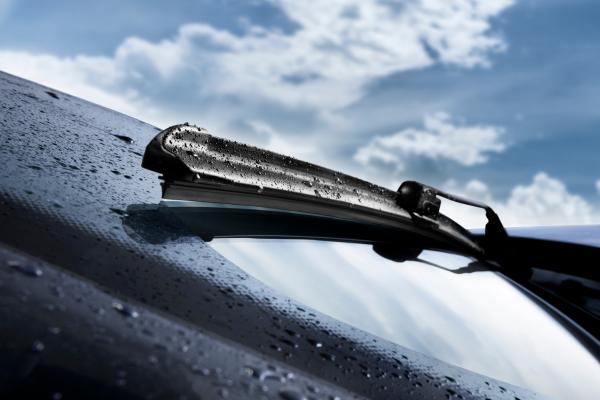
Why Wiper Blades Matter More Than You Think
Think of your wiper blades like the windshield’s eyeglasses. If they’re scratched, dirty, or misaligned, everything gets blurry. In San Antonio’s climate—where you get hot sun, surprise rain showers, and airborne dust—your wipers do overtime compared to those in cooler or less dusty regions.
Worn blades can leave streaks, squeak loudly, or worse, miss spots altogether. According to AAA, poorly maintained wipers are a leading cause of poor visibility-related accidents. Replacing them regularly keeps you safer and helps avoid those moments of panic when it suddenly starts pouring on Loop 1604.
How Often Should You Replace Land Rover Wiper Blades?
The general rule is every 6 to 12 months. But in San Antonio, you might want to check them every 6 months due to heat-related rubber degradation. The sun can cause the rubber to warp or crack faster than expected.
Run your finger along the edge of the blade. Feel any cracks, stiffness, or roughness? That’s your cue to swap them out.
Identifying Signs of Worn-Out Blades
Let’s say you’re heading downtown and turn on your wipers—but instead of a clean sweep, you get streaks or chatter. That’s a sign. Here are more warning flags:
- Squeaking noises
- Uneven cleaning patterns
- Skipping or jerking motion
- Cracked or peeling rubber edges
Your Land Rover deserves better than blurred views of the San Antonio skyline.
Choosing the Right Replacement Blades for Your Land Rover
Land Rovers often use beam-style blades—known for better pressure distribution and performance. Check your owner’s manual for the exact size and type. Most newer models like the Range Rover Evoque or Discovery Sport use different sizes for the driver and passenger sides. Be sure to verify whether your vehicle has a rear wiper as well—some models do. If you’re unsure, many auto parts stores offer fitment tools or online lookup options to help. You can purchase OEM blades or high-quality aftermarket ones from trusted brands. Don’t skimp—a poor blade may cost less today, but could compromise visibility tomorrow.
Step-by-Step Replacement Process
Changing wiper blades is easier than many people think and takes just a few minutes with the right approach. Here’s a simple walkthrough using a 2020 Land Rover Discovery as an example:
- Lift the wiper arm gently off the windshield until it stays upright. Be careful not to let it snap back, as this could crack the glass.
- Press the locking tab where the blade meets the arm to release it.
- Slide the old blade down and off the arm, keeping a firm grip to avoid dropping it.
- Align the new blade with the hook or connector, then push it up into place until you hear a click, confirming it’s secure.
- Gently return the arm to the windshield to avoid damaging the glass or the new blade.
- Repeat the process for the other side, and don’t forget the rear wiper if your model has one—it’s often overlooked but just as important for visibility.
Once done, test the new blades with washer fluid to ensure smooth, streak-free operation.
Common Mistakes to Avoid
Some drivers install the wrong size blade, which can reduce coverage and cause damage. Others forget to remove the protective strip on the blade edge, resulting in ineffective wiping. Still more leave the wiper arm upright while replacing the blade—if it snaps back, it can crack the glass. Using low-quality blades or skipping regular replacement can also lead to streaking and poor visibility. Always consult your vehicle’s manual or ask a professional for guidance. Taking a few extra seconds to double-check can prevent headaches (and costs) later.
Case Study: Land Rover Discovery Owner in San Antonio
Meet Carlos, a teacher living in Alamo Heights. After a summer storm caught him off guard, his wipers left streaks that made it hard to see, especially at night. He realized they hadn’t been changed since he bought the vehicle two years ago.
Step 1: Carlos checked the owner’s manual and learned the sizes: 26” for the driver, 19” for the passenger.
Step 2: He purchased premium blades from a local parts store.
Step 3: Following an online video, he replaced both blades in 10 minutes. He also cleaned his windshield to ensure optimal performance.
Outcome: During the next rain, the view was crystal clear. No more squeaks. No more streaks. Carlos now marks a biannual reminder on his calendar to check his blades.
Why Professional Help Can Make a Difference
While the DIY route is totally doable, some drivers prefer professional help to save time and ensure proper fit. Mechanics also check for related issues, like worn wiper arms or low washer fluid.
If you’re ever unsure or don’t have the time, a quick visit to Ruben’s Auto Repair can take this task off your plate and make sure your Land Rover is weather-ready.
Frequently Asked Questions
- Do I need special tools to replace my Land Rover’s wiper blades?
No. Most modern Land Rover blades are designed for easy snap-on replacement. Your hands are usually all you need. - Can I use generic blades from big box stores?
Yes, if they match the exact size and style. However, premium or OEM blades often last longer and fit more precisely. - How can I extend the life of my wiper blades?
Clean your windshield regularly, park in the shade, and wipe down your blades with a damp cloth every few weeks to remove debris and oils. - Are rear wiper blades different from front ones?
Yes. Rear blades are often shorter and attach differently. Always check the specs for your Land Rover model. - What if my new blades still leave streaks?
Try cleaning both the windshield and the new blades. If the issue continues, the wiper arm may be bent or there could be residue on the glass.