You may not see it, but every time you turn the key or hit the gas in your Land Rover, a long rubber belt jumps into action—quietly powering vital systems under the hood. From the alternator to your A/C, your serpentine belt keeps things running smoothly. But when it starts to wear, the effects can ripple through your engine like a snapped shoelace during a jog.
San Antonio’s hot weather and stop-and-go traffic only make this part wear out faster. So if your belt is cracked, squealing, or overdue for replacement, this guide will walk you through everything you need to know—whether you’re driving a Discovery, Defender, or Range Rover.
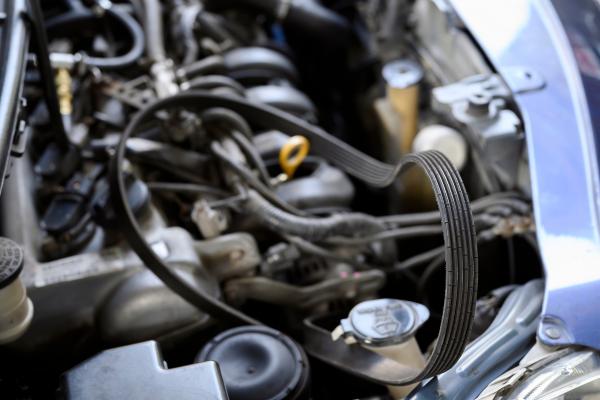
What Is a Serpentine Belt and Why Does It Matter?
Think of the serpentine belt like a single long ribbon wrapped around several pulleys. Just like one belt can hold up your jeans, the serpentine belt holds together your vehicle’s most critical systems.
It powers the alternator (keeps the battery charged), water pump (keeps the engine cool), power steering pump (helps you steer easily), and the A/C compressor (keeps you cool). When this belt fails, so do those systems—and your vehicle can quickly become undrivable.
How Long Does a Serpentine Belt Last?
Most Land Rover serpentine belts last between 60,000 and 100,000 miles, depending on the model, the belt material, and driving conditions.
But in a city like San Antonio, where long commutes, scorching heat, and urban stoplights are common, belts wear out sooner. That’s because heat and friction break down the rubber over time.
The best approach? Have the belt inspected every 20,000 miles and consider replacing it during major services like timing belt or water pump repairs.
Signs Your Serpentine Belt Needs Replacement
When your belt starts to fail, your Land Rover will drop hints. Think of these as early warning signs—like creaky knees before a long hike. Ignoring them can lead to sudden breakdowns and expensive damage.
Here’s what to look for:
- A high-pitched squealing noise during startup or acceleration
- Power steering feels heavy or sluggish
- The A/C isn’t blowing cold air
- Dashboard warning lights for battery or temperature
- Cracks, fraying, or shiny glazing on the belt
Any of these symptoms mean it’s time for a professional inspection. A snapped belt doesn’t give second chances.
What Causes Serpentine Belt Wear?
Time and mileage are obvious factors, but several specific conditions speed up wear—especially in South Texas.
First, heat. Rubber doesn’t age well under constant exposure to high temperatures. Summer heat in San Antonio regularly hits the 90s, which means under-hood temps can soar past 200°F.
Second, fluid leaks. Oil or coolant drips can eat into the belt’s surface, causing premature cracking or slipping.
Lastly, misaligned pulleys or tensioners can stretch or fray the belt. If the tensioner fails, even a new belt won’t last long.
What Happens If the Belt Breaks?
A broken serpentine belt causes an instant chain reaction. The alternator stops charging the battery. The water pump stops cooling the engine. The power steering assist vanishes. In minutes, your Land Rover goes from fully functional to stranded on the side of I-35.
And if you continue driving with an overheating engine, you risk serious damage like warped cylinder heads or a blown head gasket—repairs that can run into the thousands.
That’s why this small part, which costs far less to replace than repair the damage it causes, deserves timely attention.
Step-by-Step Case Study: 2015 Range Rover Evoque
Vehicle: 2015 Evoque, 84,000 miles
Owner complaint: Squealing noise during cold starts and sluggish steering during low speeds
Step 1: Visual inspection revealed surface cracks and belt glazing. Tensioner pulley was also worn.
Step 2: Old serpentine belt removed and pulley alignment checked.
Step 3: Belt replaced with OEM-grade belt and new tensioner.
Step 4: System tested with engine running. No squeals. Steering and A/C function returned to normal.
Result: Job completed in under 2 hours. Total cost: $320 including parts and labor.
The customer said the vehicle felt “like new again.” All systems were smooth, quiet, and responsive.
Why Timing Matters in San Antonio
In San Antonio, with its scorching heat and unpredictable traffic, it’s not just smart—it’s necessary to stay ahead of engine wear. You don’t want to be caught in downtown traffic or a Hill Country road with a belt failure. And with how tightly Land Rover engine compartments are designed, a worn belt can cause collateral damage if it snaps and whips around at high speeds.
Replacing your serpentine belt at the right time keeps your vehicle safe, reliable, and ready for the road ahead.
Should You Replace It Yourself?
Technically, yes—but with caution.
Some mechanically inclined owners may attempt a DIY belt swap. On older models, it’s a simple job with basic tools. However, newer Land Rovers often require removing components, aligning multiple pulleys, and using special tools to release tension.
If done incorrectly, you can misalign the belt, damage pulleys, or cause future failures.
That’s why most drivers choose to let professionals do it right. If you’re in San Antonio, Ruben’s Auto Repair offers quick, precise serpentine belt replacement for all Land Rover models—with expert technicians who know your vehicle inside and out.
Frequently Asked Questions
- How long does serpentine belt replacement take?
Most replacements take 1 to 2 hours, depending on model and engine layout. - What happens if I wait too long to replace the belt?
The belt could snap while driving, disabling key systems like steering, cooling, and battery charging. - Do I need to replace the belt tensioner too?
Not always, but if it shows signs of wear or loss of spring tension, it’s smart to replace it during a belt service. - Is it safe to drive with a noisy belt?
Not really. That squealing sound means slippage or wear—and could signal the belt is moments from failure.
How much does belt replacement usually cost?
For most Land Rovers, expect to pay between $200 and $450 depending on parts, labor, and whether the tensioner is replaced.