Your Land Rover might look tough on the outside, but the real workhorse lives underneath. That’s where the exhaust system operates—quietly removing toxic gases, controlling emissions, and helping the engine breathe. And while many drivers in San Antonio focus on oil changes and tire rotations, exhaust inspection is often ignored.
That’s a mistake. A faulty exhaust system doesn’t just hurt performance—it can impact your health, safety, and wallet. So let’s dig into why inspecting your Land Rover’s exhaust system matters and how to do it the right way.
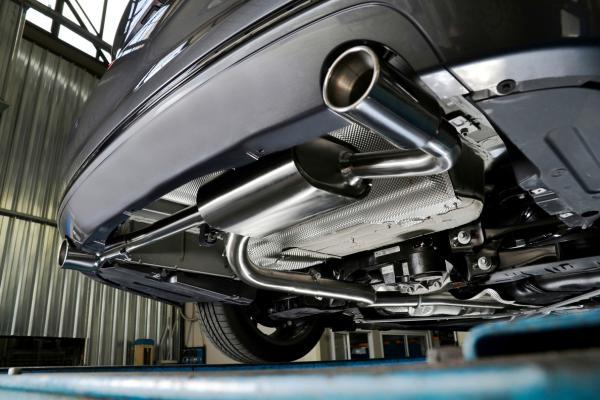
Why the Exhaust System Matters More Than You Think
Think of your exhaust system like your lungs. If it can’t exhale properly, nothing else works right. Your Land Rover’s engine produces a lot of gas and heat. The exhaust routes these gases away, reduces pollutants, and even affects fuel efficiency and engine temperature.
In San Antonio’s heat and high-traffic conditions, exhaust systems can corrode faster than usual. Add in occasional off-road trips through dusty trails near Government Canyon or weekend rides down I-10, and wear becomes a real concern.
According to the U.S. Department of Energy, a well-maintained exhaust system can improve fuel economy by up to 3% and reduce harmful emissions by even more.
Parts of the Exhaust System and What They Do
Your Land Rover’s exhaust system is more than just a tailpipe. It includes multiple parts working in sync:
- Exhaust manifold: Collects gases from the engine’s cylinders
- Oxygen sensors: Monitor gas levels for the engine control unit
- Catalytic converter: Converts harmful gases into less toxic ones
- Muffler: Reduces noise
- Tailpipe: Releases the treated gases into the air
If one part fails, the whole system can struggle. Just like one clogged artery can affect the entire body, a blocked muffler or leaky pipe can make your Land Rover sluggish and inefficient.
When to Inspect Your Exhaust System
Land Rover recommends inspecting the exhaust system at least once a year or every 12,000 miles. In San Antonio, where heat and humidity can speed up rust and corrosion, inspecting every six months is a smart move—especially if you hear odd noises or smell strong exhaust fumes.
Warning signs include:
- Hissing, popping, or roaring noises
- Decreased fuel economy
- Vibration in the steering wheel or footwell
- Sulfur or exhaust smell inside the cabin
How to Inspect the Exhaust System (Step-by-Step)
Inspecting your Land Rover’s exhaust doesn’t require advanced tools, just a sharp eye and a safe environment. Here’s how a DIY check might look:
Step 1: Park Safely and Let the Vehicle Cool
Make sure your Land Rover is parked on a flat surface and the engine is completely cool before starting. Never inspect a hot exhaust system.
Step 2: Look Under the Vehicle
Use a flashlight and check the length of the exhaust system from the manifold to the tailpipe. Look for rust, cracks, or holes in the pipes.
Step 3: Wiggle the Components
Gently move parts like the muffler and tailpipe. If anything feels loose or rattles, it may need attention.
Step 4: Listen While the Engine Runs
Start the vehicle and listen closely. Roaring, tapping, or high-pitched hissing usually means there’s a leak or loose part.
Step 5: Check for Black Soot or Moisture
If you spot black stains or wet spots on the pipes, that’s often a sign of exhaust leaks or gasket failures.
Case Study: Emma’s Range Rover Sport
Emma lives in Stone Oak and drives a 2018 Range Rover Sport. After a summer road trip through Big Bend, she noticed a loud hum coming from the rear of her vehicle. At first, she ignored it. A few weeks later, she began smelling fumes in the cabin.
Step 1: Emma took a quick look under her vehicle and noticed black soot around the muffler seam.
Step 2: She drove to a local shop that confirmed her muffler had a small hole. The high heat and long drive had weakened the welds.
Step 3: The technician replaced the muffler and checked the catalytic converter for damage.
Result: Emma’s fuel economy improved by 2 MPG, the noise disappeared, and the cabin air smelled fresh again.
The lesson? Small issues escalate fast. Early inspection saved Emma from a costlier catalytic converter replacement.
The Hidden Dangers of a Failing Exhaust System
You might think, “It still drives, so I’m fine.” But here’s the thing: exhaust leaks can push carbon monoxide into the cabin. This invisible, odorless gas is dangerous. It can cause headaches, nausea, or worse, especially during long drives.
In addition, an underperforming catalytic converter can lead to failed emissions tests. In Texas, where vehicle inspections are mandatory in most counties, a failed test means fines or a red flag on your renewal.
Should You DIY or Call a Pro?
While checking for surface rust and rattles is easy enough, deeper inspection and repairs need experience. Welding exhaust pipes or replacing sensors requires precision and tools most home garages don’t have.
If you’re unsure about what you’re seeing under the vehicle or hear new sounds, a professional inspection can catch issues you might miss.
If you’re in San Antonio and need trusted help, Ruben’s Auto Repair offers quick exhaust system checks and honest assessments. It’s a small step that can prevent major trouble down the road.
Frequently Asked Questions
- How long does a typical Land Rover exhaust system last?
With proper maintenance, 5 to 10 years. But San Antonio’s heat and humidity can shorten that range. - Can a damaged exhaust system affect engine performance?
Yes. A leak or blockage can throw off oxygen readings and affect how the engine runs and uses fuel. - Is it okay to drive if my exhaust is making noise?
You can, but it’s risky. Noise could mean a loose part or leak that might let harmful gases enter your vehicle. - What’s the difference between surface rust and dangerous corrosion?
Surface rust is normal and usually harmless. But bubbling, flaking rust or holes signal deeper damage that needs fixing.
Will a damaged exhaust fail my Texas vehicle inspection?
Yes. Emission leaks or poor catalytic performance can trigger a failed test, especially if your check engine light is on.