
You step on the gas, and your Land Rover moves forward confidently, even as you navigate a steep incline or a rough hill just outside San Antonio. Behind the scenes, a vital system is working to distribute power between your wheels: the differential. It might not get much attention, but if the fluid inside it breaks down, performance suffers, and costly damage can follow.
Differential fluid might not be flashy, but a silent guardian keeps your Land Rover driving the way it should. This guide explains how it works, why it matters, and how to keep it in top shape, especially under Texas heat and terrain demands.
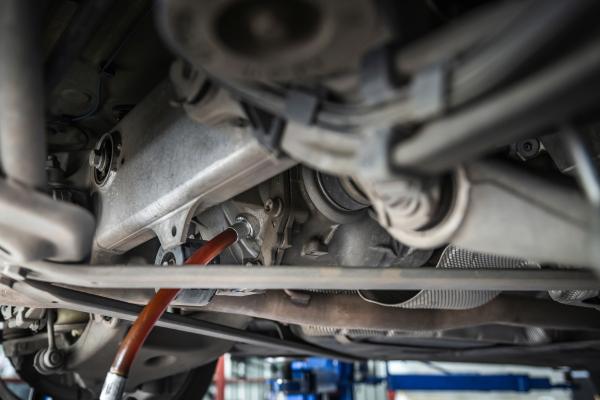
What Does Differential Fluid Do?
Think of your differential like a team of gears doing a delicate balancing act. When you take a turn, your wheels must spin at different speeds. The differential allows that to happen smoothly, so your tires don’t drag or skip.
Now, picture those gears spinning thousands of times per minute, especially when cruising along Loop 1604 or hitting a trail near Government Canyon. Without a protective fluid coating, they’d grind against each other and wear out quickly. Differential fluid keeps them lubricated and calm under pressure.
Over time, though, this fluid starts to break down. It can become contaminated with tiny metal shavings, dirt, and moisture. That weakens its ability to protect the system, leading to gear damage, bearing failure, or even total differential lockup.
Why Maintenance Matters More in San Antonio
Driving in San Antonio presents challenges, including high temperatures, stop-and-go traffic, and frequent elevation changes. These factors stress the differential system. Heat accelerates the breakdown of lubricants, and rough or dusty roads increase the chances of contamination.
If you tow a trailer, haul heavy gear, or occasionally take your Land Rover off-road, your differentials work even harder. These conditions mean your fluid may need to change more often than the general manufacturer recommends.
When Should You Replace the Fluid?
For most Land Rover models, differential fluid should be replaced every 30,000 to 60,000 miles. But that’s just a general rule. If you notice whining noises during turns, vibration while accelerating, or a burning smell near the axle area, your fluid may already be overdue for service.
A quick inspection can determine the fluid’s condition. Fresh differential fluid is usually amber or light brown and has a thick, oily texture. Old fluid, on the other hand, might look dark, smell burnt, or feel gritty—all signs that it’s time for a change.
Case Study: 2016 Range Rover Evoque in Stone Oak
A driver from the Stone Oak area brought in a 2016 Range Rover Evoque with just over 50,000 miles for a routine inspection. While no major symptoms were reported, the technician noted a light humming sound during low-speed cornering.
Step 1: Fluid Check
The mechanic removed the fill plug from the rear differential and sampled the fluid. It was dark and slightly burnt—evidence that the fluid was breaking down.
Step 2: Drain and Clean
The rear and front differentials were drained. Fine metal particles were visible in the old fluid. Although they had normal wear, they were worth cleaning thoroughly. The technician cleaned the magnetic drain plugs and inspected the housing for residue.
Step 3: Refill with OE-Approved Fluid
The shop used Land Rover-approved synthetic gear oil, rated for high heat and heavy load conditions.
Step 4: Test Drive
Post-service, the Range Rover was driven in a variety of conditions, from residential roads to short highway bursts. The humming disappeared completely, and the driver reported smoother overall handling.
Why DIY Isn’t Always the Best Option
While changing differential fluid isn’t the most complex job, it requires precision. The fluid type and amount must match Land Rover specifications exactly. Overfilling or using the wrong fluid can cause seal leaks or reduce gear performance. The location of fill and drain plugs can also vary by model and often requires specialized tools.
Using the correct fluid viscosity matters even more in San Antonio’s heat. Thinner fluids may lose effectiveness under high temperatures, while thicker fluids can create drag and lower fuel efficiency.
The Cost of Neglect
Let’s say you ignore differential service. At first, you might not notice anything. But eventually, the gears begin to wear faster. The protective coating breaks down. Then one day, your Land Rover starts making strange clunking noises during turns, and you begin losing traction control. You bring it in, only to find that a gear set has failed. The repair could cost over $2,000.
That can be avoided with a $150 to $300 service at the right time. It’s a simple equation—prevention saves money and stress.
What Makes Land Rover Differentials Unique?
Many Land Rover models use advanced systems like limited-slip or electronically controlled differentials. These setups require specific fluids and often have multiple units—front, rear, and sometimes center differentials—each needing its own service schedule.
In some models, sensors monitor wheel speed and torque distribution. Dirty or degraded fluid affects the system’s ability to function accurately, especially when engaging traction control on steep or slippery terrain.
That’s why a basic “drain and refill” isn’t enough. The technician must understand the full system architecture, reset any service indicators, and relearn procedures after maintenance.
Driving Habits That Affect Fluid Lifespan
City driving with many starts and stops can stress the rear differential, mainly during low-speed turns. Frequent long drives in summer heat wear out the fluid faster. Off-roading and towing put the entire drivetrain under extra strain.
Even the weather plays a role. Sudden rain or water splashes can seep into poorly sealed units and contaminate the fluid. Dusty roads outside the city can also affect seal performance.
When to Book a Service
If you’re approaching 40,000 to 60,000 miles and haven’t inspected your differential fluid, it’s time. A technician can check the fluid’s condition, top it off, or replace it as needed.
If you’re hearing noises, feeling shuddering during turns, or just want peace of mind before summer road trips, don’t wait. Contact Ruben’s Auto Repair to schedule a differential fluid service tailored to your Land Rover and your local driving conditions.
Frequently Asked Questions
- Can I check the differential fluid myself?
You can, but it’s not always easy. You’ll need to safely lift the vehicle and access the differential fill plug, which may require special tools. Always let the system cool before checking. - What type of fluid should I use?
Use only Land Rover-recommended gear oil. Using the wrong type can cause performance issues or wear out seals. - How long does the service take?
Typically, it takes 1 to 2 hours, depending on whether you’re servicing both front and rear differentials. - What are the signs that my differential fluid is low or dirty?
Listen for whining, humming, or grinding during turns or acceleration. If the fluid smells burnt or looks dark and dirty, it’s time for service.
Is this covered under regular maintenance plans?
It may not be included in basic plans, but it’s often part of premium maintenance packages or extended service intervals. Check your owner’s manual or warranty.