Why Do Driving Habits Affect Car AC Health?
TL;DR: Driving habits affect AC health because the system relies on airflow, pressure balance, engine load, and cooling efficiency. Certain habits strain these parts and cause early wear.
Your car’s AC is not separate from your driving behavior. Every action — how fast you accelerate, how long you idle, how often you switch modes, and even how you use recirculation — affects the way the AC cools, drains moisture, maintains pressure, and protects the compressor.
Drivers often blame weak cooling on age or heat, but more AC failures in San Antonio come from daily habits than mechanical defects. The AC system is built to handle heat, but it is not built to endure repeated stress from poor operation.
Driving habits matter because the AC depends on:
- Airflow over the condenser
- Engine RPM
- Cooling fan strength
- Moisture removal
- Internal pressure stability
- Clean cabin air
Small habits create major problems over time. Understanding these habits helps prevent expensive repairs during San Antonio’s long summer season.
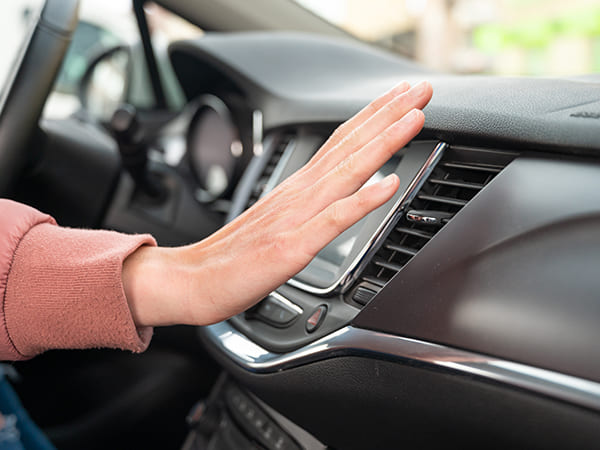
What Driving Habits Put the Most Strain on Your Car AC?
Several common behaviors slowly weaken AC performance. Most drivers do not realize they are damaging the system because cooling still feels “fine” at first.
Letting the Car Idle for Long Periods
The AC cools best while driving. At idle, airflow drops and condenser temperature rises. Weak fans intensify the problem.
Effects of long idling:
- Warm air at stoplights
- Higher refrigerant pressure
- Hot compressor cycles
- Early AC shutdown
San Antonio traffic amplifies this issue during rush hour.
Blasting the AC on Max Right After Starting the Car
Hot cabin air forces the system to cool harder and faster. The compressor works under heavy load before the engine stabilizes.
A better habit: Open the windows for 20–30 seconds to release trapped heat, then turn on AC.
Switching Between AC Modes Too Frequently
Jumping from AC to defrost to vent and back creates pressure swings inside the system.
Frequent mode changes cause:
- Moisture buildup
- Fogging issues
- Mold growth
- Blend door stress
Consistency is healthier for the AC system.
Ignoring Outside Air vs. Recirculation Mode
Recirculation reduces humidity and workload. Using outside air in heavy humidity forces the AC to remove far more moisture before cooling.
In humid cities like San Antonio, failure to use recirculation is one of the main causes of:
- Slow cooling
- Damp airflow
- Evaporator freeze-up
Driving with Windows Open While AC Is On
This forces the AC to work harder to cool constant incoming warm air.
It leads to:
- Poor cooling
- High fuel use
- Compressor strain
Running the AC on Low Fan Speeds All the Time
Low fan speeds allow moisture to stay longer in the evaporator. This increases mold, odor, and moisture damage.
Using higher fan speeds periodically clears moisture and preserves airflow.
Overloading the Vehicle
More weight increases engine load. The AC must work harder because the engine temperature rises faster under heavy strain.
You’ll notice:
- Weak cooling uphill
- AC shutting off during high load
- Temperature spikes
Work trucks and service vans experience this more often.
Failing to Replace Cabin Air Filters Regularly
One of the worst habits is ignoring cabin filters. They clog fast in dusty or humid climates.
A dirty filter causes:
- Weak airflow
- Odor
- Fogging issues
- Evaporator strain
Many AC problems start here, not with refrigerant.
Ignoring Strange Noises From the AC
Drivers often dismiss clicking or grinding as “normal.” These sounds signal early compressor clutch failure. Waiting too long leads to full compressor replacement.
Why Do These Driving Habits Hit San Antonio Drivers Harder?
San Antonio’s environment makes AC systems work harder than in most US cities.
Local factors include:
High Heat
Long periods of 95–105°F temperatures push system pressure to the limit.
High Humidity
Humidity adds moisture to the air, slowing cooling and causing mold faster.
Heavy Urban Traffic
Stop-and-go driving reduces airflow and bakes condenser coils.
All-Year AC Use
Drivers rely on AC almost every month. More use = more wear.
Dust and Pollen
Texas roads clog filters and condensers more quickly.
These conditions make “bad habits” turn into real mechanical problems much sooner.
How Do Bad Driving Habits Damage Major AC Components?
Compressor
Frequent max-cooling starts to strain the clutch and internal valves.
Condenser
Idling reduces airflow, causing high pressure and hotter condenser temperatures.
Evaporator
Moisture from poor recirculation habits leads to mold, corrosion, and freezing.
Fans
Stop-and-go traffic with AC on high causes fan motors to overheat and fail.
Refrigerant Lines
Pressure spikes from repeated mode changes stress seals and create micro-leaks. Driving habits don’t just weaken cooling — they shorten AC lifespan.
What Driving Habits Help Preserve Your AC System?
Improving AC health is simple. Small habit changes offer significant benefits.
Use Recirculation Mode During Hot or Humid Weather
This reduces strain and speeds cooling.
Start the Car Before Turning AC to Max
Let the engine stabilize first.
Replace Cabin Filters Twice a Year
San Antonio dust requires more frequent replacement.
Drive Instead of Idling When Possible
Movement improves airflow.
Run the AC at Higher Fan Speeds Sometimes
Keeps moisture from building inside.
Keep Windows Closed When AC Is On
Stops warm air from entering the cabin.
Clean the Condenser Periodically
Road debris reduces cooling efficiency over time. These habits protect your AC and reduce repair costs.
Case Study: How Driving Habits Affected a Local Landscaping Company’s AC Systems
A landscaping business in San Antonio used four pickup trucks for daily operations. Drivers frequently complained about:
- Warm air in traffic
- Weak airflow
- Musty smell after rain
- High fuel consumption
The company believed their AC systems were failing due to age. They expected multiple compressor replacements.
What Ruben’s Auto Repair Found
After inspecting all four vehicles, Ruben’s discovered:
- All trucks had severely clogged cabin filters
- Condensers were coated in mud and grass debris
- Drivers idled for long periods with AC on
- Two blower motors were overheating
- Refrigerant levels were normal — no leaks
Driving habits were the real problem.
Repairs and Corrections
Ruben’s team:
- Replaced cabin filters
- Cleaned and flushed condensers
- Repaired blower motors
- Educated drivers on AC-friendly habits
- Added airflow checks to their maintenance routine
Results for the Business
After changing habits:
- Cooling improved immediately
- Fuel use dropped
- Odor disappeared
- No summer AC breakdowns
- Drivers reported better comfort
The company avoided unnecessary compressor replacements and saved thousands.
When Should You Adjust Your Driving Habits to Protect the AC?
You should adjust your habits when:
- Cooling weakens in traffic
- Airflow feels damp
- You smell odor from vents
- You drive long routes with frequent idling
- Your vehicle carries heavy loads
- You use AC almost every day
Small changes made early prevent large repairs later.
Call to Protect Your AC From Daily Driving Stress
If your AC feels weak, damp, or inconsistent, your driving habits may be part of the cause. Schedule an AC diagnostic today with Ruben’s Auto Repair to restore strong cooling and prevent costly damage.
Frequently Asked Questions
Can driving habits damage my car’s AC?
Yes. Idling, clogged filters, heavy loads, and humidity-related habits strain the system and speed up wear.
Why does my AC blow warm air at stoplights?
Weak airflow, failing fans, or high system pressure cause warm air during idle.
Does running the AC on max harm the system?
Using max cooling is fine, but starting the car with AC on max increases compressor strain.
Why does my AC smell after rain?
Moisture collects in the evaporator and mixes with dust, causing mold and odor.
How can I prevent AC damage from daily driving?
Use recirculation mode, replace cabin filters often, avoid long idling, and keep the condenser clean.