
Why Is Diagnosing Car AC Problems Early So Important?
In San Antonio, air conditioning isn’t a luxury—it’s a necessity. When your car’s AC system begins to fail, it often starts small: weak airflow, odd noises, or a faint warm breeze on what should be a cool setting. These early warning signs are your car’s way of saying something’s wrong.
Ignoring them could mean a small refrigerant leak today turns into a failed compressor tomorrow. Understanding how to spot problems early gives you a huge advantage—saving both money and time.
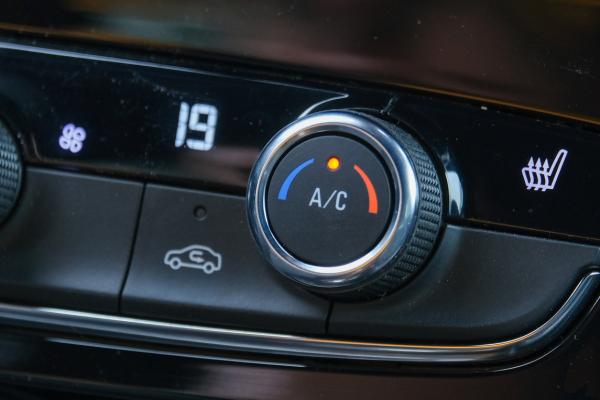
What Are the Most Common Signs of Car AC Problems?
Weak airflow, strange noises, bad smells, or warm air usually mean your AC has a leak, compressor issue, or airflow blockage.
When your car’s air conditioning starts acting up, it’s easy to blame the Texas heat. But the system itself often gives clear clues that something is wrong. The most common symptoms include:
- Warm or inconsistent air: Usually points to low refrigerant or a faulty compressor clutch.
- Weak airflow: A sign of a clogged cabin filter or failing blower motor.
- Unusual noises: Clicking, grinding, or rattling noises may signal compressor damage.
- Musty odors: Indicates mold growth inside the evaporator or ducts.
- Water pooling inside the cabin: A blocked evaporator drain is the likely cause.
If any of these sound familiar, your system may already be losing efficiency—and waiting too long will only make repairs more expensive.
How Does a Mechanic Diagnose Car AC Issues?
Professional AC diagnostics involve checking pressure levels, refrigerant leaks, airflow, and electrical components with specialized tools.
At Ruben’s Auto Repair, diagnosis starts with precision—not guesswork. Technicians follow a step-by-step process that isolates the exact cause of failure rather than replacing parts blindly.
Here’s how they do it:
- Visual Inspection: Checking belts, hoses, and connectors for wear, oil residue, or corrosion.
- Refrigerant Pressure Test: Measuring pressure levels on the high and low sides of the system.
- Temperature Differential Check: Comparing air temperature at vents to system standards.
- Electronic Leak Detection: Using sensors or UV dye to pinpoint refrigerant loss.
- Electrical System Testing: Verifying that relays, switches, and the compressor clutch work properly.
- Compressor and Condenser Evaluation: Ensuring the heart of the system is functioning efficiently.
This process not only finds the source of the issue but prevents misdiagnosis—saving customers from unnecessary part replacements.
What Causes Most Car AC Failures?
Leaks, compressor wear, electrical faults, and clogged components are the most common culprits behind AC failure.
Car AC systems are complex, but most failures stem from four main causes:
Refrigerant Leaks
Refrigerant can escape through worn seals, cracked hoses, or corroded fittings. Once pressure drops, the AC can’t cool effectively.
Compressor Failure
When refrigerant or oil levels get too low, the compressor overheats and locks up. It’s one of the most expensive repairs—so early diagnosis is key.
Clogged or Dirty Components
Dust and debris clog the condenser or cabin filter, restricting airflow. In San Antonio’s dusty conditions, this happens more often than drivers think.
Electrical Problems
Blown fuses, failed relays, or bad wiring prevent power from reaching the compressor. These are common and often overlooked causes of poor cooling.
Knowing these root causes helps you make informed decisions before small issues snowball into major ones.
How Can You Diagnose AC Problems at Home?
Check airflow strength, listen for unusual noises, and inspect under the hood for visible leaks or corrosion—but leave refrigerant work to professionals.
You don’t need a full workshop to catch early warning signs. Here are a few simple checks you can do safely:
- Run your AC at full blast. Is the air cold and consistent? Weak cooling means pressure loss or blockage.
- Listen carefully. Grinding or hissing noises could mean compressor or refrigerant issues.
- Check for puddles. Water under the car is normal condensation—but green or oily fluid signals a leak.
- Smell the vents. Musty odors mean mold buildup and poor air circulation.
- Observe the clutch. If the compressor clutch doesn’t engage, there’s likely an electrical issue.
These tests give you early insight, but deeper diagnostics require professional tools and refrigerant handling certification—which is where Ruben’s Auto Repair comes in.
Why Is San Antonio Heat Hard on Car AC Systems?
Intense Texas heat and stop-and-go driving cause AC systems to work harder, leading to faster wear and more frequent maintenance needs.
San Antonio drivers face conditions few other cities experience: high heat, dense traffic, and long stretches of idling in direct sun. That combination pushes AC systems to their limits.
When outside temperatures exceed 100°F:
- System pressure spikes, increasing strain on seals and hoses.
- Dust and pollen clog condensers faster.
- Constant usage accelerates compressor wear.
Routine maintenance is the only defense against heat-related stress. A yearly inspection before summer can extend your system’s lifespan by years.
Case Study: How Ruben’s Auto Repair Diagnosed and Fixed a Failing AC in One Visit
Ruben’s Auto Repair pinpointed a hidden electrical issue in a local construction company’s work truck fleet, restoring full cooling and saving downtime.
A San Antonio construction firm brought in one of their work trucks after noticing the AC stopped working. Other shops had recommended replacing the compressor—a $1,000 repair. Ruben’s Auto Repair took a closer look.
Step 1: Initial Inspection
Technicians tested refrigerant pressure, which was normal, ruling out a leak.
Step 2: Electrical Diagnosis
They used a multimeter to check voltage at the compressor clutch. No power was reaching the clutch—indicating an electrical fault, not a mechanical one.
Step 3: Root Cause
After tracing the circuit, the team discovered a worn-out relay causing intermittent connection.
Step 4: Repair
They replaced the relay and rechecked system operation. Cold air returned immediately, and the truck was back on the road within hours.
Result:
Instead of replacing a perfectly good compressor, the company spent under $200. They now bring their entire fleet to Ruben’s Auto Repair for preventive AC inspections—saving thousands in unnecessary repairs annually.
How Do Professionals Detect Hidden AC Leaks?
Shops use UV dye, electronic sniffers, and pressure testing to find even microscopic leaks invisible to the eye.
Refrigerant leaks are often subtle. Modern vehicles use tight systems that don’t leak visibly like older models. That’s why professional tools are crucial:
- UV Dye Detection:
A fluorescent dye is added to the refrigerant. Under UV light, leaks glow, showing the exact location. - Electronic Leak Detectors:
These “sniffers” detect refrigerant gases even in trace amounts—ideal for pinpointing leaks under the dash or behind panels. - Nitrogen Pressure Testing:
By filling the system with dry nitrogen, technicians can detect drops in pressure that signal hidden leaks.
This level of precision is what separates skilled diagnostics from guesswork—and why Ruben’s Auto Repair emphasizes testing before replacing parts.
When Should You Bring Your Car in for an AC Diagnostic?
If your AC isn’t cold, makes noise, or smells odd, schedule an inspection immediately—especially before summer heat peaks.
Here’s a good rule of thumb: the moment your AC feels different, it’s time to get it checked.
Don’t wait until it stops completely. Early diagnostics typically cost less than $150, while major repairs can run over $1,000. If you’re planning a long drive or summer road trip, schedule a pre-season AC check for peace of mind.
How Much Does AC Diagnosis and Repair Cost in 2025?
Expect diagnostic fees around $100–$150 and repair costs from $200 to $1,200, depending on what’s found.
Below is a cost snapshot for typical San Antonio pricing in 2025:
| Service Type | Average Cost Range |
| Diagnostic & Leak Test | $100–$150 |
| Refrigerant Recharge | $150–$250 |
| Compressor Replacement | $700–$1,200 |
| Condenser Replacement | $400–$700 |
| Cabin Filter & Cleaning | $100–$200 |
Professional diagnostics always come first—so you repair only what’s necessary.
Need Fast, Reliable AC Diagnosis in San Antonio?
Diagnosing car AC problems early is one of the smartest moves San Antonio drivers can make. Whether it’s a simple electrical issue or a hidden leak, identifying the cause fast can save hundreds in repairs and ensure your comfort through the harsh Texas summer.
If your car’s air conditioner isn’t keeping up with the Texas heat, don’t wait until it fails completely. Call Ruben’s Auto Repair today or book an appointment online. Their certified technicians use advanced diagnostic tools to find the root cause—so you pay for solutions, not guesswork. Stay cool, save money, and keep your car running smoothly all summer long.
Frequently Asked Questions
Why is my AC blowing warm air instead of cold?
Your system may have low refrig