
High AC pressure is one of those problems drivers misunderstand. Most people think it means the AC simply “needs more refrigerant,” but the truth is almost the opposite. High system pressure tells you the AC is in trouble, the same way a fever tells you the body is fighting heat. When pressure climbs, the AC system can’t cool properly, the engine works harder, and critical parts can fail early.
This guide gives you a clear, simple explanation of why AC pressure spikes, what symptoms to watch for, and how to fix it before it becomes expensive. The writing is direct, stripped of fluff, and focused on what matters — real problems that show up in everyday driving around San Antonio.
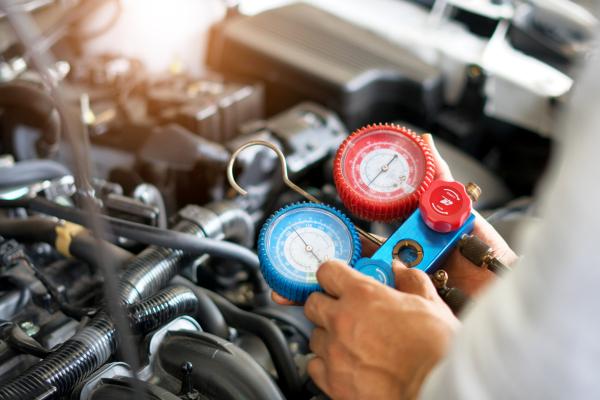
What Does High AC Pressure Mean in a Car?
Your AC system works by moving heat out of the cabin and releasing it outside the vehicle. Pressure naturally rises as the refrigerant absorbs heat. But if pressure increases beyond the safe range, something is preventing heat from escaping.
When the AC system runs under high pressure for too long:
- Cooling drops sharply
- The compressor is forced to work harder
- Temperatures rise under the hood
- Critical parts risk permanent damage
Most drivers notice “weak AC” long before high pressure reaches dangerous levels. The mistake is ignoring the early warning.
What Are the Common Symptoms of High AC Pressure?
High pressure is not a mystery. It has clear signs, and once you understand them, you’ll spot them early.
AC blows warm or hot air
If pressure is too high, the refrigerant cannot cycle properly. The system becomes overwhelmed, and cooling collapses.
AC compressor cycles on and off rapidly
This is one of the most common signs. High pressure forces the compressor to protect itself by shutting off before temperatures skyrocket.
Loud hissing or boiling sounds under the hood
High pressure pushes refrigerant through the system too forcefully. The sound often resembles boiling water.
AC clutch refuses to engage
When pressure is dangerously high, the compressor may not turn on at all.
Burning smell from the engine bay
Heat buildup from high pressure increases friction inside the compressor. The burning smell is the insulation on the windings or wiring heating up.
AC lines feel excessively hot
The high-pressure line becomes extremely hot to the touch — another sign that heat is trapped inside the system.
Drivers often misinterpret these symptoms, assuming the system “just needs more Freon.” But too much refrigerant can be the very reason pressure is rising.
Why Does Car AC Pressure Get Too High?
The public believes AC pressure rises because “the AC is working too hard.” But pressure rises because heat has nowhere to go. The problem is not effort — it is obstruction.
Here are the most common causes:
Overcharged system
Adding too much refrigerant is the simplest cause. More refrigerant means more pressure, more heat, and less cooling.
Blocked condenser airflow
The condenser sits in front of the radiator. It removes heat from the refrigerant. If it’s blocked by:
- dirt
- leaves
- bugs
- road debris
- a damaged grille
…the system cannot release heat.
Failing condenser fan
The condenser fan pulls air across the condenser. If it slows down or stops, heat remains trapped and pressure rises fast.
Internal blockage in the expansion valve
The expansion valve meters refrigerant into the evaporator. If it clogs, refrigerant backs up, and pressure spikes.
Moisture in the system
Moisture freezes inside the orifice tube or expansion valve, restricting refrigerant flow and increasing pressure.
Compressor failure
A weak compressor cannot properly circulate refrigerant. This creates heat pockets and pressure buildup.
Engine overheating
If the engine runs hot, airflow through the radiator and condenser weakens. The AC system suffers the consequences.
Dirty condenser fins
Even a thin layer of grime reduces heat transfer. San Antonio dust makes this more common.
Each cause affects pressure differently, but the result is the same: the AC loses cooling power, and the system strains under heat.
How Do You Diagnose High AC Pressure Correctly?
The biggest mistake drivers make is assuming the pressure gauge tells the whole story. Pressure is a symptom. The cause hides elsewhere.
Inspect the condenser for debris
A flashlight is often enough. If the condenser is covered in dirt or bugs, airflow is compromised.
Check the condenser fan
If the fan doesn’t spin with AC on, the pressure will rise quickly.
Check refrigerant levels
An overfilled system is the most common DIY mistake.
Inspect for kinks or crushed AC lines
A bent line restricts flow and creates a pressure bottleneck.
Test the expansion valve or orifice tube
Restrictions cause pressure buildup on the high side and starvation on the low side.
Look for signs of overheating
An overheating engine always affects AC performance.
Inspect compressor function
A failing compressor may not circulate refrigerant correctly.
Test for moisture contamination
Professional shops test for this using recovery machines and sight indicators.
A proper diagnosis prevents unnecessary part replacement and saves hundreds of dollars.
How Do You Fix High AC Pressure Safely?
You never “fix” high pressure directly. You fix what’s preventing heat from escaping.
Repair or replace the condenser fan
A dead fan is one of the most common causes of high pressure.
Clean or replace the condenser
A clogged condenser traps heat. Cleaning often restores function.
Remove excess refrigerant
If the system is overcharged, a shop can recover the excess.
Replace a clogged expansion valve
This restores proper refrigerant flow.
Remove moisture from the system
Moisture leads to ice blockages and pressure spikes. Professional equipment is required.
Repair damaged hoses or crushed lines
If the refrigerant cannot flow freely, pressure rises.
Fix overheating issues
A hot engine worsens AC pressure problems.
The best repair approach depends on the underlying cause — not the pressure reading.
How Do You Prevent High AC Pressure Long-Term?
Most pressure problems come from heat mismanagement. The solution is preventive care.
Keep the condenser clean
Even a thin layer of dirt reduces cooling efficiency.
Replace the cabin air filter regularly
A restricted filter forces the system to work harder.
Avoid adding refrigerant without diagnosis
Overcharging is the easiest way to overload the system.
Have AC performance checked yearly
Small problems show up long before they become expensive.
Address overheating immediately
If the engine runs hot, AC pressure follows.
Need Reliable AC Repair?
If your AC is blowing warm, cycling on and off, or showing signs of high pressure, now is the best time to fix it before the compressor is damaged. Call or book an appointment online with Ruben’s Auto Repair today.
Frequently Asked Questions
Why is my car’s AC pressure too high?
High pressure happens when heat gets trapped in the system. The most common causes are a blocked condenser, a failing condenser fan, or too much refrigerant.
What are normal AC pressures for a car?
Typical pressures vary by vehicle and temperature, but most systems run between 150–250 psi on the high side. Anything far above that signals a heat flow issue.
Can too much refrigerant cause high pressure?
Yes. Overcharging is one of the fastest ways to raise AC pressure and damage the compressor.
Why does my AC get warm when the car is stopped?
This often means the condenser fan has failed. Without airflow, pressure rises and cooling stops at idle.
Is it safe to drive with high AC pressure?
No. High pressure can cause compressor damage, blown hoses, or overheating. The issue should be fixed quickly.