
Your Land Rover isn’t just a vehicle—it’s an investment in safety, comfort, and performance. Whether you’re cruising through downtown San Antonio, climbing the hills near Helotes, or just getting from Stone Oak to your favorite BBQ spot, your vehicle depends heavily on one crucial element: the transmission fluid. Yet this essential maintenance task is often misunderstood or overlooked entirely.
Let’s change that. In this guide, we’ll explain what transmission fluid service means, why it matters to your Land Rover, and how to stay ahead of problems without overwhelming you with jargon.
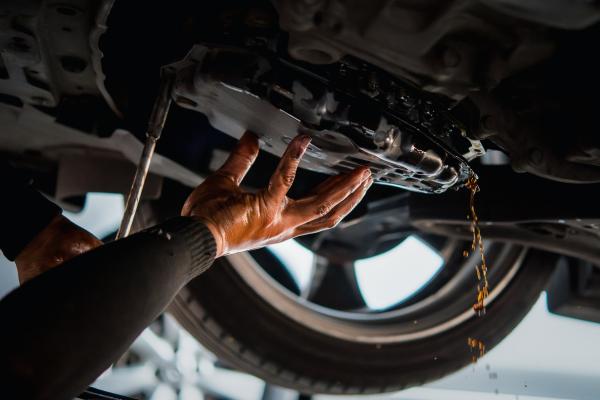
Understanding the Role of Transmission Fluid
Imagine trying to run a marathon without water. That’s what it’s like for a transmission running on old, degraded fluid. Transmission fluid plays a vital role by lubricating the gears, cooling the components, and helping shift gears smoothly. This fluid is under extreme pressure and high temperatures in newer Land Rovers, especially models with automatic transmissions.
As time passes and mileage builds, the fluid begins to degrade. It collects dirt, metal shavings, and heat-related byproducts, turning from a clean, reddish-pink liquid into a darker, thicker substance that struggles to do its job. This results in sluggish shifting, noisy gear changes, and eventual system wear.
In San Antonio, where summer temperatures can climb past 100°F and traffic snarls can push vehicles to idle for long stretches, fluid breaks down even faster. High heat accelerates oxidation, so San Antonio drivers need to pay closer attention to their transmission fluid condition than drivers in milder climates.
How Often Should You Replace the Fluid?
While many manufacturers promote “lifetime fluid,” the reality is more nuanced. For most Land Rover models, replacing the transmission fluid every 30,000 to 60,000 miles is a good practice. However, this isn’t a one-size-fits-all rule. If you drive frequently in city traffic, tow trailers, or take occasional off-road trips around South Texas, your transmission will wear faster, and the fluid will degrade sooner.
Your Land Rover’s service manual is a helpful reference, but your driving habits and the local environment are equally important. San Antonio drivers often experience high-stop, low-speed conditions, which means more shifting and more heat.
Warning Signs That Service Is Overdue
Your vehicle often sends signals before things go wrong. The trouble is, many drivers dismiss early warning signs until it’s too late.
Have you noticed your Land Rover hesitating when shifting gears? Do you hear a faint whining or clunking noise during acceleration? Maybe the dashboard briefly displayed a transmission temperature warning. These symptoms might seem minor, but they’re often early signs of worn-out fluid.
When transmission fluid breaks down, it becomes less effective at lubricating components and maintaining hydraulic pressure. This leads to jerky shifting, reduced fuel efficiency, and increased wear on internal parts. Eventually, the transmission could overheat or fail entirely, resulting in a repair bill that can reach well into the thousands.
Why DIY Transmission Fluid Service Isn’t Recommended
Some car maintenance tasks are DIY-friendly, but transmission fluid replacement is usually not one of them, especially on a Land Rover.
First, most modern Land Rover models don’t have a traditional dipstick. Instead, they require a special scan tool to check temperature and fluid level during refilling. The system must also be bled and refilled in a particular sequence. If done improperly, it can result in improper fluid levels or even damage to the transmission.
Secondly, not all fluids are compatible. Using an incorrect or generic fluid might save a few dollars up front, but it could damage the transmission’s sensitive internal components.
Real-World Case Study: 2017 Land Rover Discovery Sport
Let’s look at a real example to understand the process and importance of transmission fluid service. A 2017 Land Rover Discovery Sport with 58,000 miles came into the shop. The owner, who commutes daily from Stone Oak to downtown San Antonio and occasionally drives out to Bandera, had noticed the transmission shifting more aggressively, especially when accelerating from a stop.
The technicians began by performing a diagnostic scan. This revealed that the fluid temperature spiked faster than usual, indicating that it had lost its cooling efficiency. When they drained the fluid, it turned dark brown with a burnt odor. That’s a red flag. A clean sample should appear bright pink or red and smell neutral.
Next, they removed the transmission pan and found fine metallic particles on the magnetic drain plug. This is expected after years of driving, but it also confirms that wear was occurring. After replacing the fluid with factory-recommended synthetic fluid, cleaning the pan, and replacing the transmission filter, the technician ran a pressure and temperature test.
Post-service, the Discovery Sport was test-driven across surface streets and the I-10 expressway. Gear shifts were smooth, acceleration was crisp, and the transmission temperature remained stable under load.
The customer returned two weeks later for a follow-up. He reported better throttle response, quieter operation, and a slight boost in fuel efficiency.
Why Preventive Service Saves You Thousands
Delaying transmission fluid service is one of the costliest mistakes a vehicle owner can make. A complete transmission rebuild or replacement can cost anywhere from $5,000 to $8,000, depending on your model and the severity of the damage. In contrast, a fluid replacement—including cleaning the pan and changing the filter—typically costs a few hundred dollars.
The financial logic is clear: a small investment protects your vehicle’s most sensitive system today. It also extends your Land Rover’s lifespan and ensures it maintains value, whether you’re trading it in or passing it on.
What Makes San Antonio Driving Especially Demanding
Local conditions matter. San Antonio’s urban congestion and high outdoor temperatures create the perfect storm for transmission stress. On any given day, a Land Rover might idle in traffic on Loop 410, climb elevations around Leon Valley, or take a long highway drive in 98°F weather.
Every scenario puts pressure on the transmission. Heat is the number one cause of transmission fluid breakdown. The hotter the fluid, the quicker it oxidizes and loses its protective qualities.
Because of this, local drivers should err on the side of caution. Instead of waiting for problems, consider a fluid inspection around the 30,000-mile mark. A technician can sample the fluid and check for discoloration, odor, and viscosity.
When and Where to Book Your Service
If you notice slipping gears, odd noises, or even a faint burning smell after long drives, it’s time for a checkup. Even if you’re just approaching the 30,000-mile point, booking a fluid inspection now can save you a significant headache.
To protect your investment and ensure your Land Rover performs like new, schedule a service with Ruben’s Auto Repair. Their certified technicians understand the unique needs of Land Rover transmissions and use manufacturer-approved equipment and fluids to get the job done right.
Frequently Asked Questions
- Can I check the transmission fluid at home?
No. Most modern Land Rovers lack a traditional dipstick. Transmission fluid must be checked at a specific temperature using diagnostic equipment to ensure proper level. - How long does the service take?
Plan for 2 to 3 hours, depending on your vehicle and whether filter and pan cleaning are included. - What does healthy transmission fluid look like?
New or healthy fluid is usually bright red or pink and has a neutral smell. Burnt or dark fluid is a warning sign. - Will I notice an improvement right away?
Yes. After a proper fluid change, many drivers report smoother gear shifts, reduced noise, and more stable performance, especially in heat or traffic.
Is a full flush better than a drain-and-fill?
It depends. A full flush removes more old fluid but can be too aggressive for older systems. A drain-and-fill is safer for high-mileage vehicles but may leave behind some old fluid.