You’re on the road in San Antonio, maybe heading up I-10 or stuck in slow traffic along Loop 410. Suddenly, you notice your Land Rover’s temperature gauge creeping into the danger zone. Before you know it, steam rises from the hood. Engine overheating isn’t just inconvenient—it’s a sign that something’s not working under the surface. And in the Texas heat, you don’t have time to second-guess.
Overheating engines are more than just a temporary hassle. Left unchecked, they can cause warped cylinder heads, blown gaskets, or full engine failure. This guide breaks down exactly what’s happening, what causes it, and most importantly, what to do about it—without overwhelming you with technical jargon.
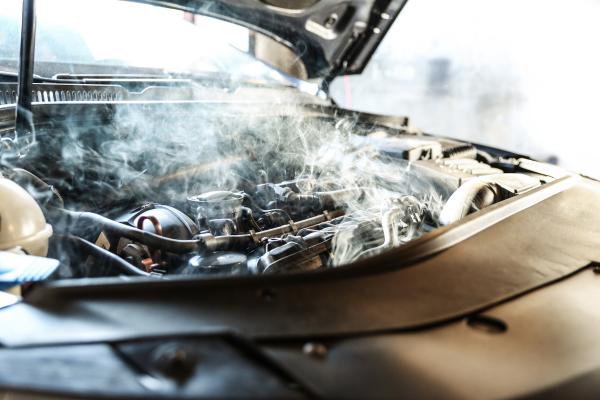
Why Do Land Rovers Overheat?
A Land Rover engine produces a lot of power, and with that comes a lot of heat. The cooling system—the radiator, thermostat, water pump, coolant, fans, and hoses—is responsible for pulling heat away from the engine. Hence, it runs at a safe temperature. When even one part of that system fails or struggles, the temperature can spike fast.
In a place like San Antonio, where outdoor temperatures often hit triple digits, the system has to work even harder. That’s why local drivers are more likely to face overheating issues than someone in a cooler climate. Whether it’s old coolant that can’t absorb heat, a stuck thermostat, or a cracked hose leaking fluid, it all leads to the same problem: your engine gets too hot, too fast.
Common Triggers and Hidden Issues
It’s easy to assume the radiator is always to blame, but overheating can come from many issues that often work together. Let’s say your coolant is old or diluted. That weakens the system. Now add a worn-out thermostat that doesn’t open all the way. Coolant can’t circulate, and the temperature rises. In another scenario, your electric fans stop working. Without airflow, even a brand-new radiator won’t help when you’re stuck in traffic.
Even tiny things like a loose radiator cap or air bubbles trapped in the system can disrupt the pressure needed to keep coolant moving properly. One small problem can snowball into a major repair if it’s not addressed early.
Real Case Study: 2015 Land Rover LR4 in Alamo Heights
A Land Rover LR4 came into the shop after the driver noticed steam coming from the hood while idling at a stoplight near The Quarry. The vehicle had just passed 70,000 miles.
Step 1: Visual Inspection and Scan
Technicians opened the hood and saw evidence of dried coolant around the reservoir. A diagnostic scan showed the coolant temperature sensor reading abnormally high.
Step 2: Pressure Test
They pressurized the cooling system and found a slow leak at the lower radiator hose clamp. Though small, this was causing fluid loss and air intrusion.
Step 3: Thermostat Check
They removed and tested the thermostat. It was sticking slightly, causing inconsistent coolant flow.
Step 4: Solution
The shop replaced the hose clamp, thermostat, and performed a complete coolant flush using Land Rover-approved fluid. They then bled the system carefully to remove air pockets and retested with a scan tool.
Step 5: Road Test
The LR4 was driven at both city and highway speeds. Temperature remained stable throughout. The driver returned after one week and reported no further issues.
This fix may seem simple, but it highlights how important it is to catch and correct multiple small issues before they combine into a bigger failure.
The Role of Regular Maintenance
One of the easiest ways to avoid engine overheating is to stay on top of routine inspections. Coolant should be replaced every 3 to 5 years or 30,000 to 50,000 miles, depending on your model. Radiator hoses should be soft but not squishy, and any swelling or cracking is a red flag. The thermostat and water pump should be inspected at regular intervals or when you replace the timing belt.
In San Antonio, you also deal with environmental stressors that accelerate wear. Heat, dust, and stop-and-go driving create the perfect conditions for your cooling system to degrade faster. That’s why it’s not enough to rely on manufacturer recommendations. You have to consider where and how you drive.
Overheating While Driving: What to Do Right Away
If your temperature gauge climbs and you smell hot coolant, take action immediately. Don’t wait for steam or warning lights. Pull over safely and turn off the engine. Driving with an overheating engine can cause permanent damage in just minutes.
Let the engine cool down before checking the coolant reservoir. Never remove the cap while it’s hot. If coolant is low, that might be the issue—but don’t refill it until the engine is completely cooled. Then, call a shop or get a tow. Restarting the vehicle without solving the issue will only make things worse.
The Right Repairs Start with the Right Diagnosis
Throwing parts at the problem doesn’t work. Fixing an overheating engine requires knowing exactly what failed and why. A quality technician will look at the entire system, not just the obvious symptoms. That includes checking:
- Coolant condition and level
- Radiator and reservoir for leaks
- Fan function and fuse connections
- Thermostat operation
- Water pump for wear or failure
- Sensor readings using scan tools
Each of these systems plays a role, and the correct fix comes from understanding how they work together. Incomplete repairs often lead to recurring issues.
Why This Matters More in San Antonio
The brutal summer heat in South Texas makes engine temperature management even more critical. If your cooling system is strained, a 102°F day could be the tipping point. Add long idle times during traffic or uphill drives through Terrell Hills, and your Land Rover doesn’t get a break.
Being proactive in a hot climate isn’t just smart—it’s necessary. Many overheating issues start months before symptoms appear. By the time steam shows up, you’ve already lost time, money, and possibly long-term engine health.
When to Call for Help
If your Land Rover has overheated more than once, or you’re topping off coolant often, it’s time for a deeper look. A proper inspection can identify leaks, pressure problems, or worn components before they fail.
To ensure your engine runs cool in the San Antonio heat, book a cooling system service with Ruben’s Auto Repair. Their experienced technicians understand how to pinpoint problems before they cause lasting damage.
Frequently Asked Questions
- Can I still drive my Land Rover if it overheated once but seems fine now?
It’s risky. Even one overheating incident can cause hidden damage. Have it inspected to rule out leaks, gasket failure, or warped components. - What kind of coolant should I use?
Always use Land Rover-approved coolant. Generic types may not provide the right protection or could damage seals. - Is replacing the radiator always necessary?
Not always. Many overheating problems are due to hoses, thermostats, or fans. A full system inspection will reveal if the radiator is the culprit. - How do I know if my thermostat is bad?
Symptoms include fluctuating engine temperatures, slow warm-up, or heat not working inside the cabin. Testing is required to confirm.
Does San Antonio’s weather affect engine cooling?
Yes. High temperatures, especially in stop-and-go traffic, make it harder for the cooling system to work efficiently. It shortens the lifespan of the coolant and other components.