If your Land Rover suddenly leans to one side, rides like a brick, or flashes a dashboard warning about “suspension fault,” don’t panic—you’re not alone. Air suspension systems are one of the defining features of Land Rovers, giving you smooth rides across city potholes and off-road trails alike. But when they fail, they can turn your luxury SUV into a bouncy nightmare. San Antonio drivers deal with intense heat, uneven terrain, and stop-and-go traffic that can all stress this delicate system. Knowing how to troubleshoot these issues early can help you avoid expensive breakdowns.
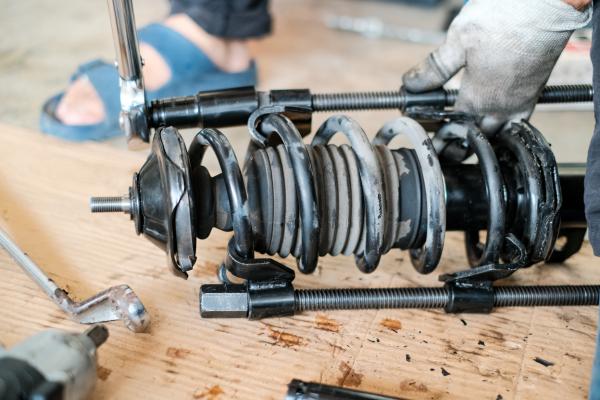
Understanding How Land Rover Air Suspension Works
Think of your air suspension like a set of lungs for your vehicle. Instead of using traditional coil springs, Land Rovers use inflatable rubber airbags that expand and contract to adjust the height and softness of your ride. These airbags are controlled by a central electronic air compressor and a set of ride height sensors. When everything works, your SUV glides over speed bumps like it’s floating. When something breaks, it sags, slams, and struggles.
Signs of Air Suspension Failure
Several symptoms can tip you off that your air suspension is struggling:
- One corner of your vehicle sits lower than the others
- You hear the compressor running constantly or not at all
- The vehicle drops overnight or after parking for a few hours
- A “Suspension Fault” warning appears on the dashboard
- The ride becomes unusually stiff or bouncy
These signs can start subtly and worsen over time. Left unaddressed, a small air leak or sensor glitch can spiral into a full suspension collapse.
Common Causes of Land Rover Suspension Issues
Air Leaks
Just like a balloon with a pinhole, the rubber air springs can develop leaks due to age, heat exposure, or dry rot. San Antonio’s extreme summer temperatures can speed up this wear.
Compressor Failure
The air compressor fills the air springs with pressurized air. If it overworks due to a leak or just gets too old, it may burn out, leaving the system unable to adjust ride height.
Faulty Sensors
Ride height sensors tell the system how much to inflate or deflate the bags. A damaged or misaligned sensor can send the wrong signals, causing uneven suspension behavior.
Valve Block Malfunctions
These distribute air to each corner of the vehicle. If clogged or broken, one side may inflate while the other stays flat.
Electrical Issues
Corroded wires, blown fuses, or failed control modules can cause communication problems in the system.
Step-by-Step Troubleshooting Process
Step 1: Visual Inspection
Start by walking around your Land Rover and noting which corner, if any, appears lower than the others. Look for cracked air springs or uneven wheel gaps. If your vehicle drops overnight, that’s a sign of a slow leak.
Step 2: Listen to the Compressor
Turn the ignition on and listen. If the compressor runs constantly or doesn’t turn on at all, it’s likely part of the issue. A constant hum may mean it’s compensating for a leak. Silence could mean burnout.
Step 3: Scan for Error Codes
Use an OBD-II scanner to check for stored error codes. Codes like C1A20 (pressure increases too slow) or C1131 (air spring leak detected) can help pinpoint what’s going wrong.
Step 4: Spray for Leaks
Mix soap and water in a spray bottle and apply it to the air spring surfaces while the system is running. Bubbles will form where air escapes. Don’t forget to inspect fittings and valves.
Step 5: Test Ride Height Sensors
With the vehicle on a lift or flat surface, inspect each sensor for damage or loose connections. Any irregularities could throw off the entire system.
Real-Life Case Study: John’s Range Rover Sport Woes
John, a business consultant in San Antonio, started noticing his 2016 Range Rover Sport leaning to one side. At first, it was minor, but over the next few weeks, his SUV began riding harshly, and a suspension fault warning appeared. He took it to a general mechanic who replaced the air compressor, but the problem returned within days.
Eventually, John visited a specialist who found a leak in the rear left air spring and a failing ride height sensor on the opposite corner. The combination confused the system into thinking the vehicle was level. After replacing both parts and recalibrating the sensors, the SUV was back to riding smoothly.
What this means for you: Suspension problems can have more than one cause. Always check multiple components before replacing parts. Fixing only the symptom will cost you more in the long run.
DIY Fixes vs. Professional Repair
Some simple tasks, like checking for leaks or replacing fuses, can be done at home. But suspension diagnostics often require specialized tools and software. Air compressors, control modules, and sensor calibrations are best left to trained technicians. Making the wrong repair can create new issues or worsen old ones.
If you’re not sure or don’t have access to the right tools, it’s better to seek expert help. Ruben’s Auto Repair in San Antonio offers complete diagnostics and repairs for Land Rover suspension systems. Call them to book an inspection and save your ride from more serious damage.
Frequently Asked Questions (FAQs)
- Why is my Land Rover leaning when parked?
This usually means there’s a slow leak in one of the air springs or a valve block issue. Overnight sagging is a classic sign of air loss. - Is it safe to drive with a suspension fault warning?
Short-term driving is possible but risky. Your ride height and control are compromised. Long-term use can damage other components like tires and bushings. - Can I replace just one air spring?
You can, but it’s not always ideal. Replacing in pairs (left/right or front/rear) ensures balanced ride quality and prevents uneven wear. - How much does it cost to fix Land Rover air suspension?
Repairs range from $200 for sensor replacements to over $2,000 for full system overhauls. Early detection and fixing small leaks can save you hundreds.
Are aftermarket suspension parts okay for Land Rovers?
Some are fine, but quality varies. OEM or high-quality aftermarket parts are recommended to match performance and durability.