
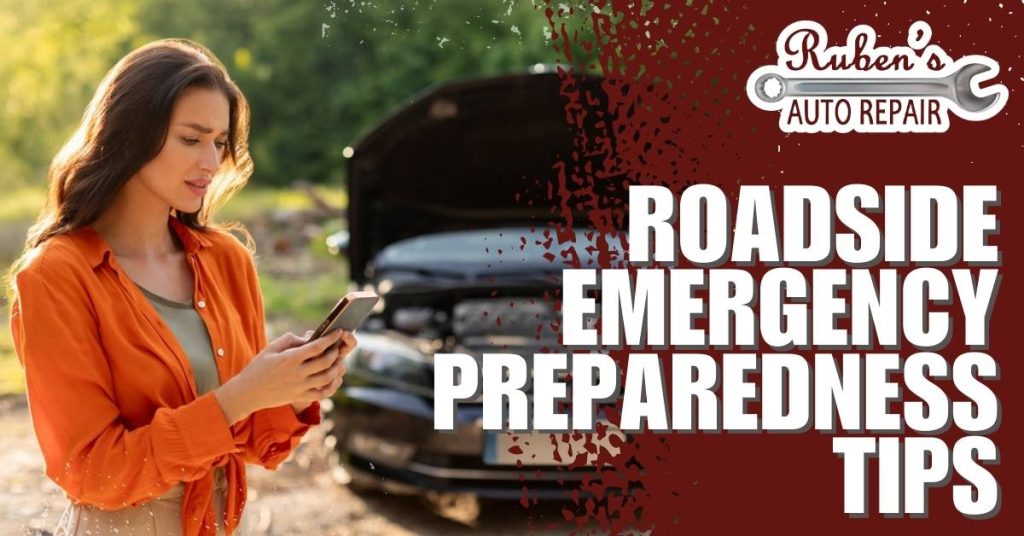
Imagine you’re on a road trip with your family, excited about the adventure ahead. Suddenly, your car starts making strange noises and comes to a stop on the side of the road. This situation can be scary, but if you’re prepared, it doesn’t have to be dangerous. Let’s talk about how to get ready for roadside emergencies and what to do if one happens.
Why Roadside Emergency Preparedness Matters
Did you know that in the United States, over 69 million vehicle breakdowns happen every year? That’s a lot of cars! Being prepared for a roadside emergency isn’t just about convenience; it’s about safety. When you’re ready for the unexpected, you can keep yourself and your family safe until help arrives.
Creating Your Roadside Emergency Kit
Think of a roadside emergency kit as a superhero toolbelt for your car. It has all the things you might need if your car breaks down or you get stuck somewhere. Here’s what you should include in your kit:
Safety Items
Your kit should have things that make you visible to other drivers. This includes reflective triangles or flares. These are like bright signs that tell other cars, “Hey, be careful! There’s a stopped car here!” You should also have a reflective vest to wear if you need to get out of your car.
Basic Tools
Include some simple tools like a screwdriver, pliers, and an adjustable wrench. These can help you fix small problems or tighten loose parts. Also, don’t forget duct tape! It’s like a magic fixer for all sorts of temporary repairs.
Jumper Cables
Sometimes, car batteries die. Jumper cables let you connect your car’s battery to another car’s battery to get yours working again. It’s like giving your car a energy boost!
First Aid Kit
This is for taking care of any small injuries. Make sure it has band-aids, antiseptic wipes, and any medicines you or your family might need.
Food and Water
Pack some snacks that don’t go bad easily, like energy bars. Also, include bottled water. If you get stuck for a while, you’ll be glad to have something to eat and drink.
Blanket and Extra Clothes
If you break down in cold weather, you’ll want to stay warm. A blanket can help with that. Extra clothes are good too, especially if you need to change a tire or work on your car.
Preparing Your Car for the Road
Having an emergency kit is great, but taking care of your car can help prevent emergencies in the first place. Here’s how to keep your car in good shape:
Regular Check-ups
Just like you go to the doctor for check-ups, your car needs check-ups too. Bring your car to a mechanic regularly to ensure it’s running smoothly and performing at its best. They can check things like your brakes, oil, and tires.
Keep Your Gas Tank Full
Try to keep your gas tank at least half full all the time. This way, if you get stuck in traffic or lost, you won’t run out of gas. It’s like making sure your phone is charged before a long day – you don’t want to run out of power when you need it!
Check Your Tires
Your tires are super important. They’re the only part of your car that touches the road! Make sure they have enough air and that the treads (the grooves on the tire) aren’t too worn down. Good tires help your car grip the road better, especially in rain or snow.
What to Do in a Roadside Emergency
If you do have a problem on the road, here’s what to do:
Get to Safety
If your car is having trouble, try to pull over to the side of the road. Get as far away from traffic as you can. If there’s an exit or parking lot nearby, that’s even better. Remember, your safety is more important than your car!
Make Yourself Visible
Turn on your hazard lights – these are the blinking lights that tell other drivers something is wrong. If it’s safe to do so, put out your reflective triangles or flares. This helps other drivers see you and slow down.
Stay with Your Car
Unless it’s not safe to do so, stay in your car with the doors locked. Your car protects you from other vehicles and the weather. If someone stops to help, talk to them through a closed window. If they’re really there to help, they’ll understand why you’re being careful.
Call for Help
Use your cell phone to call for help. This might be a roadside assistance service, a tow truck, or the police if it’s an emergency. Give them your exact location – look for mile markers or signs that can help describe where you are.
Keep Yourself Safe
While you wait for help, stay buckled up in your car. If you need to run the engine to stay warm, make sure your exhaust pipe isn’t blocked by snow or mud. This prevents dangerous gases from building up inside your car.
Conclusion
Being prepared for a roadside emergency is like being a scout – always ready! By having the right tools, taking care of your car, and knowing what to do if something goes wrong, you can turn a scary situation into a manageable one. Remember, the goal is to stay safe until help arrives. With these tips, you’ll be ready for whatever the road throws at you!
Frequently Asked Questions (FAQs)
- How often should I check my roadside emergency kit?
Check your kit at least twice a year. Replace any expired items and make sure everything is in good working condition. - What should I do if my car breaks down on a busy highway?
If possible, pull over to the right shoulder as far as you can. Activate your hazard lights and remain in your vehicle with your seatbelt fastened until assistance arrives. - Is it safe to accept help from strangers during a roadside emergency?
It’s best to be cautious. If someone offers help, thank them but say you’ve already called for assistance. Only accept help from official sources like police or roadside assistance services. - How can I signal for help if my cell phone doesn’t work?
Raise your car’s hood and tie a white cloth to the antenna or place it out the window. This is a universal sign for “help needed.” - What’s the most important item to have in a roadside emergency kit?
While all items are important, a fully charged cell phone is crucial. It allows you to call for help and let loved ones know your situation.