
A vehicle electrical system requires steady voltage to power digital components safely. Prolonged idling at busy South Texas intersections places a massive load on the charging circuit. When your dashboard displays a rhythmic or sudden flicker, the vehicle is warning you of a brewing underhood electrical failure.
Medical District Traffic Demands and Alternator Output Drop
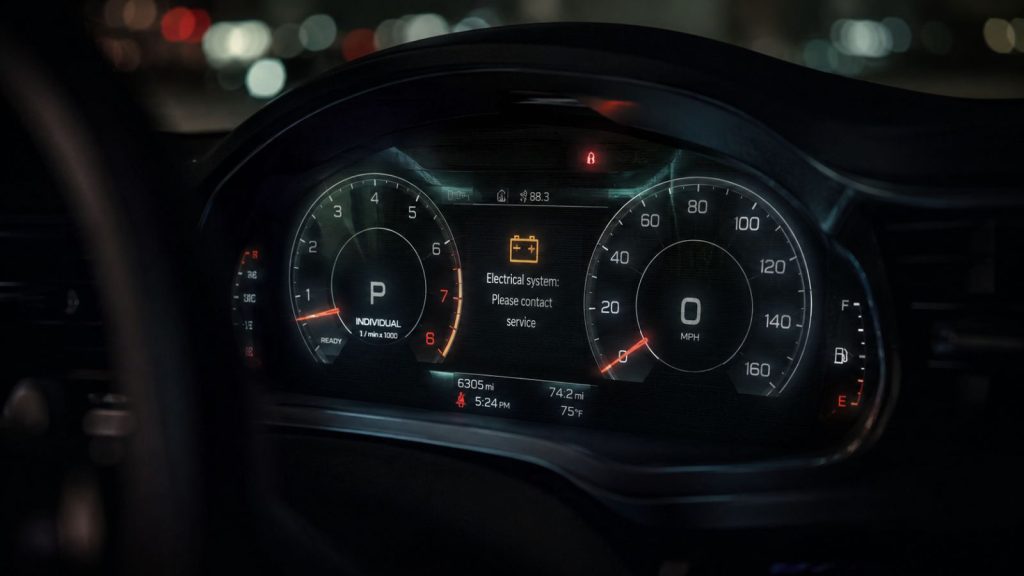
Stop-and-go traffic strains local charging systems. Summer pavement temperatures reach extreme levels in South Texas. When idling for minutes at a time, your engine compartment lacks fresh incoming airflow. The alternator relies heavily on forward vehicle movement to pull cool ambient air through its internal cooling fins.
In vehicles we service from the South Texas Medical Center District, we consistently find battery and alternator failures peaking during June shift-change traffic. The prolonged idling cycles mean the engine turns at a low revolution rate. At low engine speeds, the alternator produces significantly fewer total amperes. If your air conditioner is running on maximum, the vehicle electrical demand can easily outpace the system supply.
When the electrical load exceeds what the alternator can supply, the vehicle pulls reserve energy directly from the battery. This creates a temporary low-voltage condition that triggers a visible dashboard flicker. The sensitive computers behind your instrument cluster require stable power. If system voltage drops below a specific electronic limit, the digital display struggles to stay illuminated.
Under heavy stress, internal alternator components face permanent thermal breakdown. The copper wire windings inside the unit expand as temperature levels climb past 160°F. This high heat signature increases natural electrical resistance, forcing total power output to drop by 15 to 20%. The drop happens right when dual radiator cooling fans kick on to fight the summer heat. Diagnostic Verdict. Digital multimeter readings dropping below 12.6 volts at hot idle confirm an overtaxed charging circuit.
Underhood Heat Soak Wrecks Alternator Diode Efficiency
Alternator diodes convert alternating current into usable direct current. These small semiconductor gates are highly sensitive to extreme operating temperatures. When heat soak builds up during a traffic delay, the internal diodes begin to leak unrectified current into the vehicle wiring. This electrical leakage disrupts the steady flow of clean energy.
Many parts store testers show an alternator is good because they test the unit while it is cold. In San Antonio heat, what we actually measure is a different reality. A component can pass a brief bench test but fail completely after 20 minutes of real-world heat soak. The diodes lose their gating efficiency only after reaching full operational temperature under a heavy electrical load.
The unrectified power leaking past a failing diode is known as AC ripple voltage. This raw electrical interference travels through the main power distribution lines directly to your interior fuse block. Digital instrument screens react immediately to this background interference by dimming or pulsating rhythmically. Ignoring this symptom places your powertrain control module at risk of a sudden software lockup. Diagnostic Verdict. Oscilloscope patterns showing AC ripple exceeding 50 millivolts indicate internal diode destruction.
How Technicians Diagnose Low Voltage Fluctuation at Prolonged Idle
Isolating an intermittent dashboard flicker requires an organized testing process. We begin by assessing the battery condition to ensure it can hold a normal surface charge. A weak cell inside the battery absorbs excessive current, which starves the rest of the vehicle during an idle cycle. We utilize electronic conductance testers to verify the internal structural health of the plates.
After 25 years of servicing electrical systems in Bexar County, the consistent finding is that heat-soaked ground straps cause more cluster flickers than actual component failures. The main grounding cables connect the heavy engine block directly to the sheet metal frame. Over time, high local humidity causes aluminum oxidation and copper corrosion to build up inside the terminal eyelets. This hidden corrosion creates an electrical barrier that limits current flow back to the battery.
To locate these hidden restrictions, our technical team performs a dynamic voltage drop test while the engine is running. We place digital meter leads on opposite ends of the grounding circuit to measure lost electrical pressure. Any resistance in the circuit forces the voltage to look for alternative pathways through small interior ground wires. This diversion is what causes accessory displays to malfunction. Diagnostic Verdict. Voltage drop measurements exceeding 0.2 volts across the ground circuit require immediate cable replacement.
| System Component Under Test | Safe Target Voltage Reading |
| Alternator Output (Hot) | 13.8 to 14.4 Volts DC |
| Battery Reserve (Engine Off) | 12.6 to 12.8 Volts DC |
| Main Ground Circuit Loss | Less than 0.2 Volts DC |
| Alternator AC Ripple Leak | Less than 50 Millivolts AC |
Measuring AC Ripple Voltage and Ground Strap Resistance
Testing for ripple voltage requires a specialized digital diagnostic scope. Standard handheld meters often average out the readings, missing the tiny millivolt spikes that disrupt vehicle computers. We connect the test leads directly to the alternator output terminal while turning on the headlights, blower motor, and rear defroster. This step ensures we mimic the exact strain of a Medical Center traffic delay.
If the scope display reveals a jagged, irregular waveform, the internal rectifying bridge is failing to clean the power. We then track the physical resistance of the individual wiring harnesses using a dedicated micro-ohmmeter. Clean connections should show nearly zero resistance across the metal joining faces. If we find grease or dirt contamination, we disassemble the junction entirely.
Our team cleans every contact point down to bare, shiny metal before applying a protective layer of dielectric compound. This specialized grease seals out moisture without blocking the vital flow of current. Taking these extra mechanical steps ensures your dashboard stays bright even during long idles. Diagnostic Verdict. A jagged waveform on the scope screen confirms the need for alternator assembly replacement.
Dashboard Flicker vs. Blown Cluster Fuse Symptoms
Drivers sometimes mistake an intermittent voltage flicker for a standard blown fuse. A fuse is a simple sacrificial link designed to protect a circuit from an electrical short. When a fuse fails, the circuit opens permanently and cuts all power immediately. The dashboard display will go dark and remain unlit until the component is replaced.
- A failing alternator diode causes a rhythmic pulse or dimming pattern that changes with engine speed.
- A loose chassis ground strap produces random flickers when driving over rough pavement or bumps.
- A failing battery cell causes the dashboard to dim significantly only when you press the brake pedal.
- A failing ignition switch causes the entire cluster to reset or drop out completely for several seconds.
An intermittent flicker means the circuit is still complete but suffers from unstable pressure. If your dashboard dims only when the radiator fan activates, the system is struggling with total capacity. A blown fuse will never cause a temporary dimming or pulsating effect. Checking these subtle differences helps our team narrow down the root mechanical cause quickly. Diagnostic Verdict. A completely dark cluster with an intact fuse indicates a main power feed interruption.
Westover Hills and Leon Valley drivers noticing dashboard flicker at Medical Center red lights on Fredericksburg Road or Wurzbach Pkwy can schedule an alternator and charging system diagnostic with Ruben’s Auto Repair, 7210 Polar Bear, San Antonio, TX 78238, at (210) 647-1148, before AC ripple voltage or ground strap corrosion advances to a no-charge condition on the Medical Center commute.
Frequently Asked Questions
Do long traffic lights in the Medical Center cause alternator failure?
Yes, prolonged idling in high heat reduces cooling airflow and forces the alternator to work at maximum capacity.
What is the minimum voltage needed to stop a dashboard from flickering?
The minimum voltage needed to stop a dashboard from flickering is 13.8 volts across the charging system under full accessory load, while the absolute structural floor at the instrument cluster itself is 12.6 volts.