
Your Land Rover’s turbocharger gives you power, speed, and efficiency—especially when climbing the hills west of San Antonio or cruising through Loop 1604. But what many drivers don’t realize is that the turbo doesn’t last forever without care. Just like lungs need clean air to function, your turbo needs clean oil, cool temperatures, and unrestricted airflow to breathe.
When neglected, a failing turbo can turn a $200 maintenance job into a $3,000 replacement. Knowing how to care for this small but mighty part of your engine can save you serious money and stress down the road.
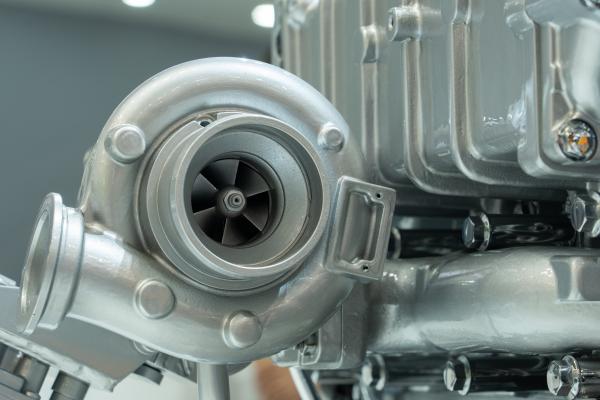
What Does a Turbocharger Do, Anyway?
Think of a turbocharger as a supercharger’s more efficient cousin. It reuses your engine’s exhaust gases to spin a turbine. That turbine compresses the air that’s sent back into the engine. More air means more power—and better fuel economy.
It’s like forcing more oxygen into a runner’s lungs. They’ll run faster with less effort. But if that air is hot, dirty, or not flowing correctly, the runner tires quickly. Your turbo behaves the same way.
Why San Antonio Conditions Accelerate Turbo Wear
Turbochargers hate three things: heat, dirt, and oil starvation. Unfortunately, San Antonio delivers all three in heavy doses:
- Hot Weather: Prolonged heat during summer months increases the risk of oil breakdown, which leaves turbo parts unprotected.
- Dusty Roads: Dirt and debris from rural outskirts and Hill Country trails can clog your air intake and damage turbo blades.
- Stop-and-Go Traffic: Constant braking and accelerating strain your turbo more than steady highway speeds do.
In this climate, it’s not just about mileage. It’s about how and where you drive.
Key Turbo Maintenance Practices Every Driver Should Know
If you want your Land Rover’s turbo to last well over 100,000 miles, focus on these essential habits:
1. Use High-Quality Synthetic Oil
Your turbo spins at over 200,000 RPM. That’s faster than a dentist drill. It relies on a steady flow of clean, high-grade oil for cooling and lubrication. Always follow Land Rover’s oil spec recommendations, and never delay oil changes—especially during peak summer.
2. Change Air Filters Regularly
A dirty air filter restricts airflow. When the turbo can’t breathe properly, it works harder, increasing wear. San Antonio’s dusty outskirts can clog filters faster than you think.
3. Let the Engine Warm Up and Cool Down
Give your engine at least 30–60 seconds to warm up before driving aggressively. After long or spirited drives, let the engine idle for a minute before shutting it off. This allows the turbo to cool, preventing oil from burning inside the unit.
4. Watch for Warning Signs
A failing turbo doesn’t hide forever. Whining noises, thick smoke, sluggish acceleration, or excessive oil loss are early signs that something’s off. Don’t ignore them.
5. Stick to Scheduled Maintenance
Turbochargers are robust—but only if they’re maintained. Follow your Land Rover’s factory intervals for oil, filter, and coolant service. If you tow, off-road, or drive in hot traffic, consider more frequent checks.
Common Turbo Issues in Land Rovers
San Antonio drivers report several recurring turbo-related problems, including:
- Wastegate Sticking: When the valve controlling boost pressure fails, you lose power and fuel economy.
- Oil Contamination: Old or dirty oil can clog the turbo’s narrow oil passages, leading to overheating or bearing failure.
- Boost Leaks: Cracks or loose clamps in hoses can cause pressure loss, triggering limp mode or check engine lights.
Left untreated, these minor issues can lead to major turbo failures—especially in models like the Range Rover Evoque or Discovery Sport.
Case Study: Turbo Failure on a Land Rover Evoque in San Antonio
Driver: Jacob, a real estate agent from Stone Oak
Vehicle: 2018 Range Rover Evoque
Mileage: 87,000
Driving Habits: Daily stop-and-go driving and weekend trips to the Hill Country
Step-by-Step Breakdown:
- Problem Starts: Jacob noticed sluggish acceleration and occasional black smoke from the tailpipe.
- Diagnosis: A quick scan revealed an underboost code. Ruben’s Auto Repair found a clogged oil feed line and worn turbine shaft.
- Cause: Jacob had been stretching oil changes past 10,000 miles during the hot summer months.
- Solution: Turbo was replaced, oil feed system flushed, and synthetic oil added. Jacob was advised to shorten oil intervals to every 6,000 miles.
- Outcome: The Evoque regained power and responsiveness. Jacob now keeps up with his maintenance to avoid future breakdowns.
This real-world example shows how minor neglect in San Antonio’s climate can cause major headaches if you’re not paying attention to your turbocharger.
Why Ignoring Turbo Maintenance Costs You More
Turbo replacement isn’t cheap. Labor-intensive repairs, combined with part costs, can range between $2,000 to $4,000—and that doesn’t include collateral damage to pistons or valves if debris enters the engine.
Compare that to the $150–$250 cost of a regular oil service with turbo inspection. Preventive care is your cheapest insurance policy.
How to Extend Turbo Life Without Complicated Tools
Even if you’re not a gearhead, you can protect your turbo with three simple actions:
- Use the right oil and change it on time.
- Avoid full throttle until your engine is warm.
- Idle for a minute after hard driving.
These small habits can add tens of thousands of miles to your turbo’s lifespan.
Debunking Turbo Myths
Myth 1: “My turbo is sealed, so I don’t need to worry about it.”False. The turbo relies on your engine oil and air system—two things you do control.
Myth 2: “Driving hard cleans the turbo.”
Not exactly. While spirited driving can prevent carbon buildup, doing so without warm-up or cooldown routines accelerates wear.
Myth 3: “Turbo failure is sudden.”
Not usually. Most turbo issues develop slowly. Paying attention to early signs gives you time to fix the problem before it becomes expensive.
Custom Maintenance Plans for San Antonio Drivers
Every Land Rover driver in San Antonio experiences different stressors—some tow boats to Canyon Lake, while others navigate crowded downtown streets. Custom maintenance based on your habits is key.
- If you off-road frequently, have your turbo inspected every 10,000 miles.
- If you sit in daily traffic under the Texas sun, shorten oil change intervals.
- If you tow trailers or drive in mountainous terrain, upgrade to high-shear synthetic oil.
Need Turbo Maintenance Help?
If your Land Rover is showing signs of turbo wear or you simply want to keep it in top shape, reach out to Ruben’s Auto Repair to schedule a check-up. Their team understands the unique turbocharger needs of San Antonio drivers and can help you stay ahead of costly repairs.
Frequently Asked Questions
- How long should a Land Rover turbo last with proper maintenance?
With the right care, many Land Rover turbos can last between 100,000 and 150,000 miles, even in hot climates like San Antonio. - Can I drive with a bad turbocharger?
It’s possible, but not safe or recommended. Driving with a failing turbo can damage the engine and reduce fuel efficiency dramatically. - What kind of oil is best for Land Rover turbos?
Use high-quality full synthetic oil that meets Land Rover’s specifications. Avoid generic blends or extended-drain oils in extreme heat. - Are turbo issues covered under warranty?
If you’re within the manufacturer’s powertrain warranty and follow scheduled maintenance, turbo issues may be covered. Always check your service history and warranty details.
What causes a turbo to fail early?
Top causes include infrequent oil changes, low oil levels, poor air filtration, aggressive driving on a cold engine, and overheating due to coolant or oil neglect.